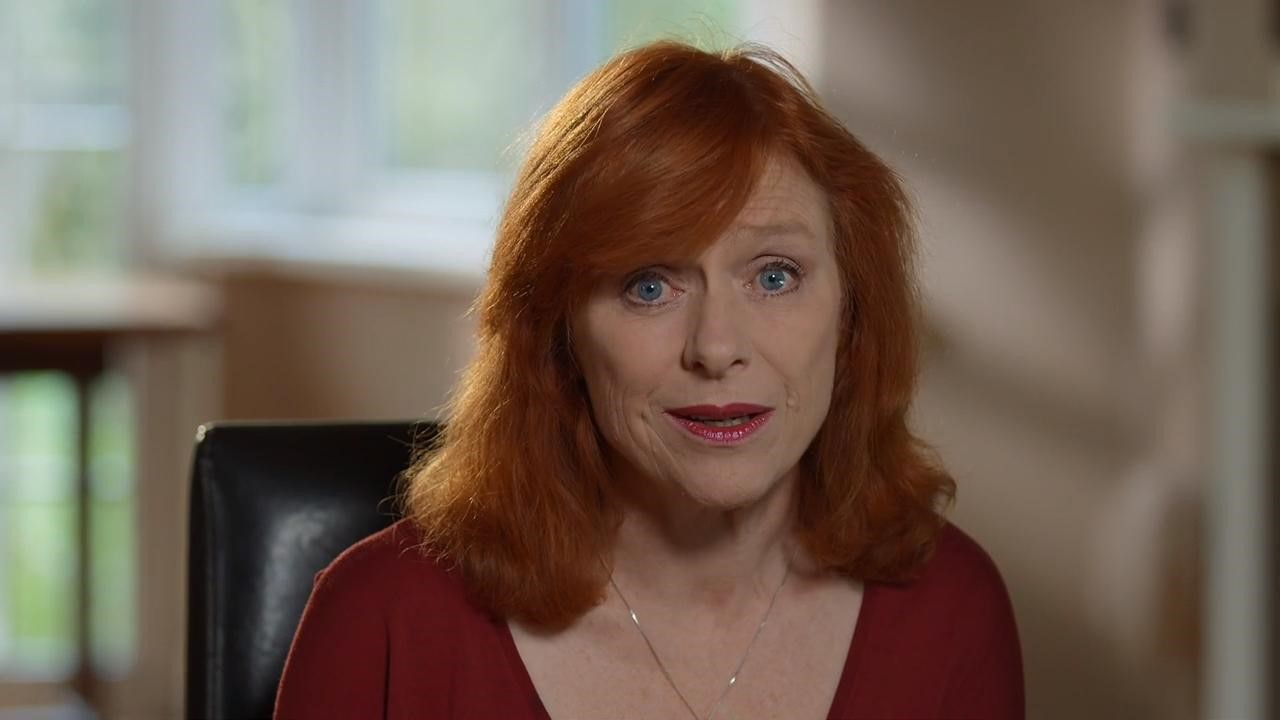
Video: Lo stress può causare un aborto?
Revisione paritaria di Dr Hayley Willacy, FRCGP Autore Dr Sarah JarvisPubblicato originariamente 18 Mar 2018
Rispetta le linee guida editoriali
- ScaricaScarica
- Condividi
- Language
- Discussione
- Versione audio
- Aggiungi alle fonti preferite su Google
A aborto spontaneo is a tough time for all involved, and you're likely to have many questions about the physical and mental experience you're going through. Our experts have put a series of answers together to try and support you.
Supporto per la salute mentale di adulti e bambini
Terapia cognitivo-comportamentale (CBT) e psicoterapia online per adulti e bambini dagli 8 ai 17 anni. I professionisti accreditati di Onebright supportano le persone che affrontano ansia, depressione e altre difficoltà emotive.
Playlist: Miscarriage Q&A
9 video
Can stress cause a miscarriage?
Dr Sarah Jarvis
Can stress cause a miscarriage?
Dott. Sarah Jarvis

Why do miscarriages happen?
Dott. Sarah Jarvis

When is a miscarriage most likely to occur?
Dott. Sarah Jarvis

How far along can a miscarriage happen?
Dott. Sarah Jarvis

How much does a miscarriage hurt?
Dott. Sarah Jarvis

How much do you bleed when you have a miscarriage?
Dott. Sarah Jarvis

Who should you call if you have a miscarriage?
Dott. Sarah Jarvis

How is a miscarriage dealt with?
Dott. Sarah Jarvis

Can a miscarriage be misdiagnosed?
Dott. Sarah Jarvis
Can stress cause a miscarriage?
Dr Sarah Jarvis, Medico di base e Direttore Clinico di Patient.info
I don’t think anybody’s life is without stresses and strains, and there has been lots of concern as to whether or not stress can cause a miscarriage. The problem is, if so, how much stress, how much stress is too much?
What we do know is that in vast majority of cases miscarriage is nothing to do with stress. Its to do with a random problem in the genetic make up of your baby. Which means that sadly, whether stressed or not that embryo would never have survived to become a baby.
Why do miscarriages happen?
Dr Sarah Jarvis, Medico di base e Direttore Clinico di Patient.info
Miscarriages are really common. Probably one in three or one in four women has had a miscarriage at least once, if she has ever been pregnant. By far the most common cause for miscarriages, is a problem with the chromosome in the embryo, that’s a random problem with the genetic makeup either of the egg, or of the sperm or a combination of the two. It is nothing to do with you and it usually doesn’t mean that you are at increased risk of miscarriage in the future.
Sometimes problems with the mother’s body, so a problem with the womb for instance or occasionally problems with her risposta immunitaria or other problems in her system such as a hormone problem can cause miscarriages.
When is a miscarriage most likely to occur?
Dr Sarah Jarvis, Medico di base e Direttore Clinico di Patient.info
A miscarriage can occur anytime from when that first pregnancy test is positive until the baby is capable of sustaining life on his/her own, that’s about 23 weeks of pregnancy. By far the most common time to have a miscarriage is in the first trimester, the first 12 weeks of pregnancy and most common of all in the first 8 weeks or so, from the date of your last period.
Now, some women don’t have any symptoms of miscarriage and the first they know that they have had a miscarriage is that when the bad news is broken to them, when they have their first scan. However the most common time to get symptoms is usually is about 6-8 weeks pregnant.
How far along can a miscarriage happen?
Dr Sarah Jarvis, Medico di base e Direttore Clinico di Patient.info
Miscarriage is the loss of a baby anytime from your first pregnancy test until the time that the baby could live on its own, that’s at about 23 weeks. By far the most common time for miscarriage to happen is in the first 12 weeks of pregnancy, particularly, in the first 8 weeks.
How much does a miscarriage hurt?
Dr Sarah Jarvis, Medico di base e Direttore Clinico di Patient.info
A miscarriage is any loss of a baby between the time of your first pregnancy test and the time that it could live on its own, about 23 weeks of pregnancy. The vast majority of miscarriages are in the first 12 weeks of pregnancy and often in the first 8 weeks.
Some women don’t know they have had a miscarriage until they have routine scan and discover that they have. But one of the most common symptoms of miscarriage is vaginal bleeding along with pain which is often described as like a severe period pain. If however you get severe pain, particularly, if it is one side of your tummy, it is really important to get it checked out because a miscarriage can be mistaken for an gravidanza ectopica, that’s a pregnancy developing outside the womb and that can become a medical emergency.
How much do you bleed when you have a miscarriage?
Dr Sarah Jarvis, Medico di base e Direttore Clinico di Patient.info
The amount of bleeding you get when you have a miscarriage varies enormously. Some women don’t bleed at all, in fact, they don’t know they have had a miscarriage until they have their first ultrasound scan and discover very tragically that they have lost the baby.
But some women do bleed and that can vary from a light period, particularly, if the miscarriage is very early, say in the first couple of weeks after you missed your period to getting really quite a lot of bleeding.
With a complete miscarriage you often get clots and you might pass what we call products, in other words foetal tissue or tissue from the inside of the womb. If you do get vaginal bleeding during pregnancy and particularly if you also get pain, especially, if it is severe or one side, do get yourself checked out
Who should you call if you have a miscarriage?
Dr Sarah Jarvis, Medico di base e Direttore Clinico di Patient.info
There are several different types of miscarriage. One is called the missed miscarriage and you may not know you have that at all, until you have an ecografia and discover that your baby has not survived.
Another is what’s called and incomplete miscarriage which is still ongoing and a third which happens quite often in the very early stages of first two weeks of pregnancy is called the complete miscarriage. With both of these you usually get a vaginal bleeding, quite often with ‘crampy’ abdominal pains and sometimes you might pass quite a lot of blood, including clots and sometimes tissue which is products from your womb.
If you have these, you should always seek medical help. How urgently you should do that, depends upon how much pain you are in. If you get severe pain and particularly if you have pain on one side of your tummy which is severe, you should seek emergency help even from the out of hours service if your GP surgery isn’t open because it could be an ectopic pregnancy, a pregnancy outside the womb, which can be a medical emergency.
How is a miscarriage dealt with?
Dr Sarah Jarvis, Medico di base e Direttore Clinico di Patient.info
How miscarriage is dealt with very much depends on what is found when you have an ultrasound scan. Sometimes you can have what is called the complete miscarriage where everything both the embryo and all the tissues surrounding it has already come out of the womb.
This will often mean that the bleeding has stopped and in this case you will often won’t need any treatment at all. Sometimes you might need medical treatment to help to expel that last tissue that previously surrounded the baby. And in some cases you might need a minor surgical procedure, usually under anestesia generale sometimes under local, to get rid of any tissue that previously surrounded the embryo
Can a miscarriage be misdiagnosed?
Dr Sarah Jarvis, Medico di base e Direttore Clinico di Patient.info
If your doctor thinks you might be having or have had a miscarriage they will refer you for an ultrasound scan. On the ultrasound scan the healthcare professional will be looking to check that there is a sac for the baby inside the womb and that they can see that baby and that it contains a heart beat.
Your baby’s heart beat can usually be seen from about 5½ weeks after your last period. If the miscarriage is very early then the heartbeat may not be visible and your doctor may ask you to come back a week later and see if it is visible. Very occasionally, women are told that they have had a miscarriage only to discover that the baby has survived. But more commonly, the concern about misdiagnosing a miscarriage is that we might think it was a miscarriage, when in fact it was a pregnancy outside the womb, a so called ectopic pregnancy. That’s extremely uncommon, but if you do have bleeding with pain particularly severe pain on one side, you must always seek help.
Scelte del paziente per Sanguinamento in gravidanza

Gravidanza
Quando indagare su un aborto spontaneo
Ognuno vive un aborto spontaneo in modo diverso. Che avvenga all'inizio o alla fine della gravidanza, che sia uno shock o previsto, può essere un'esperienza fisica ed emotiva difficile. Per le coppie che hanno avuto difficoltà a concepire o che hanno già vissuto aborti spontanei in passato, può essere particolarmente doloroso. Ma quando dovrebbe essere indagata la perdita di una gravidanza? E quali test vengono offerti alle donne in questa situazione?
di Dr Anna Cantlay, MRCGP

Gravidanza
Come influisce un aborto spontaneo sui partner?
La perdita di una gravidanza è spesso un argomento difficile di cui parlare, eppure il nostro silenzio lascia molte donne a lottare per trovare supporto o riconoscimento del loro dolore. Anche i partner, però, non vengono riconosciuti nella loro lotta dopo un aborto spontaneo.
di Allie Anderson
Informazioni sull'autoreVisualizza il profilo completo
Autore

Dr Sarah Jarvis
Consulente Clinico
MA (Cantab), BM, BCh (Oxon), DRCOG, FRCGP, MBE
Dopo aver completato la formazione in medicina a Cambridge e Oxford, la Dott.ssa Sarah Jarvis MBE è diventata un medico di base.
Informazioni sul recensoreVisualizza il profilo completo

Dr Hayley Willacy, FRCGP
Medico di base, Autore medico
MBChB (1992), DRCOG, DFFP, MRCOG (Part 1) MRCGP (2007), DFSRH (2013), MSc - medical education (2020)
La Dott.ssa Hayley Willacy era un medico di base del NHS che lavorava nel nord-ovest dell'Inghilterra, e si è ritirata dalla pratica clinica nel 2022 dopo 30 anni.
Storia dell'articolo
Articolo disponibile anche in Inglese, Tedesco, Spagnolo, Francese, Italiano, Portoghese, Hindi, Ebraico, Arabo, and Svedese.
18 Mar 2018 | Pubblicato originariamente
Autore:
Dr Sarah JarvisRevisione paritaria di
Dr Hayley Willacy, FRCGP
Partecipa alla conversazione
Condividi i tuoi pensieri o esperienze con gli altri nel nostro comunità di pazienti.

Chiedi, condividi, connettiti.
Esplora le discussioni, fai domande e condividi esperienze su centinaia di argomenti di salute.

Non ti senti bene?
Valuta i tuoi sintomi online gratuitamente
Iscriviti alla newsletter di Patient
La tua dose settimanale di consigli sulla salute chiari e affidabili - scritti per aiutarti a sentirti informato, sicuro e in controllo.
Abbonandoti accetti i nostri Informativa sulla Privacy. Puoi annullare l'iscrizione in qualsiasi momento. Non vendiamo mai i tuoi dati.