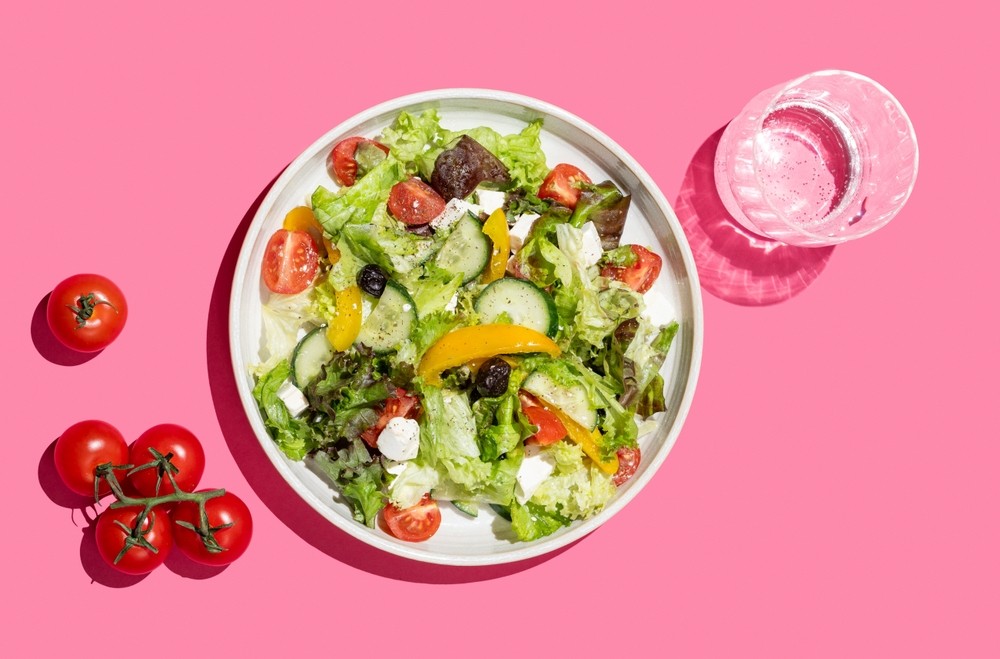
Dieta per calcoli biliari: cibi da mangiare e da evitare
Revisione paritaria di Dr Colin Tidy, MRCGPUltimo aggiornamento di Lynn StephenUltimo aggiornamento 31 Ago 2026
Rispetta le linee guida editoriali
- ScaricaScarica
- Condividi
- Language
- Discussione
- Ask Patient
- Versione audio
- Aggiungi alle fonti preferite su Google
1 in 3 women and 1 in 6 men will develop gallstones at some point. Gallstones are small stones - usually made up of bile - that form in your gallbladder. Here we share the foods that can prevent gallstones, trigger uncomfortable symptoms, or make them better.
Scelte video per Fegato e cistifelleaVideo library
Cosa sono i calcoli biliari?
Gallstones occur when bile - which is normally fluid - forms stones in your gallbladder. This is the organ that sits beneath your liver. Most commonly, gallstones contain lumps of fatty, cholesterol-like material that has solidified and hardened.
You can have just a few small stones or a great many. Occasionally, just one large stone is formed.
Quanto sono comuni i calcoli biliari?
About one in three women and one in six men form gallstones at some stage in their lives. Gallstones become more common as you get older.
The chance of gallstones forming increases with:
Gravidanza.
Fumo.
Perdita di peso rapida.
Avere un parente stretto con calcoli biliari.
Taking certain medicines such as the pillola contraccettiva.
Seguire una dieta generalmente malsana, in particolare una dieta ricca di grassi.
Il ruolo della cistifellea nella digestione
The gallbladder plays a part in the digestion of food. It collects and stores bile, then releases the bile into the small intestine when food enters the small intestine from your stomach. This helps with the digestion of food because your gallbladder contains bile salts and other substances which break down fat.
The bile duct, which connects your gallbladder to your small intestine, can become blocked by gallstones.
This may cause symptoms such as:
Dolore.
Gonfiore.
Feeling and being sick.
The stone may cause a blockage and make it difficult for the bile to be released from your bile duct.
Dieta per i calcoli biliari
Alimenti da mangiare con i calcoli biliari
There is no specific gallstones diet, but eating a healthy balanced diet that's very low in fat can help with symptoms.
Questo include:
Plenty of frutta e verdura - aim to have at least five portions each day.
Plenty of starchy carbohydrates - examples include bread, rice, cereals, pasta, potatoes, chapattis, and plantain. Choose wholegrain varieties where possible.
Alcuni prodotti lattiero-caseari - 2-3 portions per day. Choose very low-fat dairy products.
Some meat, fish, eggs, and alternatives - such as beans and pulses.
Limited amounts of foods high in fats and sugars - limit saturated fat that is found in animal products, such as butter, ghee, cheese, meat, cakes, biscuits, and pastries. Replace these with unsaturated fats found in non-animal products, such as sunflower, rapeseed and olive oil, avocados, nuts, and seeds. But remember that unsaturated fats can also trigger gallstone pain.
Make sure your diet is high in fibra - this can be found in beans, pulses, fruit and vegetables, oats, and wholegrain products, such as bread, pasta, and rice.
Drink plenty of fluid - at least two litres daily, such as water or herbal teas.
Dieta vegetariana per i calcoli biliari
Uno studio1 in the UK found that vegetarians tend to consume more fibre and less fat, and have a lower BMI - all factors which are associated with lower rates of gallstone disease. Therefore, it might be expected that vegetarian diets would have a protective effect for gallstone disease. However, this study has shown there is a small but statistically significant positive association between vegetarian diet and symptomatic gallstone disease.
Una dieta per i calcoli biliari curerà i miei sintomi?
Most people with gallstones will have surgery to remove the gallbladder in an operation called a cholecystectomy. However, eating a dieta a basso contenuto di grassi is likely to reduce symptoms while you are waiting for the operation. This is because fatty foods stimulate the gallbladder to release bile into the small intestine.
Once you have had the operation there is no need to follow any particular diet, although of course it is always a good idea to eat as healthily as possible.
If you are overweight, attaining a healthy weight will be beneficial. However, it is important to do this gradually, as rapid weight loss has been associated with the development of gallstones. A safe weight loss of 1-2 pounds - 0.5 to 1 kilograms - per week is recommended.
Alimenti da evitare con i calcoli biliari
Alimenti ricchi di grassi - try not to eat too much fat at one mealtime. It might be helpful to have smaller, more frequent meals.
Individual food triggers - some people find that specific foods are the triggers for symptoms. Keep a food and symptom diary to identify trigger foods. Avoid these foods for a two-week trial period and note any improvements in symptoms.
Ridurre i grassi
A high-fat diet and fatty foods can sometimes cause discomfort and painful symptoms. They may also cause fatty poos (steatorrhoea), which are oily, pale, and smelly. Steatorrhoea is a sign that fat is not being digested properly.
Here are some ways to cut down on fat in your diet.
Alimenti ricchi di grassi | Alternative a basso contenuto di grassi |
Burro, strutto, ghee, oli, spalmabili. | Spalmabili a basso contenuto di grassi/light, spray di olio per cucinare, marmellata, miele. |
Latte intero, panna, yogurt interi. | Latte scremato, crème fraîche a metà grassi, latte evaporato a basso contenuto di grassi, yogurt a basso contenuto di grassi o senza grassi. |
Full-fat cheese, such as Cheddar, Brie, and Stilton. | Cottage cheese, light soft cheeses such as quark, reduced-fat Cheddar cheese, or naturally lower-fat cheeses such as mozzarella and ricotta (matchbox-sized portion). |
Snacks, such as cakes, biscuits, pastries, crisps, and nuts. | Tortine tostate, popcorn a basso contenuto di grassi, frutta e verdura, frutta secca, meringhe, gallette di riso. |
Puddings, such as pies, ice cream, and custards. | Gelatina, gelatina senza zucchero, crema pasticcera a basso contenuto di grassi, budino di riso fatto con latte scremato, sorbetto, frutta in scatola o cotta, yogurt a basso contenuto di grassi. |
Salse e condimenti, come maionese, salse cremose. | Vinaigrettes, mustard, lemon juice, fat-free salad dressings, tomato-based sauces - some can contain oil, salsa, balsamic dressing. |
Carni e carni lavorate, come salsicce, salame, carne in scatola, pancetta, prosciutto, maiale, agnello, carne macinata di manzo, hamburger di manzo, torte di carne, pesce in scatola in olio. | Pollo, tacchino, prosciutto magro, carne macinata di manzo magra o extra magra, carne macinata di tacchino, carne rossa con grasso visibile rimosso, e pesce bianco, come merluzzo, eglefino, pollock, e pesce in scatola in salamoia o acqua. |
Nota: many processed foods that are low in fat can contain high amounts of sugar. Check the labels for high-sugar products and try to keep these to a minimum. A product that is high in sugar contains more than 10 grams of sugar per 100 grams.
Reduced-fat, light and low-fat are not the same thing. If a product is low-fat, this means that the product contains 3 grams or fewer of fat per 100 grams and is actually low in fat. A reduced-fat product does not mean that the product is necessarily low in fat. It means that the product contains 25% less fat than the original product, which is usually a very high-fat product, such as mayonnaise or Cheddar cheese.
Questo è simile per i prodotti 'light', che contengono circa un terzo di calorie in meno rispetto al prodotto originale, o il 50% di grassi in meno. Pertanto, mantieni questi al minimo quando scegli prodotti a ridotto contenuto di grassi o più leggeri.
Consigli per ridurre il grasso
Adopting some healthy habits can really impact on the amount of fat you consume.
Here are some tips you can use during cooking and food preparation:
Cerca di evitare cibi trasformati e cucina da zero quando possibile. Questo ti aiuterà a controllare quanto grasso entra nel tuo cibo.
Check labels for high-fat products. A product that is high in fat contains 17.5 grams or more of fat per 100 grams. Try to avoid foods with red colour coding on the label for fat. Look for foods that contain less than 3 grams of fat.
Arricchisci i pasti con verdure e legumi. Ad esempio, un sugo alla bolognese potrebbe essere preparato con metà della quantità di carne aggiungendo fagioli rossi e funghi.
Usa uno spray per olio quando cucini, oppure rimuovi l'olio in eccesso con un tovagliolo di carta.
Misura l'olio quando cucini, invece di versarlo. Una buona misura è circa un cucchiaino per persona.
Cerca di usare grassi/oli nel cibo solo quando è assolutamente necessario.
Se stai cucinando carne che si attacca alla padella, una piccola goccia d'acqua può aiutare invece di aggiungere più olio.
Make your own dressings using low-fat yoghurt, lemon/lime juice, and herbs.
Rimuovi tutto il grasso visibile e la pelle dalla carne e scegli tagli di carne più magri.
Rimuovi il grasso dalla superficie di casseruole e stufati.
Try not to fry food. Bake, steam, boil, grill, or roast on a drip tray instead.
How to prevent gallstones
You can also reduce your chance of developing gallstones through what you eat.
Questo include:
Mangiare proteine vegetali - ad esempio, fagioli e legumi.
Aumentare l'assunzione di fibre.
Mangiare noci.
Aumentare il calcio nella dieta.
Aumentare l'assunzione di vitamina C.
Bere caffè.
Bere una quantità moderata di alcol.
Scelte del paziente per Fegato e cistifellea
Dieta e nutrizione
Dieta per il fegato grasso: cibi da mangiare e da evitare
In this article, we will take a closer look at the foods you should include in your diet, as well as the foods to avoid with fatty liver.
di Josh Alderman
Salute digestiva
Potrebbero essere calcoli biliari?
Gallstones are very common: around one in three women and one in six men will get them at some point. However, they don't always cause symptoms - around two in three people who have gallstones don't know they have them. But they are also a common cause of tummy pain. They get more common with age and those who are overweight, smoke, have type 2 diabetes or high cholesterol, take the oral contraceptive pill, or have lost a lot of excess weight in a short amount of time, have an increased risk of gallstones. They can sometimes run in families.
di Dr Sarah Jarvis
Informazioni sull'autoreVisualizza il profilo completo
Aggiornato da

Lynn Stephen
Sviluppatore di contenuti
MA (Hons)
Lynn si è unita a Patient nel 2023 e il suo ruolo include il controllo di tutti i volantini professionali, i foglietti informativi per i pazienti e i foglietti illustrativi dei medicinali, per garantire la coerenza dell'ortografia, della grammatica, del materiale di riferimento e dello stile del marchio, lavorando con gli autori medici e il direttore clinico per coordinare la redazione e la revisione tra pari dei volantini.
Autore

Dr Jan Sambrook, MRCGP
Medico di base, Autore medico
MBChB, MRCGP
Il Dr Jan Sambrook si è laureato presso l'Università di Sheffield nel 1992.
Informazioni sul recensoreVisualizza il profilo completo

Dr Colin Tidy, MRCGP
Medico di base, Autore medico
MBBS, MRCGP, MRCP (Paediatrics), DCH
Il Dr Colin Tidy è un medico del NHS, con sede nell'Oxfordshire.
Storia dell'articolo
Articolo disponibile anche in Inglese, Tedesco, Spagnolo, Francese, Italiano, Portoghese, Hindi, Ebraico, Arabo, and Svedese.
Next review due: 31 Aug 2029
31 Ago 2026 | Ultima versione
11 settembre 2017 | Pubblicato originariamente
Autore:
Dr Jan Sambrook, MRCGP
Condividi i tuoi pensieri o esperienze con gli altri nel nostro comunità di pazienti.
Iscriviti alla newsletter di Patient
La tua dose settimanale di consigli sulla salute chiari e affidabili - scritti per aiutarti a sentirti informato, sicuro e in controllo.
Abbonandoti accetti i nostri Informativa sulla Privacy. Puoi annullare l'iscrizione in qualsiasi momento. Non vendiamo mai i tuoi dati.