
Affrontare il lutto durante la pandemia di coronavirus
Revisione paritaria di Dr Sarah JarvisAutore Abi MillarPubblicato originariamente 11 Jun 2020
Rispetta le linee guida editoriali
- ScaricaScarica
- Condividi
- Language
- Discussione
- Versione audio
- Aggiungi alle fonti preferite su Google
If you have lost a loved one during the coronavirus pandemic, the restrictions around funerals and social contact may make the situation especially difficult. Here are some practical ways to take care of yourself, or help a grieving family member or friend.
Usa del paziente strumento di controllo del coronavirus se hai sintomi di febbre, una nuova tosse o perdita dell'olfatto o del gusto. Fino a quando non avrai utilizzato lo strumento e ricevuto indicazioni su quale azione intraprendere, ti preghiamo di restare a casa ed evitare contatti con altre persone.
Dealing with a bereavement is one of the most challenging things any of us will ever go through. And during lockdown, it has potential to be even more gruelling than it would be under normal circumstances.
Whether your loved one died of coronavirus itself, or from a different cause, the rules around funerals and social distancing might seem like an additional twist of the knife. If you can't meet with friends and family members, or hold a 'proper' funeral, you may feel cheated out of the normal grieving process.
"At a time when our world has been flipped upside down by the death of a loved one, the whole world has changed and there is no longer any normality on a personal or global level," says Lucy Nicholas, a bereavement counsellor at Sue Ryder. "For the recently bereaved, the inability to have physical contact with people can be so very difficult. Having to stand two metres away from a loved one who is sharing your grief can feel particularly cruel and difficult to bear."
She adds that, in times of personal crisis, having our usual routines in place can anchor us - another thing the pandemic has problematised. And if you were unable to see your loved one before they died, the sense of unreality that often accompanies death can feel even more pronounced.
The disruptions to normal grieving
Lianna Champ, a funeral director and grief counsellor, is the author of the practical guide How to Grieve Like A Champ. She says the present restrictions around funerals have been heartbreaking for all concerned.
"We are denied the physical support, human closeness and instinctive reaching out to touch one another that soothes us in our darkest hours," she says. "I can see people struggling with overwhelming emotion, and they don't know what to do. No one can approach them, support them or just give them a hug. It just pushes our grief further down inside and turns it into this huge ball with nowhere to go."
While grief is not a medical condition - it's a natural reaction to trauma or loss - being forced to face your feelings in isolation can cause sadness to deepen, and ansia oppure depressione to take root. You may also find yourself contending with a sense of guilt (however misplaced) for having been unable to protect your loved one.
"It can become so hard to separate the fact of the death from the actual circumstances in which it occurred under coronavirus lockdown," says Lianna Champ. "The edges become blurred and grief becomes enmeshed with the trauma of the situation. The challenge becomes twofold - you have to cope with the distress of the death taking place alone with no loved ones present and also with how the pandemic has changed our grieving process."
The power of connection and compassion
Dr Meg Arroll, a psychologist, lost her father to suspected coronavirus in the early days of the pandemic, prior to lockdown. She was in the USA at the time, visiting her mother who was having surgery.
"He was an older man who had some underlying health problems, but it definitely was out the blue," she says. "Every grieving process is completely individual, but a sudden death can feel particularly traumatic. By the time we had the funeral arranged the lockdown happened, so I stayed in the States to be with my Mum and we had the funeral via webcam."
While this was an extraordinarily difficult situation, she did feel very connected to others (albeit virtually). And it helped to know there were others out there who were going through the same thing. She experienced an outpouring of compassion and kindness from those around her, which she found to be incredibly healing.
Since then, she has been doing her best to keep to a routine, and ensure she's eating and a dormire enough. She has also been focusing on esercizi di consapevolezza and relaxation strategies, along with techniques like emotional writing that allow her feelings to bubble to the surface.
"When I got back to the UK I found a load of old photos that I didn't know existed, and being able to look through those and connect with my Dad on that level was incredibly cathartic," she says. "I've been having a lot of powerful sogni too - there's research to support the idea that that can be a way to process trauma."
Her advice to others in the same position would be to treat yourself with compassion, and listen to what your body and mind are telling you.
"If someone has lost a loved one from COVID-19, it's difficult because it's always on the news," she says. "I'd say take a break from the notizie and social media and give yourself some more quiet, reflective time."
Strategies for self-care
Felicity Ward, an online bereavement counsellor at Sue Ryder, suggests a range of different strategies for helping yourself through these difficult days.
"Create a list of 'basic needs' and tick them off as you go - or have reminders set to pop up on your phone," she says. "This list could include things like drinking a glass of acqua, taking medication, brushing your teeth and hair, having a shower and having something to eat."
Depending on how you're feeling, you could try various different activities such as something:
Creative (like creating a collage or memory box).
Practical (like gardening or baking).
Active (like YouTube dance classes or other esercizi).
Fun (like board games).
Sociable (like a virtual dinner with loved ones).
Relaxing (like a bath).
Educational (like watching a Ted Talk on grief).
Therapeutic (like journaling).
Lianna Champ adds that when you allow yourself the freedom to express your grief - be that through words, music, meditazione, art, or any other outlet - that is where healing begins.
"The ability to experience and to share our emotions is all part of being human," she says. "If you find it hard to reach out, choose one person to be your listening buddy, someone you feel safe sharing your honest emotions with and who will just listen without offering an opinion."
This is also a good time to take advantage of the specialist online support services that are available. Sue Ryder offers a range of free online bereavement servizi di supporto, including a free Online Bereavement Counselling Service delivered through trained bereavement counsellors. There are also a number of other bereavement charities you could turn to, including Cruse, The Good Grief Trust e The Bereavement Trust. And of course, you could access support via your GP.
If you'd prefer to access private counselling, you can even book counselling online through services like Patient Access.
How to support a grieving friend or family member
If you're on the other side of this, and it's your friend or family member who has been bereaved, you may feel frustrated that you can't be there with them in person. However, now's the time to be as supportive as you can be within the constraints of physical distancing.
"Reach out with texts, and phone calls; surprise them with some shopping," says Lianna Champ. "No one should be alone with their grief, especially at this time. Offer yourself as a listening buddy and become a good one!"
Felicity Ward adds that, while you can't make your friend feel better, you can support them while they adjust and work their way through this painful experience.
"Don't tell them it will all be OK - it isn't, and it may not be for some time," she says. "Follow your friend or family member's lead - sometimes they may want to talk, other times they may not. Make them laugh - talk about mundane, 'normal', everyday things. And send a care package of their favourite things."
It's a situation for which no platitude will suffice. But if you're in this situation, know that you are never alone and that there is support out there waiting for you.
Scelte del paziente per articoli sulla pandemia
COVID-19
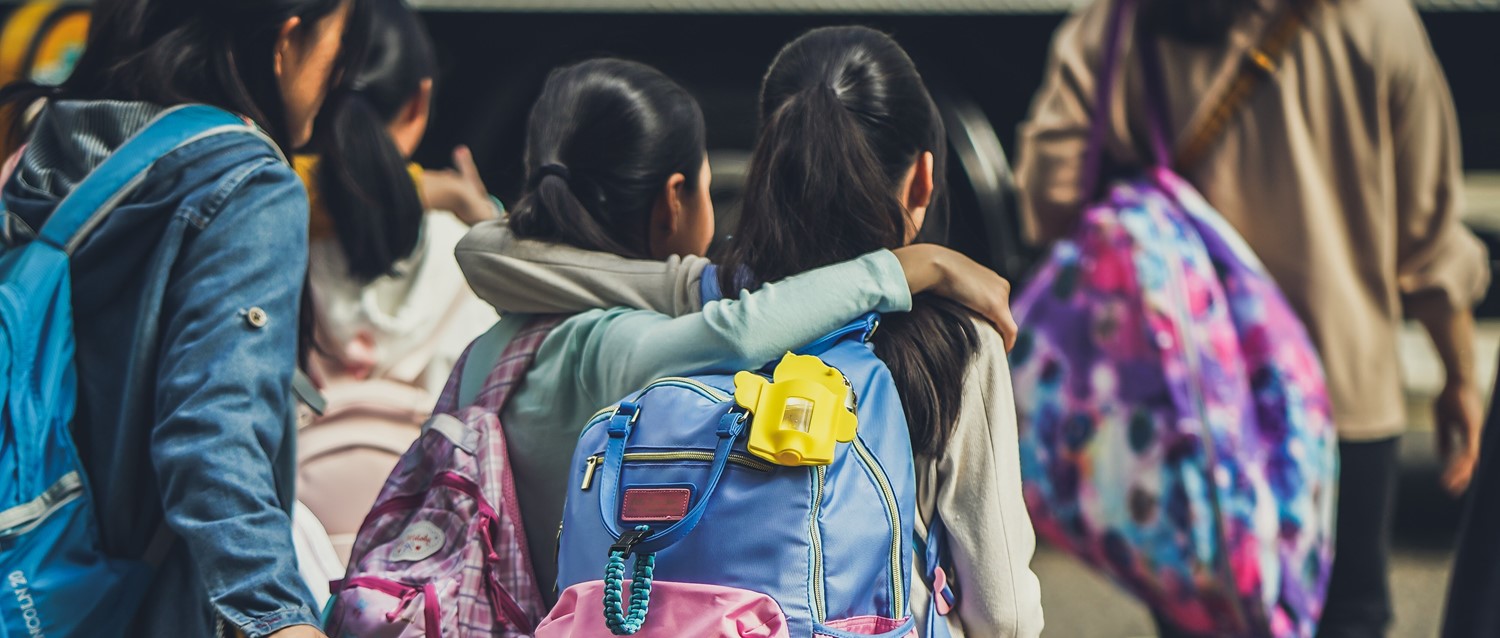
COVID-19: è sicuro mandare i tuoi figli a scuola?
Il governo del Regno Unito ha abbandonato il suo piano di far tornare tutti i bambini nelle scuole primarie in Inghilterra prima delle vacanze estive. Ma man mano che più genitori tornano al lavoro nelle prossime settimane con l'apertura di alcuni negozi e attività, si trovano di fronte a una decisione difficile: è sicuro per i bambini tornare a scuola? Esaminiamo la scienza dietro i titoli.
di Gillian Harvey
COVID-19
Coronavirus COVID-19: quando avremo un vaccino?
Gli esperti medici di tutto il mondo stanno lavorando senza sosta per sviluppare un vaccino contro il COVID-19 mentre continua a diffondersi in tutto il mondo. Ma come vengono prodotti i vaccini e quando è probabile che ne avremo uno per il coronavirus?
di Andrea Downey
Informazioni sull'autoreVisualizza il profilo completo
Autore

Abi Millar
Freelance Journalist
BA (Hons), MA
Abi è una giornalista freelance con un interesse particolare per la scrittura sulla salute e la medicina.
Informazioni sul recensoreVisualizza il profilo completo

Dr Sarah Jarvis
Consulente Clinico
MA (Cantab), BM, BCh (Oxon), DRCOG, FRCGP, MBE
Dopo aver completato la formazione in medicina a Cambridge e Oxford, la Dott.ssa Sarah Jarvis MBE è diventata un medico di base.
Storia dell'articolo
Articolo disponibile anche in Inglese, Tedesco, Spagnolo, Francese, Italiano, Portoghese, Hindi, Ebraico, Arabo, and Svedese.
11 Jun 2020 | Pubblicato originariamente
Autore:
Abi MillarRevisione paritaria di
Dr Sarah Jarvis
Partecipa alla conversazione
Condividi i tuoi pensieri o esperienze con gli altri nel nostro comunità di pazienti.

Chiedi, condividi, connettiti.
Esplora le discussioni, fai domande e condividi esperienze su centinaia di argomenti di salute.

Non ti senti bene?
Valuta i tuoi sintomi online gratuitamente
Iscriviti alla newsletter di Patient
La tua dose settimanale di consigli sulla salute chiari e affidabili - scritti per aiutarti a sentirti informato, sicuro e in controllo.
Abbonandoti accetti i nostri Informativa sulla Privacy. Puoi annullare l'iscrizione in qualsiasi momento. Non vendiamo mai i tuoi dati.