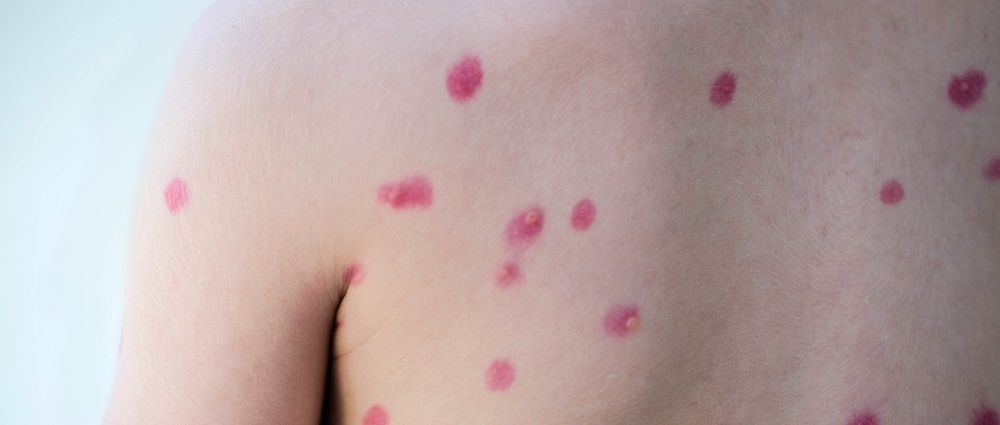
Il tuo bambino dovrebbe ricevere il vaccino contro la varicella?
Revisione paritaria di Dr Krishna Vakharia, MRCGPAutore Lydia SmithPubblicato originariamente 8 giu 2023
Rispetta le linee guida editoriali
- ScaricaScarica
- Condividi
- Language
- Discussione
- Versione audio
- Aggiungi alle fonti preferite su Google
Many of us will remember having chickenpox as a child. The itchy red spots were almost impossible to stop scratching, but doing so could lead to scarring. In an attempt to soothe the itch, parents would douse us in calamine lotion and oatmeal baths. But now, instead of catching the virus to provide immunity, there’s another route parents can choose - the chickenpox vaccine.
Varicella is an illness caused by the varicella zoster virus. The symptoms include an itchy, spotty rash that turns into blisters, as well as a febbre alta, aches and pains, stanchezza, a loss of appetite and generally feeling unwell.
Varicella is common and mostly affects children, but you can get it at any age. It usually gets better by itself after one to two weeks without needing to see a GP. In adults, the symptoms tend to be more severe and can cause serious complications such as polmonite1.
Catching chickenpox in childhood used to be the only way to get immunity to prevent getting the virus in adulthood. In order to 'catch' the virus and gain immunity, some parents would throw chickenpox parties. Since it was developed in Japan in the 1970s, however, the vaccine has become increasingly popular2. In the UK, the varicella jab isn’t part of the childhood vaccination programme on the NHS. However, you can pay for it privately.
What are the pros of getting the chickenpox vaccine?
Reduces chance of catching chickenpox and prevents serious illness
One of the key benefits of the vaccine is that it significantly reduces the likelihood of catching chickenpox, as the symptoms can be very unpleasant. The itchy spots can be very irritating and affect sleep and generally make a child feel very unwell. However, most children who catch the virus don’t become seriously unwell and get better after one or two weeks.
However, a very small number of children - even those who were previously healthy with no underlying medical conditions - can experience severe complications. These can include encefalite - a swelling of the brain - polmonite and other serious infections3.
The vaccine prevents varicella in 85% of immunised children, but provides 97% protection against severe disease4. Therefore, if an immunised child does catch the virus, they are far less likely to have serious complications.
Protects vulnerable people
Il chickenpox vaccination is recommended for adults and children in regular or close contact with someone who has a weakened immune system or is at risk of serious illness if they catch chickenpox.
Vaccination also protects people at risk of catching chickenpox through close contact. The types of people who can have a varicella vaccination on the NHS include non-immune healthcare workers and close relatives and carers - who have not previously had chickenpox - of people who are unwell.
Helpful for working parents
Additionally, preventing a child from catching varicella can be an easier route for working and busy parents. A child with the virus will need to stay off nursery or school until their scabs have healed over, which can take up to a week. This can mean parents have to take time off work.
Trimming transmission
If a child catches chickenpox after having the vaccinazione - known as a breakthrough infection - it isn’t as contagious as the natural infection. Therefore, getting your child vaccinated can mean that other children may be less likely to get infected.
What are the cons of getting the chickenpox vaccine?
Not available on NHS
Unfortunately, the vaccine isn’t available on the NHS for the majority of children and adults. Jabs are given only to adults and children who are in close contact with someone who is either immuno-suppressed or would otherwise be at risk if they got varicella. So if you do want to get your child vaccinated, you’ll have to pay for the vaccine. It comes in two doses and costs around £150 for the whole course.
Who shouldn't have the chickenpox jab?
People who should not have the chickenpox vaccine include:
Anyone with a sistema immunitario indebolito.
Anyone who has had a serious reazione allergica to a previous dose of the vaccine or to any of the ingredients in the vaccine.
Pregnant women - if you have the varicella vaccine, try to avoid becoming pregnant within one month of the last dose.
Anyone who is seriously unwell should delay having the vaccination until they recover.
Ulteriori letture
Papaloukas et al: Successes and challenges in varicella vaccine.
Cameron et al: Severe complications of chickenpox in hospitalised children in the UK and Ireland.
Scelte del paziente per Vaccinazioni

Salute dei bambini
Genitori invitati a vaccinare i bambini mentre il Regno Unito perde lo status di paese libero dal morbillo
The UK has lost its World Health Organization measles-free status and the public are being urged to vaccinate their children against the life-threatening disease.
di Milly Evans

Salute dei bambini
Il morbillo è tornato: perché i vaccini sono importanti
I vaccini sono stati al centro dell'attenzione negli ultimi anni, soprattutto dopo la pandemia di COVID-19. Mentre i vaccini contro il coronavirus hanno dominato la conversazione, la consapevolezza di altri, come il vaccino MPR, che protegge contro morbillo, parotite e rosolia, è silenziosamente diminuita.
di Victoria Raw
Informazioni sull'autoreVisualizza il profilo completo

Lydia Smith
Scrittore di articoli
BA, MA, MSc
Lydia Smith è una giornalista pluripremiata e scrittrice di articoli che ha scritto ampiamente sulla salute delle donne e sulla salute mentale. Attualmente sta studiando per un MSc in psicologia.
Informazioni sul recensoreVisualizza il profilo completo

Dr Krishna Vakharia, MRCGP
Direttore Sanitario per la Salute, Optum UK
MBChB, MRCGP(2013), BMedSci (hons), DFSRH, DRCOG, PGDipDerm (Distn)
La Dott.ssa Krishna Vakharia è un medico di base del NHS. È anche un'esaminatrice regolare per il Diploma post-laurea in Dermatologia Pratica presso l'Università di Cardiff, oltre ad essere il Direttore Medico per la salute presso Optum UK.
Storia dell'articolo
Le informazioni su questa pagina sono revisionate da clinici qualificati.
Articolo disponibile anche in Inglese, Tedesco, Spagnolo, Francese, Italiano, Portoghese, Hindi, Ebraico, Arabo, and Svedese.
8 giu 2023 | Pubblicato originariamente
Autore:
Lydia SmithRevisione paritaria di
Dr Krishna Vakharia, MRCGP

Chiedi, condividi, connettiti.
Esplora le discussioni, fai domande e condividi esperienze su centinaia di argomenti di salute.

Non ti senti bene?
Valuta i tuoi sintomi online gratuitamente
Iscriviti alla newsletter di Patient
La tua dose settimanale di consigli sulla salute chiari e affidabili - scritti per aiutarti a sentirti informato, sicuro e in controllo.
Abbonandoti accetti i nostri Informativa sulla Privacy. Puoi annullare l'iscrizione in qualsiasi momento. Non vendiamo mai i tuoi dati.
Di più sulla salute dei bambini
- La consulenza può aiutarti a decidere quando o se avere figli?
- Il allattamento al seno previene la depressione postnatale?
- Assumere paracetamolo durante la gravidanza può causare problemi comportamentali nei bambini?
- Primo ciclo - supportare tuo figlio quando inizia a mestruare
- Come evitare i pidocchi al ritorno a scuola
- Come spazzolare e prendersi cura dei denti di tuo figlio
- Come aiutare il tuo bambino a dormire in sicurezza con il caldo
- Come mantenere i bambini attivi durante l'estate
- Come proteggere i denti di tuo figlio
- NuovoHow to spot ADHD signs in your child this summer
- Come impedire che tuo figlio prenda un verruca
- Tuo figlio sta mangiando troppi zuccheri?
- Offrire il vaccino HPV ai ragazzi aiuterà a prevenire oltre 100.000 tumori
- Devono essere sottoposti a screening tutti i bambini per i problemi di salute mentale?
- Dovrebbero tutti i bambini ricevere il vaccino antinfluenzale?
- Quali sono i benefici dei probiotici per bambini?
- Che cos'è un disturbo genetico?
- Cosa fare se il tuo adolescente ha un problema di droga
- Qual è il miglior trattamento per la febbre da fieno nei bambini?
- Perché troppo zucchero fa male ai bambini