
Women with physical disabilities denied access to smear tests
Peer reviewed by Natalie HealeyAuthored by Milly EvansOriginally published 8 Aug 2019
Meets Patient’s editorial guidelines
- DownloadDownload
- Share
- Language
- Discussion
- Audio Version
- Add to preferred sources on Google
Two thirds of women who have a physical disability have been unable to attend a cervical screening.
New research, by cervical cancer charity Jo’s Cervical Cancer Trust, has found that women with physical disabilities are facing barriers to accessing life-saving cervical screening.
Their survey of 335 women living with physical disabilities found that 63% had been unable to attend a screening due to their disability and half did not attend due to a previous bad experience or fears about how health professionals might react.
The respondents had a wide range of physical disabilities and conditions including spinal muscular atrophy, Ehlers-Danlos syndrome, paraplegia, myalgic encephalomyelitis and cerebral palsy.
Barriers to screening
Cervical screening is a routine procedure offered to anyone with a cervix from the age of 25. It is used to detect early abnormalities which could develop into cervical cancer if left untreated. The screening programme is estimated to save more than 4,000 lives every year. In the UK there are 13.9 million people with a disability, 56% of whom are women.
88% of those surveyed feel that it is harder for women with a disability to attend a cervical screening. Physical barriers included not even being able to get into the surgery as only 63% said their GP surgery provides wheelchair access and others said that there was no disabled parking available. Many women with physical disabilities are unable to get on to the examination table - only 1% said that their GP surgery provides a hoist whilst 23% said that they need one to get on to the examination bed.
Fi, 30, has never had a cervical screening as, despite her GP being aware that she has muscular dystrophy and access issues due to her disability, a hoist was not made available as it would "take too long and there would be too much paperwork". She was even told that she could be taking a hoist away from someone who needed it more.
"After protesting, my GP said that cervical cancer is a rare cancer and he could take me off the list for routine cervical screening. I was shocked. This has made me wonder if women without a disability would be told they could be taken off the register simply because it was too difficult to arrange screening for them," she said. "I feel so angry and let down and it makes me wonder how many other women have been in a similar situation. It's as if women with disabilities in modern-day Britain simply don't matter."
More than half (55%) of the respondents said that having a home visit would make having a cervical screening easier. 22% said that they were unable to leave their house because of their disability but their doctor did not offer home visits. 40% said that longer or double appointments would improve the experience as they would feel less pressured for time and would be able to explain their condition and how to make the process easier.
"My needs were forgotten"
Having previously had regular home visit cervical screenings, Kerry was then unable to have one for ten years, despite having previously found abnormal cervical cells, as the rooms at her new GP practice would not fit her wheelchair and home visits were not made available. It eventually resulted in her needing to have a range of tests, including a biopsy, done in hospital, as it had been so long between visits that doctors feared that the cells may have developed into something more serious.
"I was placed in a high-dependency ward as the general anaesthetic could have negative effects on me due to my muscular dystrophy. Thankfully, my results came back clear and I'm now recovering from this operation. Although I'm relieved that I've finally managed to access this test, I'm frustrated that I wasn’t given the option to have this done ten years ago and that the urgency of my situation was overlooked because they refused to offer me a home visit or make alternative arrangements for me. I felt like my needs had been forgotten and that I simply fell under the radar."
In some cases, women are being told that it is too difficult to arrange screening for them and are asked to sign a waiver stating that they do not want to be screened. In the words of one respondent: "I am unable to leave my bed. I have been denied cervical screening since 1994. I have been repeatedly asked to sign a waiver saying that I do not wish to receive cervical screening. I have not signed a waiver because I would like to receive cervical screening."
Stigma around disability is also impacting women’s access to cervical screening. As 99.7% of cases of cervical cancer are caused by the HPV virus, which is passed on through sex and contracted by 80% of sexually active adults at some point, some women find themselves caught up in the misconception that people with disabilities do not have sex. 20% of respondents said that it had been assumed that they are not sexually active because of their physical disability, and therefore not at risk of HPV. One woman was told by her doctor that it was "obvious in your physical condition you are not sexually active".
The report highlights a massive gap in knowledge and understanding towards people who have disabilities. 38% of respondents said that the healthcare professional doesn’t understand their needs or take them seriously and 76% agreed that having a doctor or nurse who understands their disability would make cervical screening easier for them. This can be a particular issue when the lack of understanding results in pain for the patient, as for one respondent: "My disabilities are all invisible. My GP and the nurses are brilliant but as they can't see what's wrong with me, they struggle to understand how much pain I experience. I suffer from allodynia, so even a gentle touch can feel disproportionately painful."
What should be done?
As a result of the report, Jo's Trust created a list of recommendations to those in the health service in order to improve the care received by disabled women trying to access cervical screening. They call for national support to address cervical screening inequity and regulation of access by the Care Quality Commission. They would like to see a review of policy and training in each GP practice and changes to be made to improve the experiences of women with disabilities. Further research into the most effective way of providing cervical screening to women with disabilities is necessary, as is the idea of at-home self-sampling, they say.
"I am shocked by the inequality that exists in accessing cervical screening across the UK. It is not acceptable that women with a physical disability are often faced with additional hurdles or even being denied access to this potentially lifesaving test. It is worrying to see the level of stigma that exists regarding sex and disability and this must change," said Robert Music, chief executive of Jo's Cervical Cancer Trust. "There is a duty on service providers to make reasonable adjustments so that people with disabilities are not disadvantaged compared to people without disabilities, yet the charity has found women with physical disabilities are sometimes being prevented from accessing basic healthcare."
The findings were published in a report on the Jo's Cervical Cancer Trust website.
Patient picks for Gynaecological cancer
Cancer
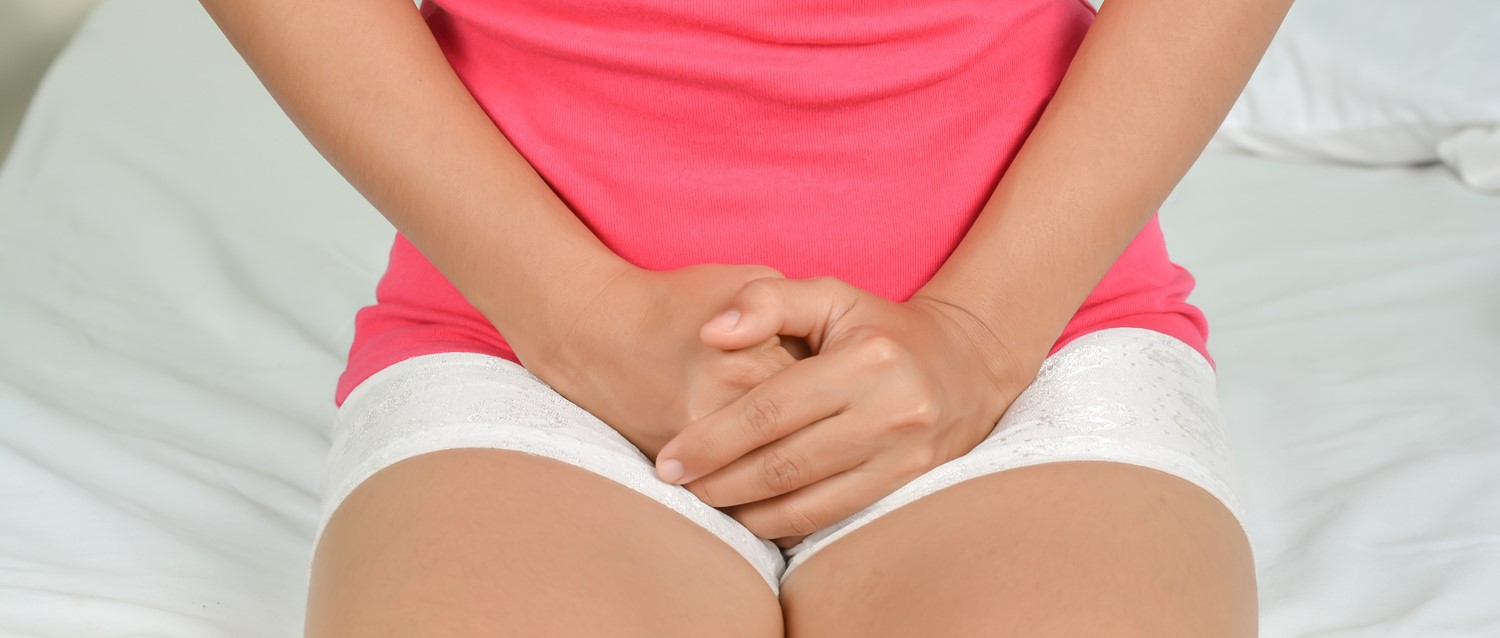
What are the common myths and facts about cervical screening?
Cervical screening is an essential way to reduce the risk of cervical cancer, but research shows many women and people with cervixes are delaying or not attending their screenings. Feeling embarrassed is a common obstacle, as is misinformation about what smear tests involve. So what are the common myths surrounding cervical screening - and what are the facts?
by Lydia Smith
Cancer
Ovarian cancer symptoms diary
The ovarian cancer symptoms diary has been produced by Target Ovarian Cancer. This is a national ovarian cancer charity. It works to save lives and help women diagnosed with the condition live their lives to the full.
by Patient clinician team
About the authorView full bio
Authored by

Milly Evans
Editor
Milly writes on a range of health topics, with a particular interest in health inequality and sexual health.
About the reviewerView full bio

Natalie Healey
Freelance journalist
BSc (Hons) Biomedical Science
She is a London-based health journalist who has been writing about science and medicine for several years. She is the former head of editorial at Patient.
Article history
Article also available in English, German, Spanish, French, Italian, Portuguese, Hindi, Hebrew, Arabic, and Swedish.
8 Aug 2019 | Originally published
Authored by:
Milly EvansPeer reviewed by
Natalie Healey
Join the conversation
Share your thoughts or experiences with others in our patient communities.

Ask, share, connect.
Browse discussions, ask questions, and share experiences across hundreds of health topics.

Feeling unwell?
Assess your symptoms online for free
Sign up to the Patient newsletter
Your weekly dose of clear, trustworthy health advice - written to help you feel informed, confident and in control.
By subscribing you accept our Privacy Policy. You can unsubscribe at any time. We never sell your data.