Come riconoscere i segnali di un dente morto
Revisione paritaria di Dr Krishna Vakharia, MRCGPAuthored by Amberley DavisPubblicato originariamente 24 Nov 2022
Rispetta le linee guida editoriali
- ScaricaScarica
- Condividi
- Language
- Discussione
- Versione audio
Un dente morto può fare più che rovinare il tuo sorriso: può essere una fonte di dolore, disagio e imbarazzo che interrompe la tua vita quotidiana. Come puoi capire se hai un dente in necrosi o morto e quali sono le opzioni di trattamento?
In questo articolo:
Video picks for Cura dentale
Continua a leggere sotto
What is a dead tooth?
A dead tooth, also called a non-vital tooth or pulpless tooth, is a tooth that's no longer receiving a fresh supply of blood. Cosmetic dentist Dr Sam Jethwa explains how a tooth can die:
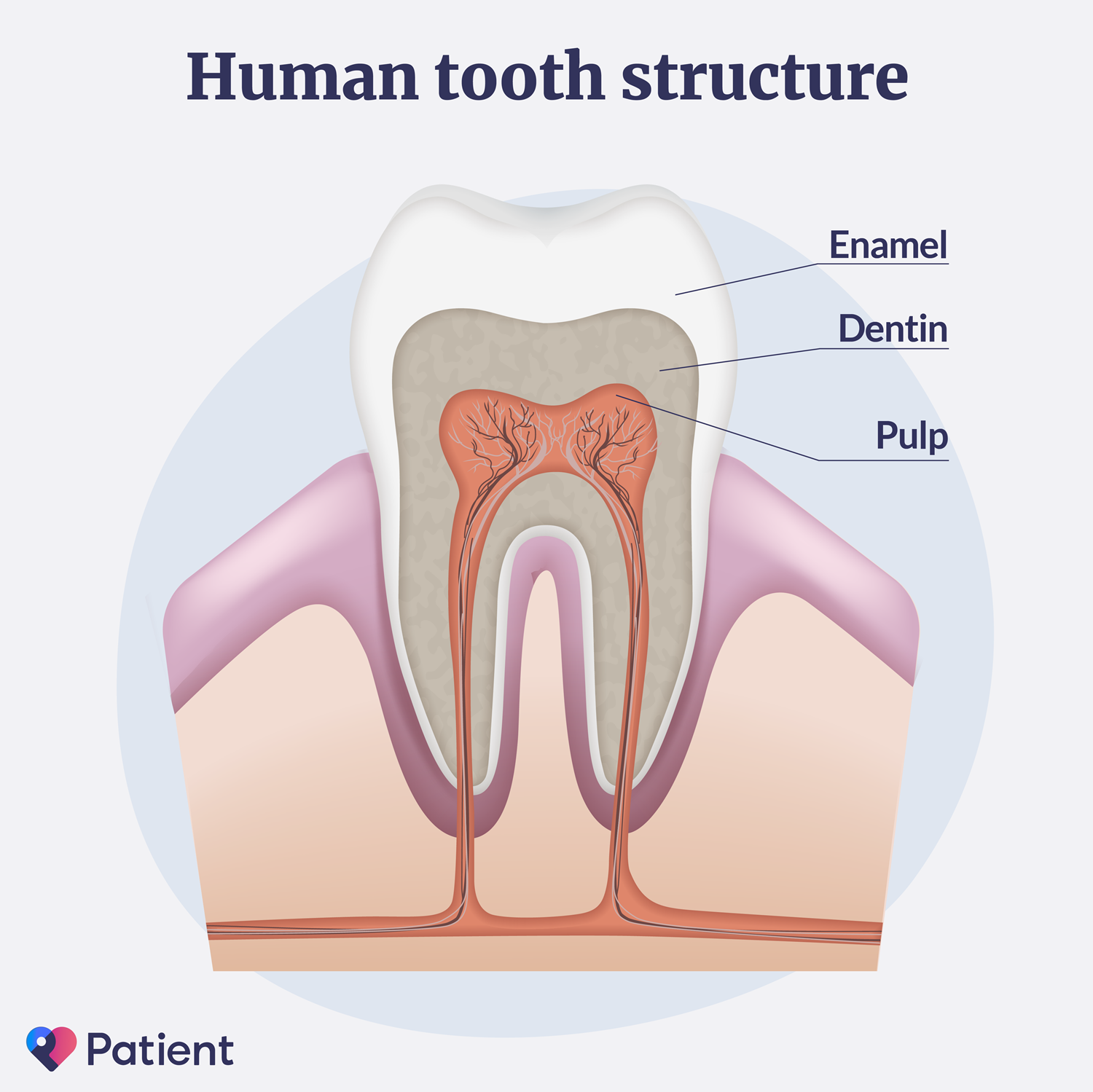
"Our teeth are made up of three layers; the enamel on the outside, the dentin on the inside, and in the middle the pulp. The pulp, a rich source of nerves and blood vessels, keeps a tooth alive and healthy. When these blood vessels and nerves die, then the tooth dies as well."
The three layers
What causes a dead tooth?
Torna ai contenutiAccording to Dr Jethwa, there are three reasons that can cause these vessels and nerves to die; physical trauma and damage - usually from an injury or sometimes even the process of having a filling - or from carie dentale.
Tooth decay tends to be the result of poor dental hygiene or a diet that's high in sugar. This prevents bacteria from building up, infecting the pulp, and cutting off its blood flow.
Continua a leggere sotto
What does a dead tooth look like?
Torna ai contenutiYou can often identify a dying or dead tooth by the way it looks. This is because the tooth becomes discoloured, turning grey or black in appearance. This discolouration will continue to grow more obvious as the tooth continues to decay and the nerve dies.
Other dead tooth symptoms
Torna ai contenutiOther signs of a dead tooth include:
Mal di denti - this can be constant or happen at certain times, such as when the tooth comes into contact with hot or cold things.
Tooth sensitivity or a loss of sensation.
Swelling around the gum.
An abscess - a swollen, pus-filled bump.
Alito cattivo - sometimes a little bad breath is normal, especially morning breath, but it can be a sign of a dental problem.
Continua a leggere sotto
How to treat a dead tooth
Torna ai contenuti"It is possible to save a tooth that is dying, but time is of the essence," says Dr Jethwa. "For the tooth to be saved, you need an early diagnosis."
Can a dead tooth be saved?
This means you should visit a dental professional as soon as you notice the signs of a dead tooth. According to Dr Jethwa, your dentist may have materials that can be placed inside the tooth to regenerate the tooth tissue around the nerve and avoid root canal treatment.
He also explains the other treatment options:
A trattamento canalare is a procedure that drills into a tooth to remove the dead pulp and replace it with a man-made substance. It's then sealed to prevent further infection.
The third treatment option is extraction - the total removal of the dead tooth if it's too damaged to repair. It's your choice if you then want to fill in this gap with an implant, denture, or bridge.
The cost is one consideration - NHS dentists have fixed priced treatment plans but costs at private dentists can vary depending on the pratice, and the type and size of the replacement. The Oral Health Foundation recommends getting a written estimate and treatment plan before starting any dental treatment, to avoid any financial surprises1.
Possible reasons for replacing your extracted dead tooth:
Aesthetics - you may not like how having a gap looks.
More strain - a missing tooth could place more strain on the remaining teeth.
Your bite - over time, your teeth may lean into the gap, changing the way your upper and lower teeth bite together. This could then lead to a build-up of food particles in the gap, increasing the risk of malattia gengivale e carie dentale1.
Can you whiten a dead tooth?
"If the damage has already affected the tooth enamel and caused discolouration and brittleness, then an ultra-thin veneer could be an ideal way to hide the discoloration and protect the tooth from further damage," says Dr Jethwa.
However, this depends on how early the problem is identified. Your dentist will advise on the dental care options available to you, both in terms of your dental health and wellbeing, and also your cosmetic options.
Ulteriori letture
Torna ai contenutiPatient picks for Cura dentale

Cura orale e dentale
Cos'è un sorriso da prosecco? consigli per proteggere i tuoi denti questo Natale
Un bicchiere di prosecco frizzante può aggiungere brillantezza alle tue celebrazioni, ma non sempre fa lo stesso per i tuoi denti. Mentre sorseggiare questo preferito delle feste porta un tocco di glamour alle feste di Natale, può avere un effetto meno che scintillante sul tuo sorriso.
di Victoria Raw
Cura orale e dentale
Cosa dicono i tuoi denti sulla tua salute
La maggior parte di noi conosce l'importanza di prendersi cura dei propri denti. Lavarsi i denti due volte al giorno, usare il filo interdentale e mantenere una buona igiene dentale possono aiutare a mantenere il nostro sorriso fresco, con poca necessità di costosi interventi dentistici. Ma sapevi che i problemi dentali possono anche indicare problemi nel resto del corpo?
di Lynn Stephen
Continua a leggere sotto
Storia dell'articolo
Le informazioni su questa pagina sono revisionate da clinici qualificati.
24 Nov 2022 | Pubblicato originariamente
Autore:
Amberley DavisRevisione paritaria di
Dr Krishna Vakharia, MRCGP

Chiedi, condividi, connettiti.
Esplora le discussioni, fai domande e condividi esperienze su centinaia di argomenti di salute.

Non ti senti bene?
Valuta i tuoi sintomi online gratuitamente
Iscriviti alla newsletter di Patient
La tua dose settimanale di consigli sulla salute chiari e affidabili - scritti per aiutarti a sentirti informato, sicuro e in controllo.
By subscribing you accept our Informativa sulla Privacy. Puoi annullare l'iscrizione in qualsiasi momento. Non vendiamo mai i tuoi dati.