
Are you too reliant on painkillers?
Peer reviewed by Dr Krishna Vakharia, MRCGPAuthored by Dr Sarah JarvisOriginally published 30 Jan 2023
Meets Patient’s editorial guidelines
- DownloadDownload
- Share
- Language
- Discussion
- Audio Version
- Add to preferred sources on Google
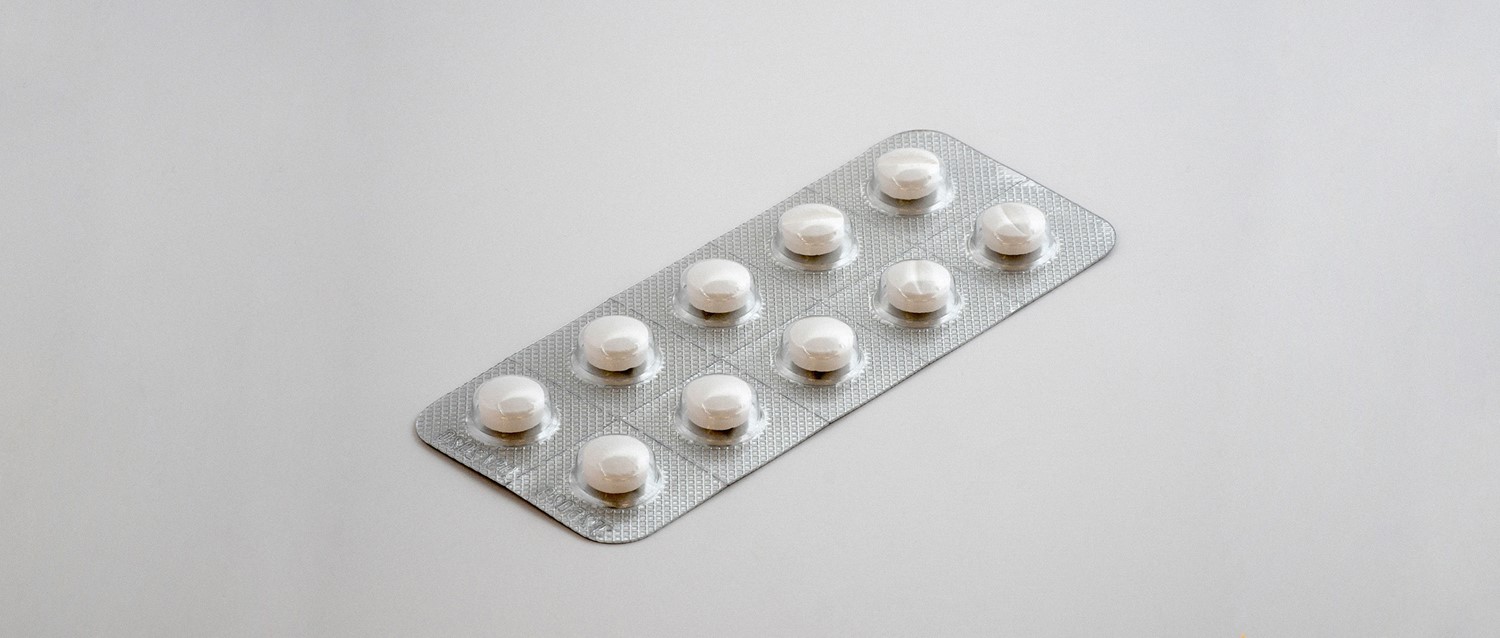
Virtually all of us have taken painkillers at some point in our lives, and they can certainly offer short-term relief from pain. But national guidance from NICE (the National Institute for Health and Care Excellence) encourages doctors to steer away from them for many people with pain. It's not because they want anyone to suffer - far from it. It's because of the risk of becoming addicted to prescription painkillers, which can cause even more problems than the original pain.
There's no question that use of illegal drugs is widespread: in England and Wales, around 1 in 11 16-59 year-olds (around 3 million people) and 1 in 5 16-24 year-olds - around 1.1 million people - reported using drugs in the year ending June 2022. 862,000 of these are frequent drug users who take illicit drugs at least once a month. Although more than 4 in 10 16-24 year-olds and 16-59 year-olds who take these drugs do so only once or twice a year.
Is there a problem with prescription painkillers?
In addition to illicit drug use and use of legal recreational drugs, millions of people in the UK take painkillers regularly. A 2021 survey found that 1 in 10 UK residents have overused prescription pain medication. The government was so concerned about painkiller addiction that in 2015 it set up an All-Party Parliamentary Group on prescribed drug dependence. The government believes that if the issues continue, we could be heading for a public health disaster along the lines of that seen in the USA.
What are strong painkillers?
There are many different types of painkiller. 'Non-opioid' painkillers such as paracetamol are not addictive. Neither are non-steroidal anti-inflammatory medicines (NSAIDs) such as ibuprofen. However, for severe pain, stronger painkillers called opioids are often prescribed. These medicines are related to morphine and include codeine, dihydrocodeine, tramadol, morphine, fentanyl, oxycodone, buprenorphine and diamorphine.
What are the risks of opioid painkillers?
Prescriptions for opioid painkillers increased from three to 23 million between 1991 and 2014. Even though by 2018 they were slowly starting to fall, levels are still much higher than they were 25 years ago. Sometimes these are prescribed for a fairly short period - say, to cope with pain while recovering from surgery. Sometimes the risk of addiction is much less than the need to control pain completely - for instance, in people with cancer needing end-of-life care.
But chronic pain affects between 1 in 2 and 1 in 3 adults in the UK - just under 28 million people. The most common reason for chronic pain is muscle and joint problems - musculoskeletal conditions. Symptoms of osteoarthritis, back and neck pain can last for years and paracetamol makes little difference. In fact, national guidance recommends that paracetamol shouldn't be prescribed for back pain or osteoarthritis because it doesn't work.
As a consequence, many patients turn to stronger, opioid painkillers.
Unfortunately, all of these carry a risk of painkiller addiction - and the stronger they are the greater the risk. Most people never imagine they can become addicted to medicines prescribed by a doctor, but that's not true.
What are addictive drugs?
Addictive drugs share certain properties. As time goes on, you become tolerant of the drug - in other words, you need higher and higher doses to have the same effect. If you don't get the drug, you start to crave it - you can't think about anything other than your next dose. And if you stop it suddenly, it leads to withdrawal symptoms.
Because strong painkillers are so addictive, they have less and less effect as time goes on. That means the dose you were prescribed may not control your pain. The longer you've been taking a painkiller, and the higher the dose, the more likely it is that you will find yourself relying on them.
What are the signs of painkiller addiction?
Signs of painkiller addiction may come on gradually, but over time they start to have more and more impact on your ability to function. They can be broadly divided into behavioural, psychological, physical and cognitive.
Behavioural symptoms include:
Taking a higher dose of medication than you've been prescribed.
Running out of medicine early.
Exaggerating your pain to get more medicine.
Borrowing painkillers from friends.
Going to multiple pharmacists to get supplies of non-prescription opioid painkillers.
Hiding medicine or medication packaging.
Thinking about your medication, and when you can get your next dose, all the time.
Spending less time with family and friends.
Psychological symptoms include:
Being moody or irritable.
Feeling constantly anxious.
Low mood or depression.
Cognitive symptoms include:
Feeling confused or disorientated.
Struggling to concentrate.
Making poor decisions.
Having hallucinations or delusions.
Physical symptoms include:
Problems sleeping or sleeping too much.
Feeling itchy.
Excess sweating.
Being off your food.
Pinpoint pupils.
What should I do if I'm worried about painkiller addiction?
If you're concerned about your painkiller intake, do speak to your doctor. They are very used to helping people with this sort of problem, and they won't judge you. Instead, they can help work with you to develop a plan to reduce or even stop your tablets.
The process isn't quick and you'll need to tail off slowly. Your doctor can also help with other non-drug treatments that can help your pain. For instance, physiotherapy, regular exercise and sometimes counselling have been found to be very effective for helping many people manage pain.
With thanks to 'My Weekly' magazine where this article was originally published.
Patient picks for Medicine information
Treatment and medication
Where to get medication in an emergency
According to one survey, a shocking 1 in 10 people visit A&E to get medicine if they run out. We all live busy lives, but emergency services are under huge strain and too many visits of this sort can cause serious delays to treatment for people who are seriously unwell. If you're taking repeat medication, you'll know when you collect your prescription exactly when you're going to run out. So how can you avoid adding to the strain on overstretched A&E services?
by Dr Sarah Jarvis
Treatment and medication
Steroid side effects you should know about
Steroids are medicines used to treat many conditions, including asthma, arthritis, inflammatory bowel disease, eczema, and autoimmune diseases.
by Josh Alderman
About the authorView full bio

Dr Sarah Jarvis
Clinical Consultant
MA (Cantab), BM, BCh (Oxon), DRCOG, FRCGP, MBE
After training in medicine at Cambridge and Oxford, Dr Sarah Jarvis MBE became a GP.
About the reviewerView full bio

Dr Krishna Vakharia, MRCGP
Chief Medical Officer for Health, Optum UK
MBChB, MRCGP(2013), BMedSci (hons), DFSRH, DRCOG, PGDipDerm (Distn)
Dr Krishna Vakharia is an NHS GP. She is also a regular examiner for the postgraduate Diploma in Practical Dermatology at Cardiff University as well as being the Chief Medical Officer for health at Optum UK.
Article history
Article also available in English, German, Spanish, French, Italian, Portuguese, Hindi, Hebrew, Arabic, and Swedish.
30 Jan 2023 | Originally published
Authored by:
Dr Sarah JarvisPeer reviewed by
Dr Krishna Vakharia, MRCGP
Join the conversation
Share your thoughts or experiences with others in our patient communities.

Ask, share, connect.
Browse discussions, ask questions, and share experiences across hundreds of health topics.

Feeling unwell?
Assess your symptoms online for free
Sign up to the Patient newsletter
Your weekly dose of clear, trustworthy health advice - written to help you feel informed, confident and in control.
By subscribing you accept our Privacy Policy. You can unsubscribe at any time. We never sell your data.
More in treatment and medication
- Art therapy: creative ways to boost your mental health
- Can a pharmacist prescribe antibiotics?
- Do diet pills really work – and are they safe?
- Do mental health apps really work?
- Hay fever: how your pharmacist can help
- Is getting a massage a substitute for physiotherapy?
- Labiaplasties – what are they and are they ever medically necessary?
- Practical ways to manage your medicines at home
- The power of nostalgia: what is Reminiscence Therapy?
- The Stranger Things effect: why nostalgia builds connection and improves our mood
- Unconventional healing: the rise of alternative therapies
- What factors are causing antimicrobial resistance?
- What happens when medicines interact
- What happens when you stop taking weight loss injections?
- What is bariatric surgery?
- What is CBD oil and does it work?
- What is dialectical behavioural therapy (DBT)?
- What you need to know about end of life care
- When should you stop taking antidepressants?
- Why is therapy so exhausting?