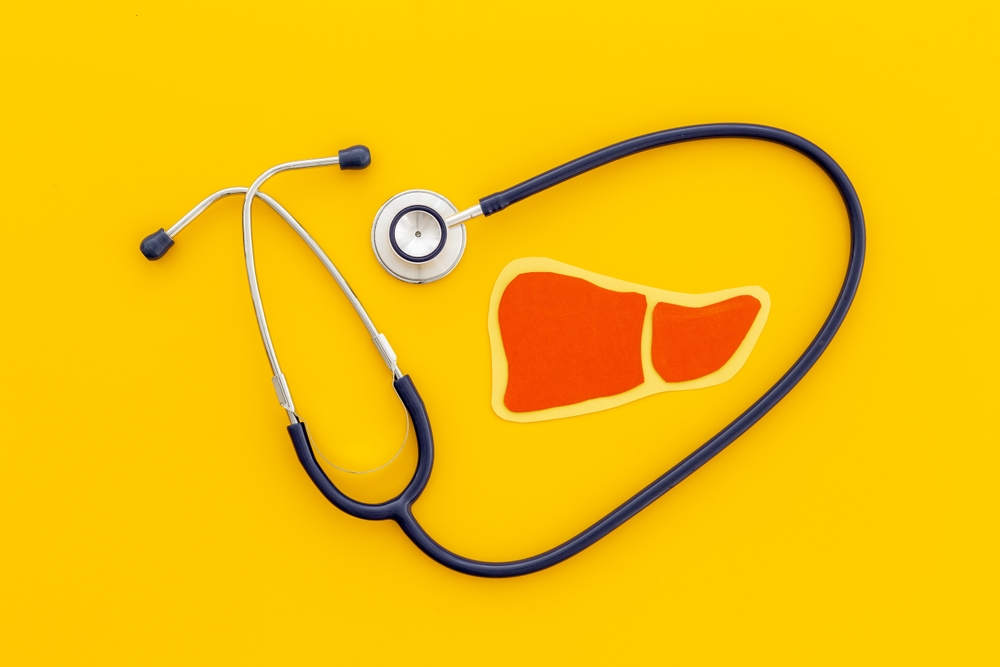
Liver cancer deaths are rising - what you need to know
Revisione paritaria di Dr Colin Tidy, MRCGPAutore Claire KennyPubblicato originariamente 5 Nov 2026
Rispetta le linee guida editoriali
- ScaricaScarica
- Condividi
- Language
- Discussione
- Ask Patient
- Versione audio
- Aggiungi alle fonti preferite su Google
Liver cancer deaths have risen by more than a quarter over the past decade. That’s why we’re helping raise awareness of liver cancer alongside Liver UK. We want more people to recognise the symptoms and understand the risk factors, so they can take action early.
New analysis of Office for National Statistics (ONS) mortality data by Liver Cancer UK, part of Liver UK, shows that liver cancer is the fastest‑rising cancer in England and Wales of the 20 most common cancers. But it’s also one of the most preventable. If you want to know more about the symptoms to look out for and what you can do to reduce your risk, this article might help.
Why are liver cancer deaths rising so fast?
Tumore al fegato often develops with few or subtle symptoms, and many only appear once it’s become advanced. By that point, treatment options are more limited, and survival outcomes are poorer.
The biggest risk factor is pre-existing liver disease - including cirrhosis - which saw an increase in the rate of premature deaths in England by 42% between 2001 and 2023. Premature deaths from alcohol-related liver disease (ALD) also increased by almost 60% over the same period.
Like liver cancer, liver disease can be symptomless for years, creating the conditions in which cancer can develop.
Pamela Healy is Chief Executive at Liver UK, and keen to see a reduction in the upward trend.
“While deaths from some major cancers are falling, liver cancer deaths are rising, and we cannot accept that as inevitable,” she says. “The sharp rise should be a wake-up call.”
Symptoms of liver cancer - what to look out for
Hepatocellular carcinoma is the most common type of primary liver cancer in the UK. While symptoms can be subtle, there are some signs that should prompt medical attention. These can be caused by many conditions, not just liver cancer, but they should always be assessed by a healthcare professional.
Includono:
Perdita di peso inspiegabile.
Persistent nausea or vomiting.
Pain or swelling in the upper right abdomen.
Yellowing of the skin or eyes (jaundice).
Pelle pruriginosa.
Stanchezza estrema or weakness.
Perdita di appetito.
Who’s most at risk?
Most liver cancer deaths occur in people aged 75 and over, and there are higher rates, including higher mortality rates, among men than women.
Secondo Liver UK, there are some other factors that mean you’re more likely to develop liver cancer. These include having an underlying liver disease such as cirrhosis or fatty liver disease, type 2 diabetes, and being obese. These conditions increase your chance of developing steatosi epatica non alcolica (NAFLD) - a condition where excess fat builds up in the liver and which can lead to cirrhosis.
Living in a deprived area can also increase this chance. This reflects higher rates of risk factors such as alcohol-related liver disease (ARLD), viral hepatitis, and obesity.
How to reduce your risk of liver cancer
While not all cases of liver cancer can be prevented, there are steps you can take to reduce your risk and help keep your liver healthy.
Questi includono:
Limiting your alcohol intake - drinking excessive alcohol puts strain on your liver, leading to inflammation, scarring and, over time, conditions such as cirrhosis. Reducing your alcohol intake, or avoiding it altogether, can drastically lower the risks. Try choosing alcohol-free days each week, and staying within recommended guidelines to protect yourself.
Mantenere un peso sano - being overweight or obese increases your chance of developing fatty liver disease. Having a balanced diet and regular physical activity can reduce it.
Managing diabetes - if you have diabetes, managing it well will minimise the likelihood of developing liver issues, particularly fatty liver disease. Medication, liquida, exercise, and regular monitoring can all help reduce stress on your liver, lowering your risk of complications.
Attending regular liver check-ups if you have liver disease - this is really important as regular monitoring allows healthcare professionals to keep an eye on your liver function, identify any changes early, and adjust treatment if needed. Early action could prevent complications and help you stay healthy in the long-term.
“We know much of the risk is linked to liver disease, and there are opportunities to make a real difference,” says Healy. “We need stronger action on prevention, and better identification of people at increased risk to ensure they receive regular surveillance.”
Liver UK recommends getting vaccinated for hepatitis B if you're more likely to be exposed to the virus. It also advises getting tested and treated for hepatitis C if you're in a group with a higher chance of infection.
Things to remember
Always speak to your doctor if you have any symptoms or concerns. Liver cancer survival remains low compared to many other cancers - 13 out of every hundred people survive beyond five years, and less than one in ten survive beyond 10 years. But while it’s one of the UK’s fastest‑rising cancers, it’s also one of the most preventable. Being aware of and managing the risks can drastically reduce your chances of developing liver cancer, or other conditions that may lead to it.
As Healy concludes, finding it earlier can mean more treatment options and a better chance of survival.
“These figures must be a catalyst for action, not simply another set of statistics,” she says. "We owe it to the people behind the numbers to change the direction of travel.”
Scelte del paziente per Informazioni sul cancro
Dieta e nutrizione
Dieta per il fegato grasso: cibi da mangiare e da evitare
In this article, we will take a closer look at the foods you should include in your diet, as well as the foods to avoid with fatty liver.
di Josh Alderman

Vita sana
Quali sono i rischi dell'alcol con l'avanzare dell'età?
Alcohol presents health hazards for people of all ages. But as we age our bodies are less able to cope with its effects, and health concerns increase even more. This includes our chance of developing several cancers, the likelihood of breaking a bone after a minor fall, slower reaction times, and bad reactions to medicines.
di Victoria Raw
Informazioni sull'autoreVisualizza il profilo completo
Autore
Claire Kenny
Claire is a company founder, writer and content creator. She has 25+ years of experience as a commercial copywriter and communications professional and is also a PR. Her clients include the production company behind a new comedy film set in Yorkshire.
Informazioni sul recensoreVisualizza il profilo completo

Dr Colin Tidy, MRCGP
Medico di base, Autore medico
MBBS, MRCGP, MRCP (Paediatrics), DCH
Il Dr Colin Tidy è un medico del NHS, con sede nell'Oxfordshire.
Storia dell'articolo
Articolo disponibile anche in Inglese, Tedesco, Spagnolo, Francese, Italiano, Portoghese, Hindi, Ebraico, Arabo, and Svedese.
Next review due: 5 Nov 2029
5 Nov 2026 | Pubblicato originariamente
Autore:
Claire KennyRevisione paritaria di
Dr Colin Tidy, MRCGP
Condividi i tuoi pensieri o esperienze con gli altri nel nostro comunità di pazienti.
Accesso semplice a trattamenti affidabili e servizi sanitari online.
Common conditions
Get help with common conditions through the NHS, without a GP appointment.
 Sinusite acuta
 Tonsillite batterica
 Impetigine
 Punture di insetti
 Fuoco di Sant'AntonioInfezioni delle vie urinarie (IVU)
Iscriviti alla newsletter di Patient
La tua dose settimanale di consigli sulla salute chiari e affidabili - scritti per aiutarti a sentirti informato, sicuro e in controllo.
Abbonandoti accetti i nostri Informativa sulla Privacy. Puoi annullare l'iscrizione in qualsiasi momento. Non vendiamo mai i tuoi dati.