
Come i tuoi denti possono influenzare la tua autostima
Revisione paritaria di Dr Sarah JarvisAutore Dr Steve PreddyPubblicato originariamente 13 May 2019
Rispetta le linee guida editoriali
- ScaricaScarica
- Condividi
- Language
- Discussione
- Versione audio
- Aggiungi alle fonti preferite su Google
Come ci sentiamo riguardo ai nostri denti può influenzare davvero la nostra fiducia. Un terzo degli adulti ammette di essere insoddisfatto del proprio sorriso, il dentista Dr. Steve Preddy esplora come la nostra salute orale giochi un ruolo importante nel nostro benessere mentale.
Supporto per la salute mentale di adulti e bambini
Terapia cognitivo-comportamentale (CBT) e psicoterapia online per adulti e bambini dagli 8 ai 17 anni. I professionisti accreditati di Onebright supportano le persone che affrontano ansia, depressione e altre difficoltà emotive.
In today's digital age, where social media is an integral part of our everyday lives and often held responsible for portraying an 'ideal' body image, it's no surprise that more than ever people are questioning their looks and losing confidence in themselves. People are seeing the world through a filter, and that's not healthy.
Sadly, negative body image is becoming more prevalent and starting at a younger age, leading to bassa autostima, anxiety and depression. There are many different factors influencing the way people feel about themselves, including the way their teeth look. Indeed, teeth are one of the first things someone will notice about a person, as well as being the most memorable. What's more, people tend to associate those with bad teeth with a bad diet, or an unhealthy lifestyle.
Do you cover your mouth?
As a result, a mouth that doesn't look ‘perfect’ - which includes everything from a misaligned bite, carie dentale, crookedness, discolouration, and missing teeth - can take its toll on someone’s mood and emotional state. Research from Bupa Dental Care found that over a third of UK adults aren't happy with their smile; with 27% avoiding showing their teeth when they smile, 22% avoiding having their photo taken and 18% feeling the need to put their hand over their mouth when smiling.
Without having a bright, confident smile, it can be hard for people to feel good about their appearance in public. This is demonstrated by the rise of orthodontic procedures, with more and more people opting for treatment to achieve perfect teeth.
The dangers of avoiding the dentist
Beyond vanity, people with poor or neglected teeth are more susceptible to malattia gengivale, tooth decay or mouth infections. As a result, they may well face difficulty eating and speaking, as well as suffering from continual pain and chronic alito cattivo, causing further embarrassment and intensifying social anxiety. Poor dental health has even been linked to a higher rate of death from heart attack and stroke.
That's why keeping your mouth in tip-top condition is a vital part of personal care and a key component in increasing confidence and self-esteem. Cracking a confident smile can go a long way in making you feel good on the outside, as well as on the inside. It's mainly thanks to the release of endorphins when you smile, which have many great health benefits, from lowering livelli di stress and boosting your immune system, to helping your heart, and even making you more sociable, approachable and personable.
Start smiling again
To help build a confident smile, people should follow this advice:
Move booking your dental appointment to the top of your to-do list
It's easy for busy lives to get in the way of booking check-ups but if you are feeling unhappy about the way your teeth look, speak with your dentist about what can be done to help.
Make friends with your hygienist
One third of adults say they have never seen a hygienist, but they are an important part of the dental care team. They can give you really useful advice on how to brush and floss properly, and how to maintain a health and happy smile.
Prevention is better than cure
To maintain healthy gums and teeth, brush twice a day for two minutes, floss and make sure you have regular dental appointments. As well as looking after your teeth, dentists can help identify early signs of other conditions such as cancro orale, type 2 diabetes and stress and spot issues you may not have even realised existed.
Dr Steve Preddy is head of Clinical Services at Bupa Dental Care
Scelte del paziente per Cura dentale
Cura orale e dentale
Come affrontare i denti sensibili
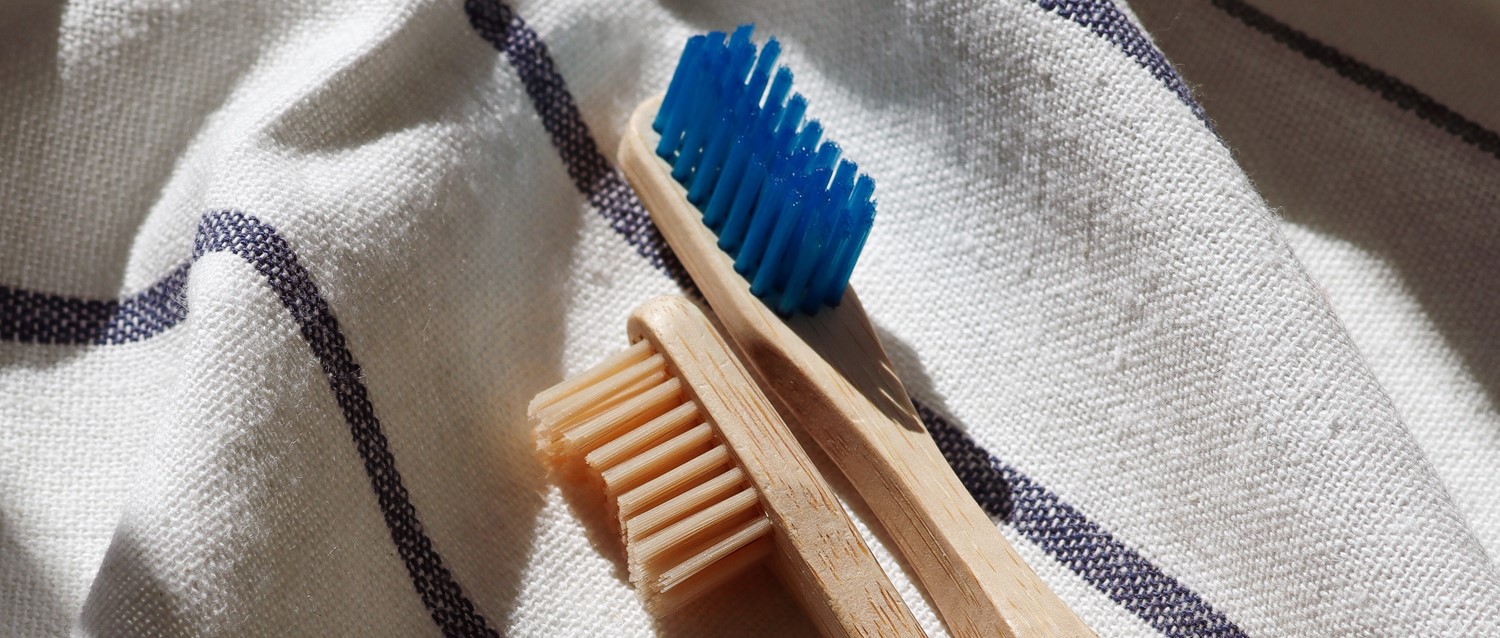
Se hai denti sensibili, conoscerai fin troppo bene il dolore acuto provocato da cibi caldi o freddi e altri comuni fattori scatenanti. Per la maggior parte delle persone, il dolore è temporaneo ed è tipicamente il risultato di smalto dentale consumato. Ma per alcuni potrebbero esserci altre cause e il dolore potrebbe diventare cronico. Chiediamo agli esperti come gestire i denti sensibili e il dolore associato.
di Sally Turner
Cura orale e dentale
Disuguaglianza dentale: cos'è e perché esiste?
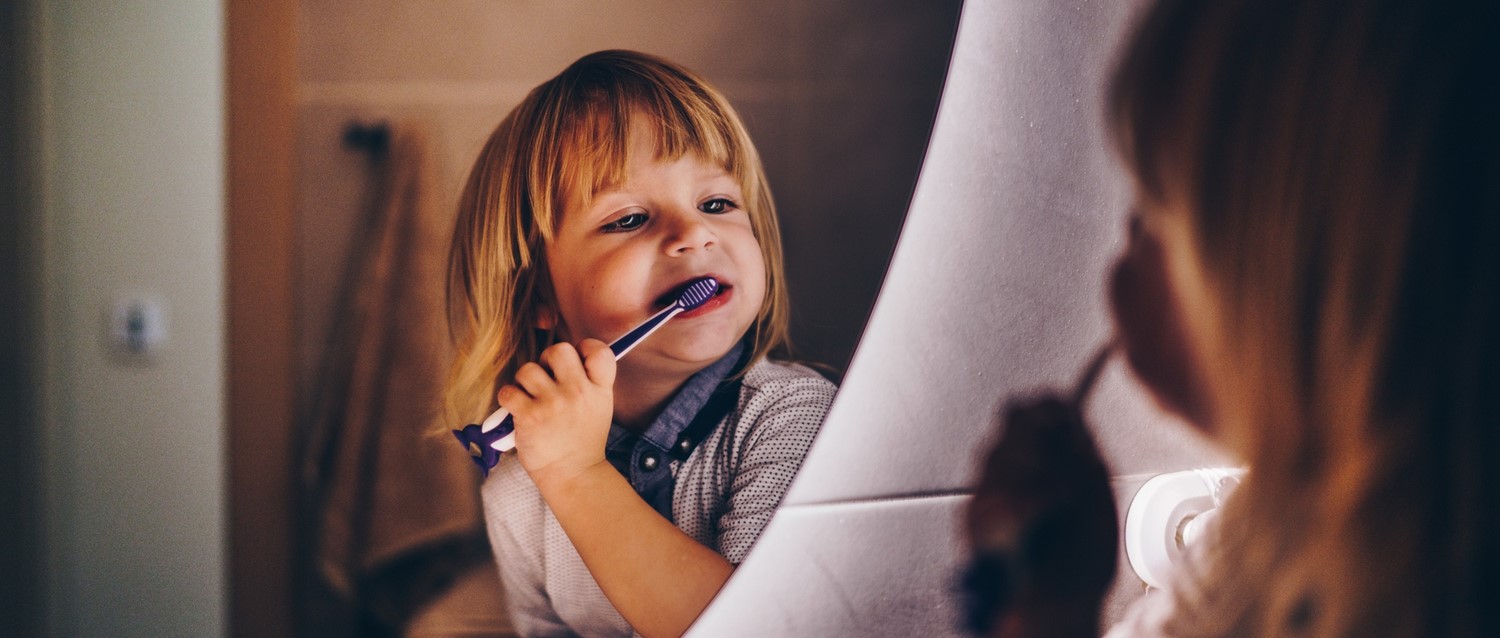
Chiunque abbia sofferto di mal di denti, o abbia dovuto sopportare il dolore (e il costo) di un'otturazione saprà che la carie dentale può essere un problema serio. Inoltre, è quasi completamente prevenibile. Ma nel Regno Unito - e in tutto il mondo - i bambini delle aree più svantaggiate hanno più del doppio delle probabilità di soffrire di carie dentale.
di Gillian Harvey
Informazioni sull'autore
Autore

Dr Steve Preddy
Informazioni sul recensoreVisualizza il profilo completo

Dr Sarah Jarvis
Consulente Clinico
MA (Cantab), BM, BCh (Oxon), DRCOG, FRCGP, MBE
Dopo aver completato la formazione in medicina a Cambridge e Oxford, la Dott.ssa Sarah Jarvis MBE è diventata un medico di base.
Storia dell'articolo
Articolo disponibile anche in Inglese, Tedesco, Spagnolo, Francese, Italiano, Portoghese, Hindi, Ebraico, Arabo, and Svedese.
13 May 2019 | Pubblicato originariamente
Autore:
Dr Steve Preddy
Revisione paritaria di
Dr Sarah Jarvis
Partecipa alla conversazione
Condividi i tuoi pensieri o esperienze con gli altri nel nostro comunità di pazienti.

Chiedi, condividi, connettiti.
Esplora le discussioni, fai domande e condividi esperienze su centinaia di argomenti di salute.

Non ti senti bene?
Valuta i tuoi sintomi online gratuitamente
Iscriviti alla newsletter di Patient
La tua dose settimanale di consigli sulla salute chiari e affidabili - scritti per aiutarti a sentirti informato, sicuro e in controllo.
Abbonandoti accetti i nostri Informativa sulla Privacy. Puoi annullare l'iscrizione in qualsiasi momento. Non vendiamo mai i tuoi dati.