
What does smoking do to your heart?
Peer reviewed by Dr Sarah JarvisAuthored by Gillian HarveyOriginally published 7 Sept 2021
Meets Patient’s editorial guidelines
- DownloadDownload
- Share
- Language
- Discussion
- Audio Version
- Add to preferred sources on Google
Most people, whether or not they smoke, are aware of the damage that smoking can cause to people's lungs. But far fewer people are aware that smoking is also harmful to the heart. Although smoke is inhaled into the lungs, the chemicals absorbed into your bloodstream can also affect the health of your heart and circulatory system.
How does smoking damage the heart?
Chemicals
There are over 7,000 chemicals in tobacco smoke, and over 70 of them are known to cause cancer. But these chemicals have also been proven to increase risk of heart attack or stroke. "The chemicals in cigarettes can affect your heart and blood vessels. They can damage the walls of the heart's arteries so fatty material sticks to them. If the arteries that carry blood to your heart get damaged and clogged, it can lead to a heart attack. If it happens in the arteries that carry blood to your brain, it can lead to a stroke," explains June Davison, senior cardiac nurse at the British Heart Foundation.
Carbon monoxide
This poisonous gas is breathed in when you smoke, increasing your risk of disease. "Carbon monoxide prevents your blood cells from carrying oxygen around your body as well as they should. Having high levels of carbon monoxide in your blood greatly increases your risk of heart and circulatory diseases," explains Davison.
Nicotine
As well as being addictive, the nicotine contained in cigarettes can also directly affect your heart. "Nicotine increases your heart rate and blood pressure. Untreated high blood pressure permanently damages your arteries and your heart," says Davison.
Long-term effects
Those who continue to smoke over a long period of time increase the risk of heart damage and heart attack, due to narrowing of the arteries. "Smoking can increase the risk of coronary heart disease - when your coronary arteries become narrowed by a build-up of fatty material within their walls. This in turn can cause angina symptoms and more seriously a heart attack. It also increases the risk of other circulatory diseases such a stroke and peripheral arterial disease," says Davison.
Smoking promotes heart disease in several ways. Firstly, it can damage the delicate lining of your arteries, limiting their ability to expand. It also leads to inflammation, which in turn results in harmful chemicals building up inside the arteries and stopping cells communicating effectively.
Smoking has been linked to higher levels of harmful LDL cholesterol and lower levels of HDL cholesterol, which usually protects the heart. And it makes your blood more prone to clotting, increasing the risk of a clot blocking off one of the major arteries supplying blood to the heart.
What are the warning signs?
Whether or not you smoke, it's important to know the warning signs of heart disease or heart attack. Sadly, not everyone has warning signs before a major cardiac incident, so lack of symptoms does not mean that no damage has occurred.
"Coronary heart disease (CHD) usually develops slowly over time and the symptoms can be different for everyone. Angina is the term used to describe the most common symptoms of CHD, these include: chest pain or tightness, shortness of breath, pain travelling through the body, feeling faint and nausea. These symptoms often occur after someone exerts themselves," explains Davison.
However, for many, the first sign of heart disease may be a major incident. "Unfortunately, sometimes the first time someone realises they have CHD is when they have a sudden heart attack."
Symptoms of a heart attack
Chest pain - in the case of a heart attack, this pain is usually sudden and doesn't go away.
Pain that radiates to other areas of the body, particularly the left or right arm, neck, jaw, back or stomach.
Tightness in the chest - this may feel similar to indigestion, or be more of a 'heavy' feeling.
Feeling light-headed, short of breath, sick and sweaty.
If you experience symptoms of a heart attack it is crucial that you seek urgent medical attention - if in the UK by calling 999. Whilst waiting for paramedics, sit down and try to stay as calm as possible. If you are able to, take 300 mg aspirin.
Time to quit?
Even if you have been smoking for a long period of time, the good news is quitting can rapidly reduce your risk of heart and circulatory disease. "You might notice the benefits sooner than you think," agrees Davison. "20 minutes after you quit smoking, your heart rate and blood pressure return to normal; 2-12 weeks, exercise becomes easier, and your breathing improves." In fact, just a year after you quit the habit, your risk of heart attack is half of that of someone who is still smoking.
What about vaping?
Vaping is considered by many to be a safer alternative to smoking, and many smokers credit vaping devices with helping them quit. However, vaping does have addictive potential and - as vaping is relatively new - it is not certain how this might affect health in the longer term.
"E-cigarettes (also known as vapes) are devices that allow you to inhale nicotine in a vapour rather than smoke. They've been shown to be significantly less harmful than regular cigarettes, as they don't contain tobacco and don't produce tar or carbon monoxide. However, e-cigarettes can still be addictive because the liquid that's used in them usually contains nicotine. That's why they shouldn't be used by non-smokers or young people," explains Davison.
The good news is that these less harmful alternatives have been shown to be a stop-smoking aid. "There is evidence that e-cigarettes can be useful to help you quit smoking when combined with support from Stop Smoking Services. However, more research is needed on the long-term health impacts of e-cigarettes and vaping," says Davison.
With this in mind, it may be worth trying vaping as a means to quit the habit, rather than a permanent alternative.
Although smoking is harmful to your health in many ways, the benefits of quitting are enormous - and more rapid than you might think.
Patient picks for Smoking and vaping
Healthy living
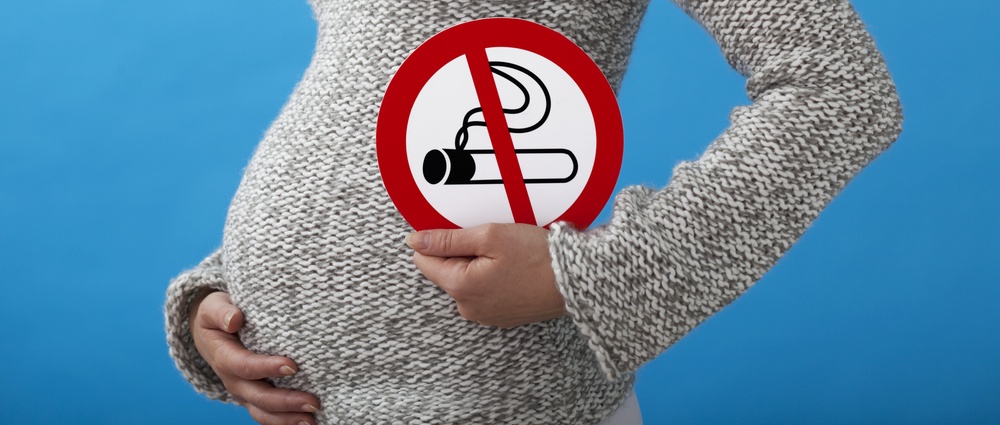
How to quit smoking during pregnancy
Smoking in pregnancy carries very serious health risks for you and your baby. Although quitting can be a challenging process, stopping smoking is one of the best things you can do to give your child a healthy start in life. Here are some tips to make quitting a little easier.
by Lawrence Higgins

Healthy living
Smoking could lead to sight loss, warn optometrists
The Association of Optometrists (AOP) has issued a warning that millions of smokers are risking their eyesight by continuing to smoke.
by Ashwin Bhandari
About the authorView full bio
Authored by

Gillian Harvey
Freelance Writer
BA (Hons) English
Gillian is a freelance writer and columnist for a variety of national newspapers and magazines.
About the reviewerView full bio

Dr Sarah Jarvis
Clinical Consultant
MA (Cantab), BM, BCh (Oxon), DRCOG, FRCGP, MBE
After training in medicine at Cambridge and Oxford, Dr Sarah Jarvis MBE became a GP.
Article history
Article also available in English, German, Spanish, French, Italian, Portuguese, Hindi, Hebrew, Arabic, and Swedish.
7 Sept 2021 | Originally published
Authored by:
Gillian HarveyPeer reviewed by
Dr Sarah Jarvis
Join the conversation
Share your thoughts or experiences with others in our patient communities.

Ask, share, connect.
Browse discussions, ask questions, and share experiences across hundreds of health topics.

Feeling unwell?
Assess your symptoms online for free
Sign up to the Patient newsletter
Your weekly dose of clear, trustworthy health advice - written to help you feel informed, confident and in control.
By subscribing you accept our Privacy Policy. You can unsubscribe at any time. We never sell your data.