
Squat profondo a riposo - può questa semplice postura sbloccare flessibilità, mobilità e longevità?
Revisione paritaria di Dr Colin Tidy, MRCGPAutore Hannah Boynton-ForshawPubblicato originariamente 24 Ago 2026
Rispetta le linee guida editoriali
- ScaricaScarica
- Condividi
- Language
- Discussione
- Versione audio
- Aggiungi alle fonti preferite su Google
When we go to sit down, most of us instinctively head straight for a chair or comfy sofa without giving it a second thought. Modern life has normalised this way of sitting, with many of us rarely considering any other position. Over time, however, this habit can negatively affect our flexibility, mobility, and strength.
Popular across much of the world, the deep resting squat offers a natural alternative - and a range of potential benefits.
What is a deep resting squat?
The deep resting squat is a natural resting posture. It’s where you lower your hips below your knees, while your whole foot remains flat on the floor. This age-old functional posture has been used by humans worldwide for resting, working, cooking, and eating - rather than an active exercise.
Today it remains a daily posture in numerous countries. However, due to the reliance on modern-day furniture, many people in Western nations have lost this ability due to lack of regular practice.
Joseph Webb, a Chartered Personal Trainer (FCIMSPA) and Fellow of the Royal Society for Public Health (FRSPH), based in Henley-on-Thames, UK, explains more about this posture.
“From a movement perspective, a deep resting squat requires a combination of ankle mobility, hip mobility, knee flexion, and balance,” he says. “In many parts of the world, it's a completely normal resting posture used instead of sitting on a chair.
“Many people in Western countries find it surprisingly difficult because we spend so much of our day sitting in chairs, driving, or at desks, rather than regularly moving through deep ranges of motion.”
Joseph Webb

Is a deep resting squat good for you?
For many people, the deep resting squat is a position that is beneficial for your mobility and joint health. It can also help maintain strength and functional range of motion in your lower body.
Current research shows that the deep resting squat is a safe posture when correct technique is applied. 1
If practised with good form, this posture can:
Support joint mobility in your knees, hips, and ankles.
Increase lower-body flexibility.
Improve your balance.
Promote lower-body circulation.
Help with your digestion.
Webb explains that when safely performed, and within your own limits, the deep resting squat is an excellent mobility exercise.
He says: “I've used the deep resting squat with many clients to help improve hip and ankle mobility, increase confidence moving into deeper squat positions, and make everyday movement feel more comfortable.”
Webb emphasises that there isn’t strong evidence to show that simply sitting in a deep squat alone is a cure for pain or injury.
“However, we do know that regularly working on mobility can improve joint range of motion,” he adds. “A deep squat is one way of maintaining and developing mobility through the hips, knees and ankles.”
Who should perform a deep resting squat?
It is important to seek advice from a health professional before attempting this posture if you have certain health conditions.
Questi includono:
Osteoartrite in your hips, knees, or ankles.
Acuta hip impingement.
Significant dolore articolare.
If you are recovering from surgery.
A medical condition that affects your movement.
When considering whether a deep resting squat is suitable for you, Webb advises using it appropriately, rather than assuming it's suitable for everyone.
“Most people can benefit from practising this position,” he explains. “This is particularly true for those who spend long periods sitting during the day or who feel stiff through their hips and ankles.
“It can also be useful for people looking to improve their squat technique in the gym, maintain lower body mobility as they age, or simply move more comfortably in everyday life.”
Webb also reminds us that everyone’s squat will look slightly different. Physical differences in hip anatomy, femur length, torso length, and ankle mobility will all influence how someone naturally squats.
“There’s no such thing as one perfect squat position that suits everybody,” he says, “We are all different, so listen to your body, and don’t force yourself into a position.”
What to be cautious of
If you haven’t exercised for some time, take things slowly - progress gradually rather than forcing your body into an unfamiliar position. Hold the posture for short intervals to allow your muscles to adapt and become stronger over time.
Finding a position that works for you will help to make the movement more comfortable.
“The biggest rule is that mobility shouldn’t be painful,” Webb says. “There's an important difference between feeling a stretch and feeling pain. Mild discomfort as your muscles and joints move into an unfamiliar position can be normal. Sharp pain isn't.”
If you are unsure, or have any concerns, always seek advice from a healthcare professional.
Deep resting squat
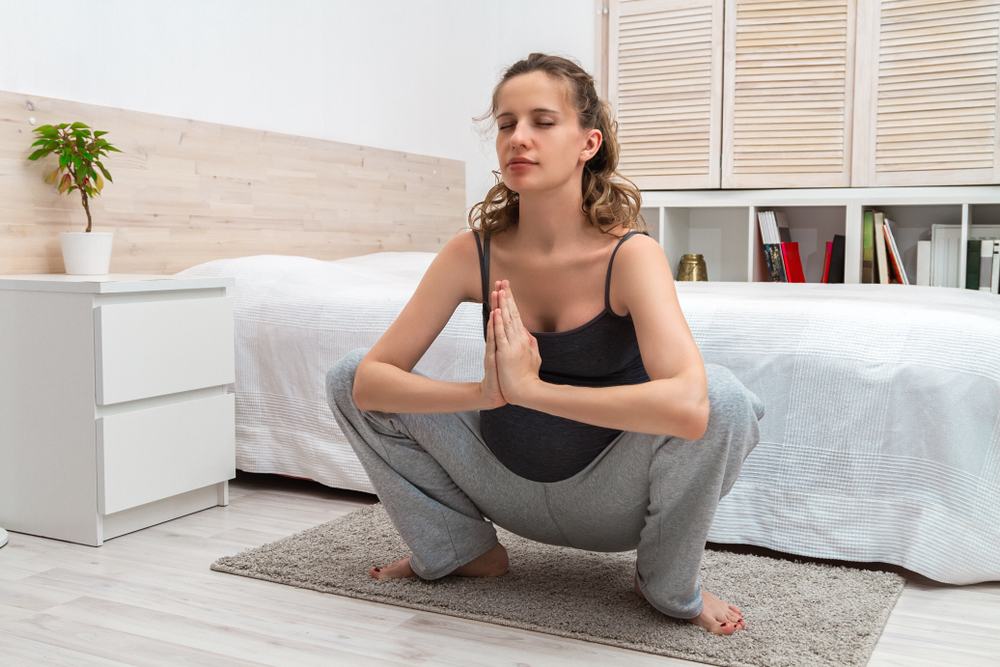
How to safely perform a deep resting squat
If you’re new to this posture, a progressive approach is recommended. Webb suggests some simple tips to help improve your hip and ankle mobility, and increase your confidence moving into deeper squat positions.
Here's how to get started:
Warm up - spend five to ten minutes of gentle activity to warm your muscles.
Mobilise - take a few minutes to move around your ankles and hips.
Stand comfortably - move your feet between hip to shoulder-width apart.
Move slowly - drop your hips down towards a deep squat posture.
If you find the full position challenging, feel unbalanced, or have difficulty keeping your feet flat on the floor - there are some simple adjustments you can try to make it easier.
Questi includono:
Placing a wedge or rolled-up towel under your heels.
Holding on to a sturdy table or door frame.
Using this support to gradually lower yourself down.
Only going as far as you feel comfortable, then holding the position.
You don’t need to spend several minutes in this posture. As a practical guide, Webb suggests holding the position for around 30 to 60 seconds.
“Even a short daily practice performed consistently is likely to be more beneficial, than occasionally for longer periods,” he says.
Long-term benefits of deep resting squat
As we get older, it’s important to maintain your mobility, strength, and movement with confidence. The deep resting squat is a positive posture to help support this.
“Being able to comfortably get down to the floor and back up again is an important functional movement," Webb concludes. "Maintaining that ability becomes increasingly valuable as we age.”
Supporting your mobility through practising the deep resting squat can have a positive effect on your everyday activities. It can help your body move more comfortably and safely for as long as possible. Before you begin, make sure you read the advice above. This will help you practise the posture safely and get the most out of it - for your own progression and wellbeing.
Scelte del paziente per Esercizio e attività fisica
Vita sana
Come una cattiva postura influisce su più del semplice mal di schiena
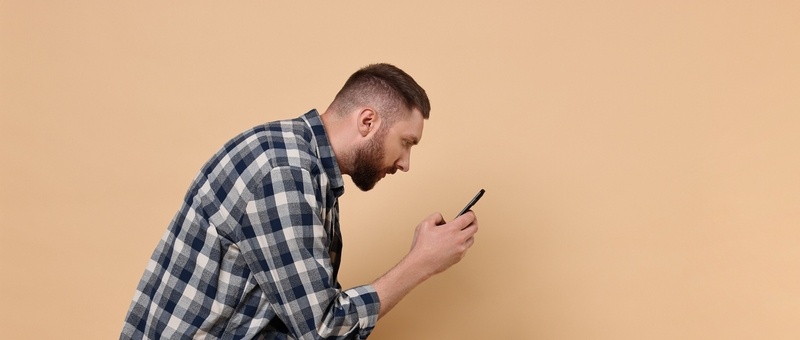
Oggigiorno, essere bloccati a una scrivania tutto il giorno non è solo un'abitudine - è praticamente parte del lavoro per molte persone. Tra la nostra vita professionale e l'intrattenimento digitale che riempie il nostro tempo libero, siamo sempre più attratti da posizioni statiche e incurvate. Questo ambiente rende il semplice atto di mantenere una buona postura una lotta costante. Un fisioterapista spiega esattamente come una cattiva postura influisce sul tuo benessere e offre consigli semplici e praticabili per aiutarti a condurre una vita più felice e sana.
di Victoria Raw
Ossa, articolazioni e muscoli
Che cos'è il sedere da sedia da ufficio - e come lo si può prevenire?
È raro che i professionisti della salute approvino una tendenza sanitaria sui social media, ma un termine che recentemente ha attirato l'attenzione online è 'sedere da sedia da ufficio'. Questa frase informale descrive i cambiamenti che possono verificarsi nei muscoli del sedere a causa della seduta prolungata. Quindi, c'è qualche verità dietro questa tendenza? Abbiamo parlato con un fisioterapista per spiegare cosa sia realmente il sedere da sedia da ufficio, perché accade e modi semplici per ridurre gli effetti delle lunghe ore trascorse seduti.
di Victoria Raw
Informazioni sull'autoreVisualizza il profilo completo
Autore

Hannah Boynton-Forshaw
BA (Hons) Communications & Cultural Studies and Media
Hannah is a content writer who specialises in authentic, and engaging writing that tells a story.
She is committed to creating content that has clarity and purpose, and most importantly, engages with an audience. She has worked with a variety of brands, including IKEA, NHS Protect, University of Leeds, ASDA, Marks and Spencer, Tesco, Waitrose, Morrisons, Next, and British Gas.
Informazioni sul recensoreVisualizza il profilo completo

Dr Colin Tidy, MRCGP
Medico di base, Autore medico
MBBS, MRCGP, MRCP (Paediatrics), DCH
Il Dr Colin Tidy è un medico del NHS, con sede nell'Oxfordshire.
Storia dell'articolo
Articolo disponibile anche in Inglese, Tedesco, Spagnolo, Francese, Italiano, Portoghese, Hindi, Ebraico, Arabo, and Svedese.
Next review due: 24 Aug 2029
24 Ago 2026 | Pubblicato originariamente
Autore:
Hannah Boynton-ForshawRevisione paritaria di
Dr Colin Tidy, MRCGP
Partecipa alla conversazione
Condividi i tuoi pensieri o esperienze con gli altri nel nostro comunità di pazienti.

Chiedi, condividi, connettiti.
Esplora le discussioni, fai domande e condividi esperienze su centinaia di argomenti di salute.

Non ti senti bene?
Valuta i tuoi sintomi online gratuitamente
Iscriviti alla newsletter di Patient
La tua dose settimanale di consigli sulla salute chiari e affidabili - scritti per aiutarti a sentirti informato, sicuro e in controllo.
Abbonandoti accetti i nostri Informativa sulla Privacy. Puoi annullare l'iscrizione in qualsiasi momento. Non vendiamo mai i tuoi dati.