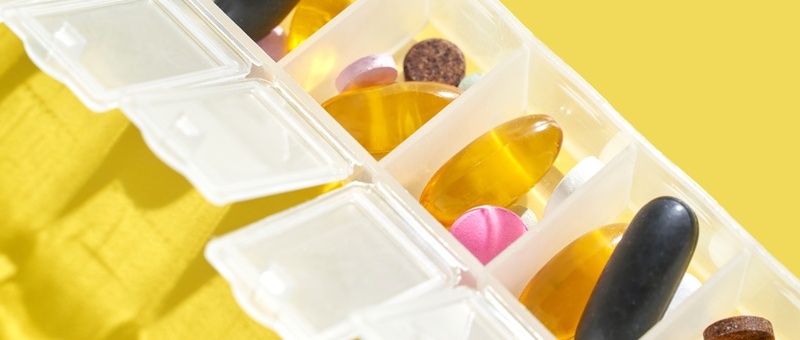
How to keep your medicines safe during hot weather
Autore Dipa KamdarPubblicato originariamente 9 Jul 2026
Rispetta le linee guida editoriali
- ScaricaScarica
- Condividi
- Language
- Discussione
- Versione audio
- Aggiungi alle fonti preferite su Google
When the weather turns hot, most of us remember sunscreen and water. But what about our medicines? Heat can quietly damage medicines, making them less effective or even unsafe. As heatwaves become more common in the UK and globally, knowing how to store medicines properly is becoming essential.
Why heat can damage medicines
Medicines are more sensitive to temperature than people may realise. Many are designed to be stored below 25°C, ideally between 15°C and 25°C. Specific storage requirements, such as refrigeration (between 2°C and 8°C), will be listed on the packaging.
Above 25°C, the chemical structure of some medicines can begin to break down. This can affect how well the medicine works.
Excessive heat can also cause creams to separate, liquids to evaporate, or capsules to melt. The UK’s drugs regulator, the Medicines and Healthcare products Regulatory Agency, warns that heat can affect tablets, inhalers, insulin and other everyday treatments.1
Which medicines are most affected by hot weather?
Insulina is a protein, and proteins can change shape when exposed to heat. Once this happens, the medicine may not work effectively, and some research shows that insulin loses potency as temperatures rise.2 This is why manufacturers recommend keeping unopened insulin in the fridge and using opened pens or vials only at room temperature for a limited time.
The same is true for GLP-1 medicines, such as Wegovy e Mounjaro. These are used for type 2 diabetes and weight management. Like insulin, they are protein-based medicines, meaning they can break down when exposed to heat and are less likely to be effective. Manufacturers advise keeping GLP-1 pens in the fridge before use and storing them below 30°C once opened.3
Other medicines are also at risk. Inalatori contain gases that can expand in heat, affecting how much medicine is released or causing the inhaler to burst.
A study looking at salbutamol inhalers in real-life summer conditions (often reaching 40°C) delivered up to 12% less salbutamol and produced larger aerosol particles.4 This means less drug reaches the lungs, so patients may receive less relief from their asthma symptoms.
Even medical devices, such as blood glucose monitors, can be affected. A study showed that short bursts of high heat (42°C) and humidity (83% relative humidity) caused glucose meters and strips to give falsely high readings, sometimes by 30% within just 15 minutes.5 Even brief exposure can lead to unsafe overestimation of glucose.
Where medicines are more likely to overheat
The problem is that medicines often overheat in everyday places. Cars are one of the worst locations, as a parked vehicle can reach more than 40°C on a warm day. Windowsills are another danger because direct sunlight can heat medicines far beyond the temperature of the room.
Research estimates that around half of UK homes now overheat (indoor temperatures above 26°C) during heatwaves, especially older buildings that trap warm air.6
Bathrooms are also risky, as humidity and sudden temperature changes can affect both medicines and devices. Research shows that people commonly store medicines in kitchens and bathrooms, where temperature and humidity fluctuate.7
Sustained heat exposure is the real concern. Many medicines may tolerate brief periods of warmth, but several days of high temperatures, especially during a heatwave, increase the chance of chemical breakdown and loss of potency.
Keeping medicines safe during hot weather
There are ways to protect medicines during hot weather.
Avoid storing medicines in bathrooms or kitchens where temperatures change quickly. A room thermometer can be useful. Keep it in the coolest part of the house and away from sunlight. However, even this may not be enough in some homes that overheat.
Closing the curtains or blinds, windows and using fans in the room may help. With persistent heatwaves, it may be worth investing in air conditioning to protect medicines – even a portable option for one room. Currently only around 19% of households in Great Britain have air conditioning.
Travelling requires extra planning. Medicines can also get hot in pockets and bags, so they should be carried in insulated pouches or cool bags. They should not be placed directly next to ice packs, as freezing can be just as damaging as heat. Never leave medicines in a parked car.
Know the signs of damaged medicines
It is also important to know the signs of heat-damaged medicines. Tablets may become soft, crumbly or discoloured. Liquids may look cloudy or have crystals. Inhalers may feel warm or deliver weaker doses.
Any change in appearance or performance should be checked with a pharmacist. For insulin and GLP-1 users, unexplained high blood sugar readings may be a sign that the medicine has been damaged.
Heatwaves may feel like a welcome break from the usual British drizzle, but they bring hidden risks for medicines. As temperatures rise, protecting your medicines becomes just as important as protecting your skin. Keeping them cool, checking for changes and avoiding direct sunlight can help ensure they work exactly as they should.
This article is republished from The Conversation under a Creative Commons license. Read the original article.
Scelte del paziente per Notizie sulla salute
Notizie sulla salute
Ebola outbreak declared a global health emergency - what you need to know
The World Health Organization (WHO) has declared the Ebola outbreak in the Democratic Republic of the Congo a “public health emergency of international concern”, with cases now confirmed in neighbouring Uganda. Here is what you need to know.
by Professor Alimuddin Zumla

Notizie sulla salute
Farmaco per il cancro ovarico approvato per l'uso nel NHS prolungherà la vita
A drug that can treat chemotherapy-resistant ovarian cancer has just been approved for use on the NHS in England. Mirvetuximab soravtansine (also known as Elahere) is the first new drug to be approved for hard-to-treat ovarian cancer in over 20 years.
di Professor Steve Conlan
Ulteriori letture e riferimenti
- MHRA: Don’t let the heatwave affect your medicines: Three important tips from the MHRA
- Vimalavathini R & Gitanjali B: Effect of temperature on the potency & pharmacological action of insulin.
- EMC: Wegovy 2.4 mg, FlexTouch solution for injection in pre-filled pen
- Ammari et al: Delivered Lung Dose and Aerodynamic Particle Size Distribution of Salbutamol Pressurized Metered Dose Inhaler After Living Under Patients' Realistic Retention Environments.
- Lam et al: Short-Term Thermal-Humidity Shock Affects Point-of-Care Glucose Testing
- The CCC: Addressing overheating risk in existing UK homes
- Coombs et al: Medicines storage needs to change with the climate
Informazioni sull'autoreVisualizza il profilo completo

Dipa Kamdar
Senior Lecturer in Pharmacy Practice, Kingston University
Her current research interests include inclusive pharmacy practice and education, women’s health, public health and alternative medicine. She holds a Master of Pharmacy and is a registered pharmacist with the General Pharmaceutical Council, as well as a member of the Royal Pharmaceutical Society.
As an academic pharmacist, she teaches undergraduate pharmacy students. She has completed a Postgraduate Certificate in Teaching and Learning in Higher Education and is a Senior Fellow of the Higher Education Academy, now known as Advance HE.
Having worked across several areas of pharmacy, including academia, industry, hospital and community pharmacy, she teaches a broad range of pharmacy practice topics. Her current teaching focus includes minor illness, public health, and pharmacy law and ethics.
Storia dell'articolo
Le informazioni su questa pagina sono revisionate da clinici qualificati.
Articolo disponibile anche in Inglese, Tedesco, Spagnolo, Francese, Italiano, Portoghese, Hindi, Ebraico, Arabo, and Svedese.
9 Jul 2026 | Pubblicato originariamente
Autore:
Dipa Kamdar

Chiedi, condividi, connettiti.
Esplora le discussioni, fai domande e condividi esperienze su centinaia di argomenti di salute.

Non ti senti bene?
Valuta i tuoi sintomi online gratuitamente
Iscriviti alla newsletter di Patient
La tua dose settimanale di consigli sulla salute chiari e affidabili - scritti per aiutarti a sentirti informato, sicuro e in controllo.
Abbonandoti accetti i nostri Informativa sulla Privacy. Puoi annullare l'iscrizione in qualsiasi momento. Non vendiamo mai i tuoi dati.
Altre notizie sulla salute
- 1 bambino su 5 che inizia la scuola primaria non è completamente protetto contro malattie gravi
- Muovere il mignolo può davvero fermare il declino cognitivo?
- Ebola outbreak declared a global health emergency - what you need to know
- La stagione influenzale inizia presto: l'UKHSA esorta i gruppi idonei a vaccinarsi
- Per la prima volta, il vaccino gratuito contro la varicella sarà offerto ai bambini in Inghilterra
- Il morbillo è tornato: perché i vaccini sono importanti
- Prescrizioni di cannabis medica - i fatti dietro i titoli
- NuovoMeningitis B vaccine rollout begins for students – what you need to know
- MHRA approva teplizumab per ritardare la progressione del diabete di tipo 1
- L'aumento del prezzo di Mounjaro lascia i pazienti nel Regno Unito con bollette elevate
- Aumento del prezzo di Mounjaro: le tue domande risposte
- Farmaco per il cancro ovarico approvato per l'uso nel NHS prolungherà la vita
- Spiegato il piano sanitario decennale del NHS
- La Carta del Paziente: I tuoi diritti, le promesse e le responsabilità del NHS
- Spiegato il trend ‘nonnamaxxing’ di TikTok: ecco come vivere come una nonna italiana può giovare alla salute e al benessere
- Cosa significa per te il nuovo farmaco generico per il diabete e il cuore: spiegazione del dapagliflozin
- Perché i medici stanno scioperando e come ottenere aiuto se ne hai bisogno