Per la prima volta, il vaccino gratuito contro la varicella sarà offerto ai bambini in Inghilterra
Revisione paritaria di Dr Colin Tidy, MRCGPAutore Thomas Andrew Porteus, MBCSPubblicato originariamente 28 Ago 2025
Rispetta le linee guida editoriali
- ScaricaScarica
- Condividi
- Language
- Discussione
- Versione audio
- Aggiungi alle fonti preferite su Google
Da gennaio 2026, ai neonati in Inghilterra verrà offerto per la prima volta un vaccino gratuito contro la varicella. Il nuovo programma fa parte del calendario di immunizzazione di routine del NHS e si prevede che proteggerà centinaia di migliaia di bambini ogni anno da una condizione che è spesso più grave di quanto si pensi.
Varicella causes a high temperature, severe itching, and painful fluid-filled blisters. In most children it passes without complications, but some can develop serious infections, polmonite, or even inflammation of the brain. For families, it often means time off nursery or school and parents missing work, sometimes unpaid.
Until now, parents who wanted to vaccinate their child had to pay around £150 for the two-dose course privately. This change means the chickenpox vaccine will finally be available to all families - not just those who can afford it.
How will the chickenpox vaccine be given?
Children will receive the chickenpox vaccine as part of a combined jab that protects against measles, mumps, and rubella (MMR), plus varicella, the virus that causes chickenpox. Known as the MMRV vaccine, it will be given in two doses - first at around 12 months and again at 18 months - alongside their other routine jabs at their local surgery.
A catch-up programme is also being considered for older children who missed vaccines during the pandemic, to help boost immunity and reduce the number of severe cases.
What impact will it have?
The Joint Committee on Vaccination and Immunisation (JCVI), which advises the government on vaccines, recommended the rollout to reduce the number of children who become seriously ill.
The UK Health Security Agency (UKHSA) says the move will:
Prevent illness in over 500,000 children every year.
Help families avoid around £24 million in lost earnings due to childcare disruption.
Save the NHS an estimated £15 million annually in treatment and hospital costs.
It also brings the UK in line with countries such as the United States, Germany, Australia, and Canada, where chickenpox vaccination has been routine for years and has significantly reduced hospital admissions and complications.
What do the experts say?
Professor Chrissie Jones, a paediatric infectious disease specialist at the University of Southampton, welcomed the change.
She explained this is an important step in protecting children from a common illness that can cause significant discomfort and complications.
"We know that most children recover well from chickenpox, but for some it can be more serious, leading to hospitalisation and long-term effects," she said. “This safe and effective vaccine has been used for many years in other countries, and it has led to a dramatic fall in the number of children who get chickenpox and in the severity of illness when it does happen.
“Providing the vaccine as part of the NHS routine schedule ensures all children, not just those whose parents can afford to pay, can benefit from the protection it offers. It will also reduce the disruption that chickenpox causes to families and workplaces when children are unwell and need to stay at home.”
What should parents do?
When the programme begins in 2026, your doctor will offer the vaccine at the same time as your child’s other immunisations. You don’t need to do anything now, but it’s worth checking your child’s red book to see if they are up to date with their current vaccines.
If you’re unsure about vaccines or have questions about the chickenpox jab, your doctor or health visitor can offer advice. You can also read more about childhood vaccinations in our Immunisation Guide.
Scelte del paziente per Vaccinazioni
Salute dei bambini
Varicella nei bambini
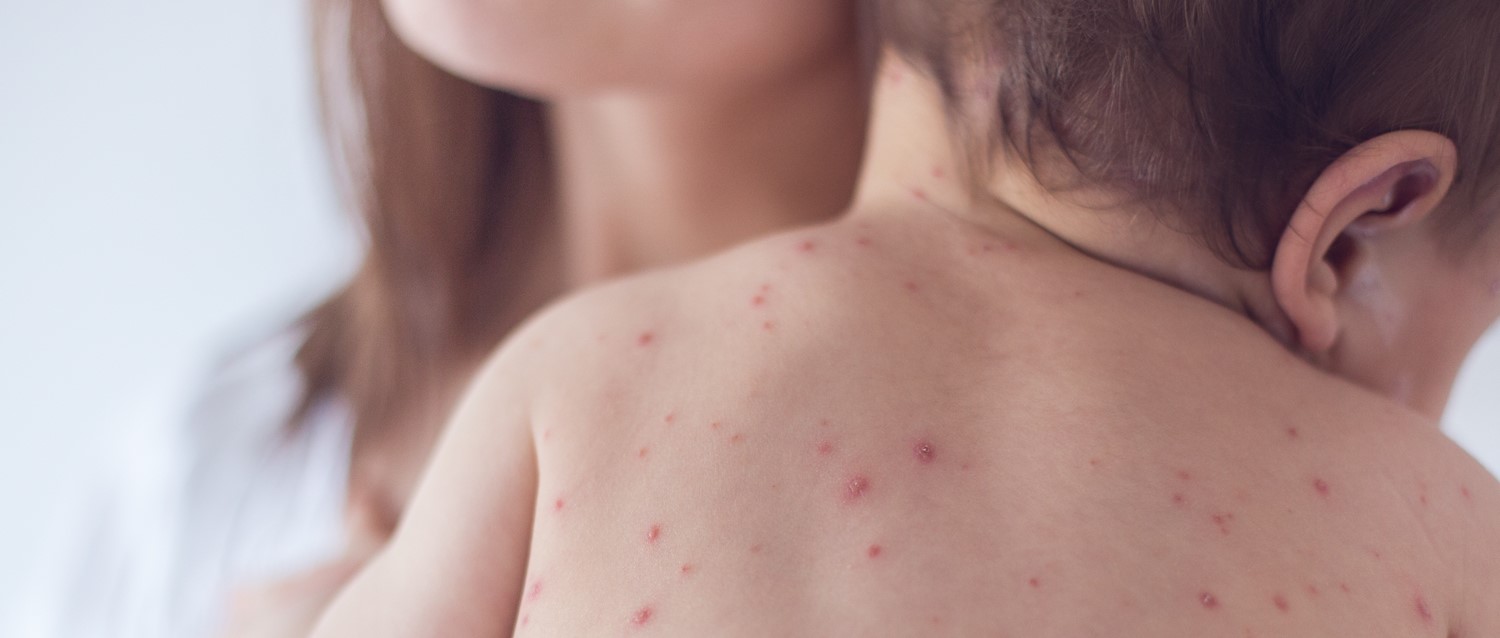
Varicella causa macchie (una eruzione cutanea) e può far sentire il bambino generalmente indisposto. Il trattamento mira ad alleviare i sintomi fino alla guarigione. Il recupero completo è normale nei bambini sotto i 12 anni. Le complicanze gravi sono rare, ma sono più probabili nei bambini con un sistema immunitario debole, come quelli in chemioterapia.
di Dr Colin Tidy, MRCGP
Salute dei bambini
Il tuo bambino dovrebbe ricevere il vaccino contro la varicella?
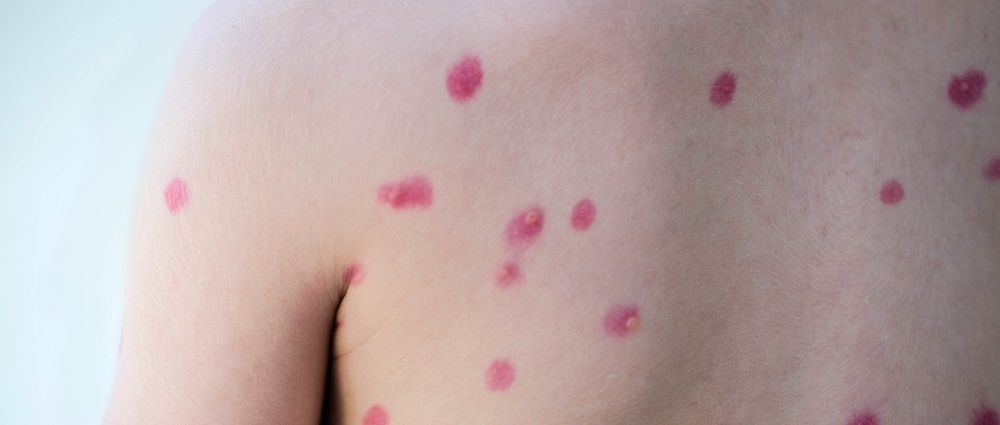
Many of us will remember having chickenpox as a child. The itchy red spots were almost impossible to stop scratching, but doing so could lead to scarring. In an attempt to soothe the itch, parents would douse us in calamine lotion and oatmeal baths. But now, instead of catching the virus to provide immunity, there’s another route parents can choose - the chickenpox vaccine.
di Lydia Smith
Informazioni sull'autoreVisualizza il profilo completo

Thomas Andrew Porteus, MBCS
SaluteTech
MBCS
Thomas scrive per informare, ispirare e attrezzare i leader delle pratiche e i professionisti della salute che affrontano il cambiamento, attingendo a due decenni di lavoro pratico nel sistema sanitario del Regno Unito.
Informazioni sul recensoreVisualizza il profilo completo

Dr Colin Tidy, MRCGP
Medico di base, Autore medico
MBBS, MRCGP, MRCP (Paediatrics), DCH
Il Dr Colin Tidy è un medico del NHS, con sede nell'Oxfordshire.
Storia dell'articolo
Le informazioni su questa pagina sono revisionate da clinici qualificati.
Articolo disponibile anche in Inglese, Tedesco, Spagnolo, Francese, Italiano, Portoghese, Hindi, Ebraico, Arabo, and Svedese.
Next review due: 28 Aug 2028
28 Ago 2025 | Pubblicato originariamente
Autore:
Thomas Andrew Porteus, MBCSRevisione paritaria di
Dr Colin Tidy, MRCGP

Chiedi, condividi, connettiti.
Esplora le discussioni, fai domande e condividi esperienze su centinaia di argomenti di salute.

Non ti senti bene?
Valuta i tuoi sintomi online gratuitamente
Iscriviti alla newsletter di Patient
La tua dose settimanale di consigli sulla salute chiari e affidabili - scritti per aiutarti a sentirti informato, sicuro e in controllo.
Abbonandoti accetti i nostri Informativa sulla Privacy. Puoi annullare l'iscrizione in qualsiasi momento. Non vendiamo mai i tuoi dati.
Di più sulla salute dei bambini
- Ritorno a scuola: come controllare tuo figlio per pidocchi e lendini
- I bambini possono avere la febbre da fieno?
- La consulenza può aiutarti a decidere quando o se avere figli?
- Possiamo fidarci delle tabelle BMI per i bambini?
- Il allattamento al seno previene la depressione postnatale?
- Eczema nei bambini: come calmare il tuo bambino
- Tutto quello che devi sapere sull'eczema nei neonati
- Come chiedere ai bambini della loro salute
- Come aiutare se tuo figlio ha un disturbo alimentare
- Come mantenere tuo figlio a mangiare sano alla scuola secondaria
- NuovoCome individuare i segni di ADHD nel tuo bambino quest'estate
- Molti marchi di alimenti per bambini 'sani' contengono troppo zucchero
- Ulteriori prove che i social media sono associati alla depressione adolescenziale
- Offrire il vaccino HPV ai ragazzi aiuterà a prevenire oltre 100.000 tumori
- Esaurimento genitoriale: la tua guida per comprenderlo e superarlo
- Dovrebbero tutti i bambini ricevere il vaccino antinfluenzale?
- I migliori modi per eliminare i pidocchi
- Cosa fare se il tuo adolescente ha un problema di droga
- Perché i bambini hanno bisogno del vaccino antinfluenzale?