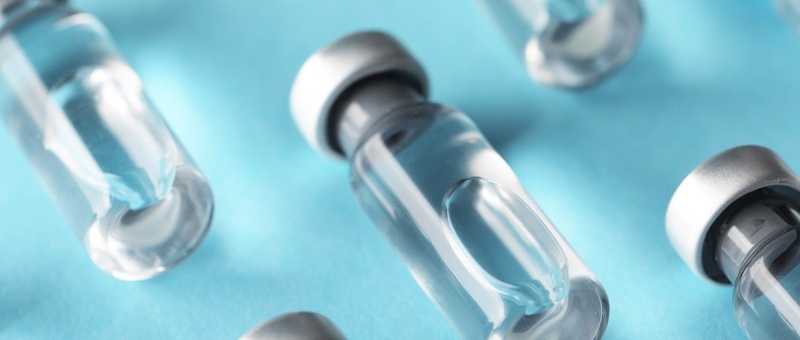
Meningitis B vaccine rollout begins for students – what you need to know
Autore Dr Hamid MerchantPubblicato originariamente 23 Jul 2026
Rispetta le linee guida editoriali
- ScaricaScarica
- Condividi
- Language
- Discussione
- Versione audio
- Aggiungi alle fonti preferite su Google
Thousands of students heading to university or residential college this autumn will be eligible for a free meningococcal group B (MenB) vaccine, following an outbreak in Kent earlier this year that was linked to two deaths.
From July 20, participating pharmacies across England will offer MenB vaccinations to eligible students. Here’s what you need to know.
What is the Meningitis B vaccine?
Il MenB vaccine helps protect against meningococcal group B bacteria, which can cause meningite e setticemia – serious infections that can rapidly become life-threatening.
I’m starting university this autumn but I’m not 18 yet – am I still eligible?
Yes. If you are starting university for the first time in autumn 2026 and were born on or after July 21, 2001, you are eligible even if you have not yet turned 18. Many students entering university this year will be 17 years old when the programme begins.
If you’re unsure whether you’re eligible, check the NHS guidance or speak to a participating pharmacy, your GP, or your university’s student advice services.
What if I already had a meningitis vaccine as a baby – do I need this one too?
It depends on which meningitis vaccine you received and when. Most older teenagers and young adults were born before the MenB vaccine was routinely offered to babies. Although they may have received other meningitis vaccines, such as MenACWY. These do not protect against MenB.
If you received the MenB vaccine as part of the routine infant immunisation programme introduced in 2015, you should already have protection against meningococcal group B (MenB) disease and are not the main target of this catch-up programme.
Please check your vaccination history and follow NHS advice, or speak to your GP, a pharmacist or your university’s student advice service.
Can I just turn up at any pharmacy, or do I need to book an appointment?
Preferably, you should book an appointment. You can also go to a nearby walk-in centre without a booking.
Some pharmacies may also offer walk-in appointments, but availability will vary by location and demand. It is best to check in advance with the pharmacy you plan to visit.
You may be asked to provide evidence to confirm your eligibility at the vaccination centre. If you will be attending university or a further education college for the first time, remember to bring evidence, such as a UCAS offer, offer letter, or an email from the university.
What happens if I only get one dose and miss the second?
You may still get some protection from the first dose, but two doses are needed for the best and long-lasting protection against MenB disease. The NHS programme recommends two doses given at least 28 days apart.
If you miss your second dose for any reason, you should arrange to receive it as soon as possible. You do not usually need to retake the first dose. You can contact your pharmacy or vaccination provider to complete the course or seek further advice.
Does the vaccine protect against all types of meningitis?
No. It is specifically designed to protect against meningococcal group B (MenB) bacteria, one of the leading causes of bacterial meningitis and septicaemia in young people.
No single vaccine protects against every cause of meningitis as it can be caused by different bacteria and viruses. Other meningococcal bacteria, such as A, C, W and Y, are covered by another vaccine called MenACWY, which is routinely offered to teenagers and university entrants.
Together, the MenB and MenACWY vaccines provide protection against the most important meningococcal strains responsible for serious disease in the UK.
Why are university students specifically being prioritised?
University students are being prioritised because they face a higher risk of exposure to MenB, especially during their first year, when close living and social environments make transmission more likely.
This increased risk is linked to close and frequent social contact, including living, studying, and socialising with large numbers of new people. Meningococcal bacteria can spread through activities such as kissing, sharing drinks, sharing vapes and prolonged close contact.
If I’ve had the vaccine, do I still need to watch out for meningitis symptoms?
Yes. Although the MenB vaccine provides strong protection against meningococcal group B disease, no vaccine is 100% effective. Some people do not respond well to the vaccine. They may have weakened immune system due to medical conditions or might be taking certain medications that may affect how well the vaccine works.
Also, since meningitis can be caused by different bacteria and viruses, and MenB vaccine does not protect against every cause of meningitis. This means it is still important to be aware of the i sintomi della meningite e setticemia, even if you have been vaccinated. Early diagnosis and treatment can be life-saving.
For meningitis, the most important signs to look out for are: fever, severe headache, vomiting, stiff neck, dislike of bright lights, rash, confusion, delirium, severe sleepiness, losing consciousness and seizures.
For septicaemia, the most important signs to look out for are: fever and shivering, severe pains and aches in limbs and joints, vomiting, very cold hands and feet, pale or blotchy skin, rapid breathing, diarrhoea and stomach cramps, difficulty walking or standing, severe sleepiness, losing consciousness and a red or purple “bruised” or blotchy rash that doesn’t fade when pressed (a glass test can help you identify this). On darker skin, check inside the eyelids or roof of the mouth where the spots may be more visible.
This article is republished from The Conversation under a Creative Commons license. Read the original article.
Scelte del paziente per Notizie sulla salute

Notizie sulla salute
Farmaco per il cancro ovarico approvato per l'uso nel NHS prolungherà la vita
A drug that can treat chemotherapy-resistant ovarian cancer has just been approved for use on the NHS in England. Mirvetuximab soravtansine (also known as Elahere) is the first new drug to be approved for hard-to-treat ovarian cancer in over 20 years.
di Professor Steve Conlan

Notizie sulla salute
L'aumento del prezzo di Mounjaro lascia i pazienti nel Regno Unito con bollette elevate
If you buy the weight-loss medicine Mounjaro privately in the UK you may see a steep price increase from September. The change will not affect you if you get your medicine from the NHS. Here we show what are the alternatives and what you need to think about if you change or stop taking medicines.
di Thomas Andrew Porteus, MBCS
Informazioni sull'autoreVisualizza il profilo completo

Dr Hamid Merchant
Head of Department for Bioscience, University of East London
Dr Merchant is the Head of Department for Bioscience at the University of East London. He is a pharmaceutical scientist with experience in drug delivery and product development in industry and academia.
Before joining UEL, Hamid worked for the University of Huddersfield (2013-2023), University College London (2011-2013), and Abbott Laboratories Ltd (2002-2007), where he had various leadership roles.
Storia dell'articolo
Le informazioni su questa pagina sono revisionate da clinici qualificati.
Articolo disponibile anche in Inglese, Tedesco, Spagnolo, Francese, Italiano, Portoghese, Hindi, Ebraico, Arabo, and Svedese.
23 Jul 2026 | Pubblicato originariamente
Autore:
Dr Hamid Merchant

Chiedi, condividi, connettiti.
Esplora le discussioni, fai domande e condividi esperienze su centinaia di argomenti di salute.

Non ti senti bene?
Valuta i tuoi sintomi online gratuitamente
Iscriviti alla newsletter di Patient
La tua dose settimanale di consigli sulla salute chiari e affidabili - scritti per aiutarti a sentirti informato, sicuro e in controllo.
Abbonandoti accetti i nostri Informativa sulla Privacy. Puoi annullare l'iscrizione in qualsiasi momento. Non vendiamo mai i tuoi dati.
Altre notizie sulla salute
- 1 bambino su 5 che inizia la scuola primaria non è completamente protetto contro malattie gravi
- Muovere il mignolo può davvero fermare il declino cognitivo?
- Cambiamenti nella cura del diabete di tipo 2 - cosa significa per te
- Ebola outbreak declared a global health emergency - what you need to know
- La stagione influenzale inizia presto: l'UKHSA esorta i gruppi idonei a vaccinarsi
- NuovoHow to keep your medicines safe during hot weather
- Il morbillo è tornato: perché i vaccini sono importanti
- Prescrizioni di cannabis medica - i fatti dietro i titoli
- MHRA approva teplizumab per ritardare la progressione del diabete di tipo 1
- L'aumento del prezzo di Mounjaro lascia i pazienti nel Regno Unito con bollette elevate
- Aumento del prezzo di Mounjaro: le tue domande risposte
- Farmaco per il cancro ovarico approvato per l'uso nel NHS prolungherà la vita
- Spiegato il piano sanitario decennale del NHS
- La Carta del Paziente: I tuoi diritti, le promesse e le responsabilità del NHS
- Spiegato il trend ‘nonnamaxxing’ di TikTok: ecco come vivere come una nonna italiana può giovare alla salute e al benessere
- Cosa significa per te il nuovo farmaco generico per il diabete e il cuore: spiegazione del dapagliflozin
- Perché i medici stanno scioperando e come ottenere aiuto se ne hai bisogno