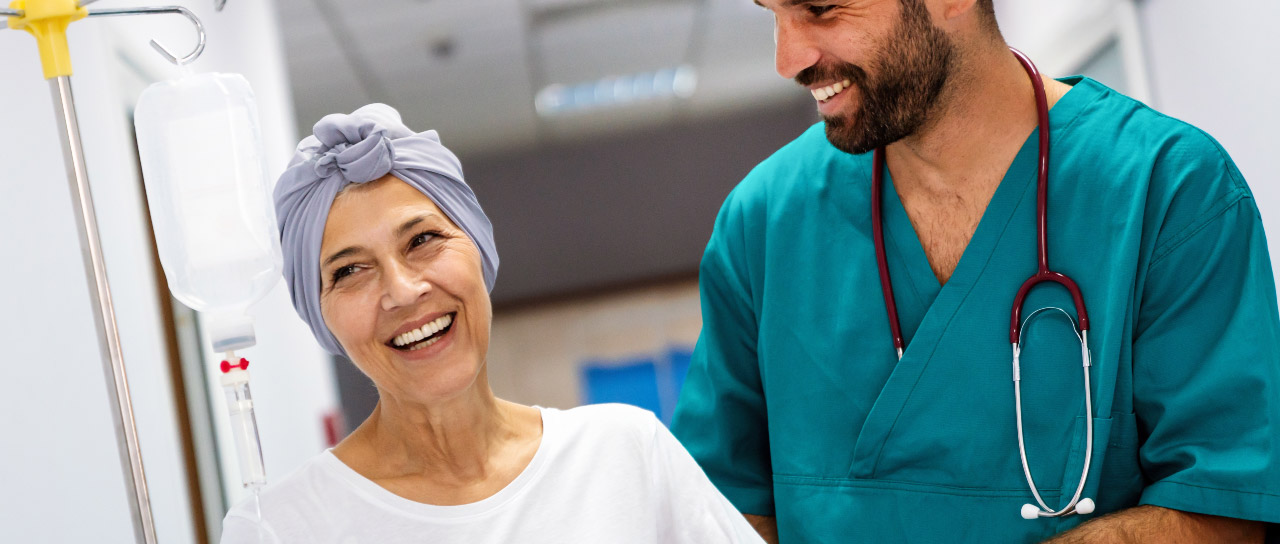
How to look after your skin during chemotherapy
Peer reviewed by Dr Colin Tidy, MRCGPAuthored by Emily Jane BashforthOriginally published 3 Aug 2022
Meets Patient’s editorial guidelines
- DownloadDownload
- Share
- Language
- Discussion
- Audio Version
- Add to preferred sources on Google
Taking good care of your skin while undergoing chemotherapy is super important, since your skin will be more sensitive and prone to issues such as dryness, itchiness, redness, and blisters. While the side effects of chemo on the skin tend to go away once treatment comes to an end, you should be looking after your skin from the get go to prevent it from becoming more fragile.
What is chemotherapy?
Chemotherapy is a type of cancer treatment that aims to prolong life or reduce symptoms. It may also be given with the intention of curing someone's cancer. Chemo uses anti-cancer medicines called cytotoxic medicines (also called cytotoxic drugs).
How does chemotherapy affect the skin?
Chemotherapy often has a range of side effects on skin and nails. Most tend to be manageable, but some can be more severe if you are receiving a stem cell transplant, targeted therapy, or immunotherapy.
Common effects of chemotherapy on skin
Alopecia - the absence of hair from where it usually grows, although the hairline is often spared.
Mucositis - sore mucosal parts of skin (areas with thin skin that covers the inside surface of parts of the body and produces mucus to protect them), especially the mouth.
Skin dryness and brittle nails - can also lead to white lines and ridges developing.
Skin eruption and pruritus - itchy rashes.
Hyperpigmentation - includes nails and mucosal areas.
Rare side effects of chemotherapy on skin
Photosensitivity.
Facial flushing.
Acral dermatitis - red and sore palms and soles of feet.
Exfoliative 'recall' dermatitis - drug reaction causing inflammation, peeling and painful skin.
Hidradenitis - profuse sweating.
Hypersensitive skin - with or without a rash.
Raynaud's phenomenon - cold, red and painful palms and soles.
Injection site reaction.
There's also a chance of developing skin lesions and scleroderma, which are unique side effects of chemotherapy.
Dermatologist Julie Van Onselen explains that the side effects that you experience will depend on the chemotoxic agent (the drug that targets the cancer cells in an attempt to kill them or stop their growth). Therefore, patients need to ask about potential skin side effects.
Long-term skin changes after chemotherapy
While most side effects of chemotherapy tend to be temporary and disappear after treatment has been completed, there's a chance some side effects can continue to affect you longer term.
General side effects of chemotherapy include tiredness, lower resistance to infection and, in some cases, infertility.
As for skin, you might find that you get rashes more frequently. This is due to the chemotherapy medicines interfering with the rapid growth of cells in your body. It's normal to also find that your skin is increasingly more sensitive to sun exposure which drives home the importance of wearing SPF and protective clothing while in the sun, especially as you are then at risk of secondary cancers like skin cancer.
Chemotherapy can also affect tooth health long-term, sometimes affecting enamel and increasing the risk of long-term dental problems. Chemotherapy may lead to gum disease and lower saliva production too, causing dryness in the mouth.
Caring for your skin during chemotherapy
Van Onselen stresses that any changes to your skin should be reported to your oncology team. While skin problems are common with chemotherapy use, they need to be diagnosed correctly.
"In many cases, therapeutic measures to reduce their severity and duration must be introduced as soon as possible. Sometimes, cutaneous toxicity (a reaction to the drug in treatment) means having to reduce the dose, delay cycles, or even stop cancer therapy."
Caring for dry skin during chemotherapy
To reduce dryness as much as possible during chemotherapy, you should keep your skin nourished with a gentle, non-fragranced medical emollient. This works like a moisturiser that you apply directly to your skin. It will cover the skin with a protective film to trap moisture and soothe dry patches.
There is a range of choices available for emollients since they are also used to treat conditions such as eczema, psoriasis, and ichthyosis. Ask your oncology team or local pharmacist for advice.
As well as using an emollient to moisturise, you can use an emollient wash. Van Onselen suggests avoiding soap and cosmetic washes, as these will cause more skin dryness and irritation.
Additionally, she advises steering clear of aqueous cream, despite this being recommended by some professionals. This is known to damage the skin barrier and, since your skin is already sensitive and fragile, you need to use emollients that restore the barrier.
Some brands where you could find emollients include:
Nursem and O'Keeffe's for hands.
Flexitol for feet.
CeraVe for face and body.
Caring for sore hands and feet during chemotherapy
Hand-foot syndrome (also called palmar-plantar erythrodysaesthesia) is a side effect of some chemotherapy drugs. This can lead to palms and soles becoming red, swollen, and blistered.
While only a handful of drugs tend to cause it, it can be painful so it's something to be mindful of so it can be treated early on.
The drugs that may cause hand-foot syndrome are:
5-fluorouracil.
Capecitabine.
Docetaxel.
Cytarabine.
Doxorubicin.
Liposomal doxorubicin.
Some cancers treated with these drugs include stomach, pancreatic, breast, and ovarian.
For treatment of hand-foot syndrome, topical steroid creams may be prescribed, or chemo dose might be altered. You should use moisturisers to combat dryness and rough skin.
General soreness
For general soreness of hands and feet, use an emollient ointment at night underneath cotton gloves/socks to give your skin a moisture surge. Van Onselen explains that this will help prevent painful fissures (cracks) as well.
It's a good idea to keep a small pot or tube of emollient with you when you are out and about. This means you can reapply to your hands on the go, and use it to wash with too. Remember that alcohol gels will cause more dryness and irritation.
Caring for lips and teeth
If your lips become sore, use a non-fragranced lip balm. Apply this multiple times throughout the day for best results.
Some good natural lip balm brands to use include:
Burt's Bees.
Vaseline.
Le Labo.
Palmer's.
To combat chapped lips, you should also avoid sun exposure, as this can make them worse. Lip balms with SPF in are available too.
Make sure to drink plenty of water to keep your lips hydrated, lightly exfoliate with a lip scrub to remove dead skin, and try not to irritate your lips by picking or biting them.
Van Onselen adds that you should use an antibacterial mouthwash to clean your teeth. Anaesthetic (numbing) mouthwashes can be helpful, and chewing sugar-free gum can stimulate your own saliva and prevent soreness.
Protecting skin during summer
Van Onselen stresses the importance of protecting your skin from the sun with at least SPF 30 all year round. If you're undergoing chemotherapy, in the summertime, avoid the hottest parts of the day (usually around 3 pm) by staying indoors.
If you are venturing outside, wear protective clothing, such as a hat, sunglasses, and a lightweight cotton cover-up to shield your arms and shoulders - this will help prevent the darkening of hyperpigmentation.
"If profuse sweating occurs, ask for a medical antiperspirant, which will be more effective than a regular deodorant. You should change your clothes frequently in this instance too."
Protecting skin during winter
Just as it's important to protect your skin when it's hot, you should be mindful of the cold too, as dry and windy weather conditions can aggravate your skin, which you will be more susceptible to.
During winter, keep your hands and feet warm by wearing gloves and thick socks. Bundle up with layers of other clothing too, ensuring each is breathable to prevent sweating. You should use moisturiser regularly on your skin and lips, use soaps and laundry detergents that are gentle and fragrance-free, and limit the time you spend in baths and showers to prevent dry and itchy skin.
Further reading
Patient picks for Information about cancer

Cancer
How cancer can affect your sex life
It might have been the last thing on your mind when you were first diagnosed with cancer, but if you've found the condition has affected your sex life, you need to know you're not alone. We ask an expert about the best ways to regain intimacy after treatment.
by Natalie Healey
Cancer
What is cancer 'prehabilitation'?
A cancer diagnosis is one of the most difficult things a person can face during their lifetime. As waiting times peak across the UK, experts explain how support before - known as prehabilitation - as well as during and after treatment can help people cope with cancer.
by Ellie Broughton
About the authorView full bio

Emily Jane Bashforth
Feature Writer
NCTJ
Emily is a Feature Writer with Patient, writing articles on a variety of topics relating to health and well-being.
About the reviewerView full bio

Dr Colin Tidy, MRCGP
General Practitioner, Medical Author
MBBS, MRCGP, MRCP (Paediatrics), DCH
Dr Colin Tidy is an NHS Doctor, based in Oxfordshire.
Article history
The information on this page is peer reviewed by qualified clinicians.
Article also available in English, German, Spanish, French, Italian, Portuguese, Hindi, Hebrew, Arabic, and Swedish.
3 Aug 2022 | Originally published
Authored by:
Emily Jane BashforthPeer reviewed by
Dr Colin Tidy, MRCGP
Join the conversation
Share your thoughts or experiences with others in our patient communities.

Ask, share, connect.
Browse discussions, ask questions, and share experiences across hundreds of health topics.

Feeling unwell?
Assess your symptoms online for free
Sign up to the Patient newsletter
Your weekly dose of clear, trustworthy health advice - written to help you feel informed, confident and in control.
By subscribing you accept our Privacy Policy. You can unsubscribe at any time. We never sell your data.
More in cancer
- Being a 'morning person' lowers risk of breast cancer
- Cancer myths you need to stop believing
- Cervical cancer signs and what to look for
- Coping with grief after losing a loved one to lung cancer
- Do you know the early signs of ovarian cancer?
- Friendly' bacteria in the vagina could protect against ovarian cancer
- How my Ovarian Cancer was missed: Natasha tells her story
- How to check yourself for testicular cancer
- How to get over smear test fear
- How to talk about your end of life care wishes
- HPV vaccine could one day eliminate cervical cancer
- Lung cancer in non-smokers is more common than you think
- New blood test may detect aggressive prostate cancer
- New insight into breast cancer risk after stopping HRT
- PSA testing options
- What are the early warning signs of blood cancer?
- What are ultra processed foods and do they cause cancer?
- What is cancer 'prehabilitation'?
- What it's like to be diagnosed with skin cancer
- What it's like to have breast cancer when you're a man