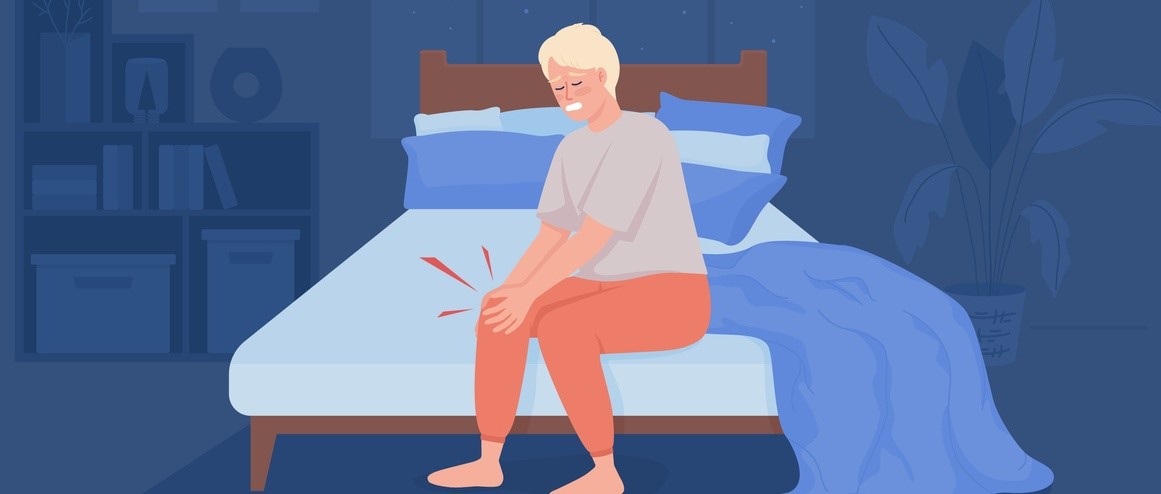
Qual è la differenza tra l'artrosi e l'artrite reumatoide?
Revisione paritaria di Dr Krishna Vakharia, MRCGPAutore Amberley DavisPubblicato originariamente 6 Apr 2023
Rispetta le linee guida editoriali
- ScaricaScarica
- Condividi
- Language
- Discussione
- Versione audio
- Aggiungi alle fonti preferite su Google
I tipi più comuni di artrite sono l'osteoartrite e l'artrite reumatoide. La prima è causata dall'usura delle articolazioni, mentre la seconda è una malattia autoimmune che colpisce articolazioni altrimenti sane. Come puoi distinguerle?
Forms of arthritis
Around 10 million UK adults are limited by the effects of artrite in their day-to-day lives1. Arthritis means inflammation of a joint. Your joints allow movement where two bones meet - including your fingers, elbows, knees, and hips - and so arthritis affects how you move, alongside other symptoms.
With more than 100 types of arthritis in existence, knowing how to spot the difference can help get you the right diagnosis and treatment.
The most common types of arthritis are:
Rheumatoid arthritis (RA) and Osteoarthritis (OA) are the two most common forms of arthritis2. However, osteoarthritis is the most common by a long way, affecting around ten times as many people as rheumatoid arthritis.
The difference between osteoarthritis and rheumatoid arthritis
OA and RA may both cause joint pain, but they have many different characteristics. Here's how to tell them apart.
What's the cause?
OA: caused by wear and tear of joints.
The joining bones in your joints are coated in protective cartilage and a fluid called synovium which allows these bones to move together. In osteoarthritis, the movement between your bones wears these substances down over time. This gradually makes joints more painful and difficult to move.
RA: when your immune system attacks healthy tissue in your joints.
Your immune system mistakenly attacks the healthy synovium fluid that coats your joints. This causes inflammation in your joints, which can eventually lead to permanent damage, pain, and difficulty with movement.
Where in the body?
OA: usually affects one set of joints. It often begins on one side of your body but can spread to the other side. Osteoarthritis can affect any of your joints, but is most common in the ones that get used the most, such as your:
Knees.
Fianchi.
Mani.
Fingers and thumbs.
Lower spine.
RA: usually affects joints that are parallel on both sides of your body and the smaller joints, such as those in your hands or your feet. Like osteoarthritis, any joint can be affected, but rheumatoid arthritis is most common in your:
Fingers and thumbs.
Polsi.
Ankles.
Feet.
RA may also affect your internal organs, including your:
Cuore.
Fegato.
Occhi.
Quali sono i sintomi?
Symptoms in your joints:
OA | AR |
Develop gradually, usually over years. | Develop quite quickly, usually over weeks or months. |
Tend to begin on one side of your body in just one set of joints - but they may also spread to the other side. | Tend to be evenly matched on both sides of your body - for example, in both hands or both feet. |
Painful joints. | Painful joints. |
Tenderness in the joints. | Tenderness in the joints. |
Stiffness in the joints - usually lasts less than one hour in the morning and returns at the end of the day or after activity. | Stiffness in the joints - usually lasts more than one hour in the morning and returns at the end of the day or after a long period of rest. |
Little to no swelling. | Swollen and red joints. |
In osteoarthritis, there are no other symptoms outside of the joints. However, with rheumatoid arthritis, you may also experience other symptoms, including:
Small painless lumps - usually over your forearms and elbows.
Sensazione di stanchezza tutto il tempo.
A general feeling of being ill.
Una temperatura elevata (febbre).
Perdita di peso inspiegabile.
Dolori e dolori muscolari.
What genetic and environmental factors?
OA is linked to:
Joint injury or overuse.
Age - most often develops in people over 50 years old, although secondary osteoarthritis, which is brought on by injury or damage, can occur in younger people.
Sex - women are more likely to develop OA than men.
Body weight - excess weight puts more stress on your joints, especially weight-bearing joints like your knees and hips.
Genetics - having a family history of OA may make it more likely to develop it, although the risk is low.
RA is linked to:
Never giving birth or never breastfeeding - puts women at greater risk than women who have.
Fumo.
Age - most often develops in people between 30 and 50 years old, but can affect people at any age.
Sex - women are more likely to develop RA than men.
Body weight - being obese increases your risk of RA.
Genetics - there's evidence that RA can run in families.
How is it managed?
There is no cure for osteoarthritis or rheumatoid arthritis, so treatment for both aims to ease symptoms, make daily life more manageable, and prevent further joint damage where possible.
OA: Several lifestyle changes and therapies can help to improve symptoms. These include: regular physical activity that's gentle on joints, muscle-strengthening exercises to support joints, una perdita di peso sana, fisioterapia, prescription medications, over-the-counter pain relief drugs, and supportive equipment such as canes or crutches. If these treatments don’t make enough of a difference, your doctor may recommend surgery to replace your joints with artificial ones.
RA: special medications - called disease-modifying antirheumatic drugs (DMARDs) and biological response modifiers - may help slow the disease and prevent further joint damage. In addition to these drugs, people with rheumatoid arthritis can also self-manage their symptoms using many of the same therapies for osteoarthritis. Of these, healthy weight loss and regular, joint-protecting exercise are the most important.
Ulteriori letture
Scelte del paziente per Artrite

Ossa, articolazioni e muscoli
I migliori esercizi da provare se si ha l'artrite
Intraprendere un programma di esercizi può sembrare scoraggiante per chiunque, ma può essere particolarmente vero per le persone con artrite. Se vivi con affaticamento, dolore e rigidità, potresti temere che l'attività fisica possa peggiorare i tuoi sintomi o danneggiare le tue articolazioni. Tuttavia, stabilire una routine di esercizi appropriata è in realtà una delle migliori cose che puoi fare. Può aiutarti a gestire meglio il dolore, aumentare i livelli di energia, ridurre l'affaticamento e migliorare il benessere psicologico. Inoltre, può aiutarti a raggiungere e mantenere un peso sano, riducendo lo sforzo sulle articolazioni.
di Abi Millar
Ossa, articolazioni e muscoli
Com'è davvero vivere con la gotta
Nessuno sa davvero come ci si sente con una condizione finché non la vive in prima persona. Questo vale per la professione medica tanto quanto per chiunque altro, con il vantaggio aggiuntivo che i medici che hanno 'vissuto l'esperienza' sono in una buona posizione per empatizzare con altri membri del Club della Gotta. Ecco la storia della mia vita con la gotta, alcuni consigli degli esperti e uno sguardo verso il futuro.
di Dr Laurence Knott
Informazioni sull'autoreVisualizza il profilo completo

Amberley Davis
Scrittore senior
BA (Hons), CPD
Amberley è una scrittrice senior presso Patient e ha scritto ampiamente su una gamma di argomenti relativi alla salute e al benessere.
Informazioni sul recensoreVisualizza il profilo completo

Dr Krishna Vakharia, MRCGP
Direttore Sanitario per la Salute, Optum UK
MBChB, MRCGP(2013), BMedSci (hons), DFSRH, DRCOG, PGDipDerm (Distn)
La Dott.ssa Krishna Vakharia è un medico di base del NHS. È anche un'esaminatrice regolare per il Diploma post-laurea in Dermatologia Pratica presso l'Università di Cardiff, oltre ad essere il Direttore Medico per la salute presso Optum UK.
Storia dell'articolo
Le informazioni su questa pagina sono revisionate da clinici qualificati.
Articolo disponibile anche in Inglese, Tedesco, Spagnolo, Francese, Italiano, Portoghese, Hindi, Ebraico, Arabo, and Svedese.
6 Apr 2023 | Pubblicato originariamente
Autore:
Amberley DavisRevisione paritaria di
Dr Krishna Vakharia, MRCGP

Chiedi, condividi, connettiti.
Esplora le discussioni, fai domande e condividi esperienze su centinaia di argomenti di salute.

Non ti senti bene?
Valuta i tuoi sintomi online gratuitamente
Iscriviti alla newsletter di Patient
La tua dose settimanale di consigli sulla salute chiari e affidabili - scritti per aiutarti a sentirti informato, sicuro e in controllo.
Abbonandoti accetti i nostri Informativa sulla Privacy. Puoi annullare l'iscrizione in qualsiasi momento. Non vendiamo mai i tuoi dati.
Più su ossa, articolazioni e muscoli
- Mal di schiena: è stress o un infortunio?
- Cattiva postura: come sconfiggere il 'crollo da COVID'
- NuovoHo bisogno di una risonanza magnetica per il mio mal di schiena?
- Attività quotidiane che possono causare mal di schiena
- Dieta per la gotta: cibi da mangiare e da evitare
- Come alleviare il dolore articolare durante la menopausa
- Come alleviare il dolore sciatico
- Come trattare il dolore al collo
- Correre fa male alle ginocchia?
- Salute del ginocchio: come prevenire le lesioni al ginocchio
- Dolore al ginocchio che non passa: quando è il momento di fare una scansione?
- Vivere con la fibromialgia - La storia di Jenny
- Rimedi naturali per alleviare il dolore articolare
- Fare la spesa al supermercato per alimenti che aiutano le articolazioni rigide e doloranti
- I migliori esercizi da provare se si ha l'artrite
- Video: Esercizi di recupero dopo la sostituzione del ginocchio
- Quali alimenti sono buoni per l'artrite?
- Quali forniture sono necessarie per un kit di pronto soccorso sportivo?
- Perché la fibromialgia è così fraintesa?