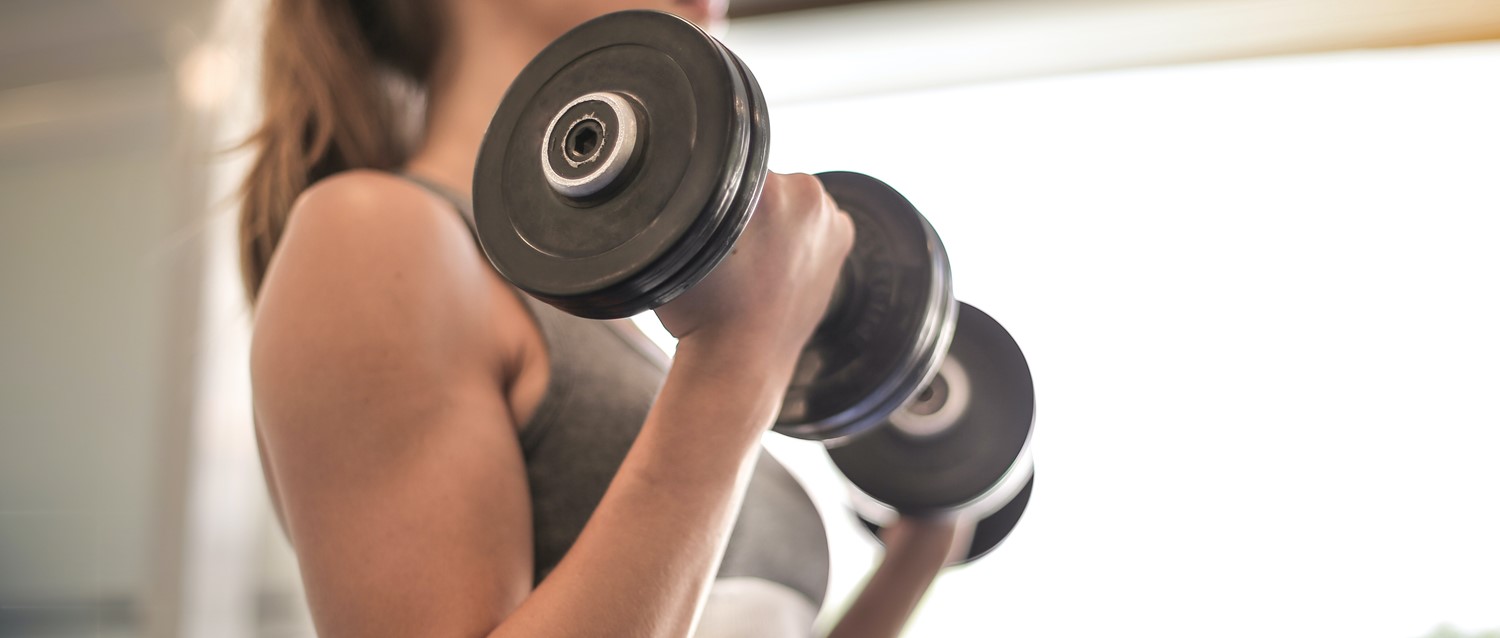
How much protein do you need to build muscle?
Revisione paritaria di Dr Sarah Jarvis MBE, FRCGPUltimo aggiornamento di Amberley DavisUltimo aggiornamento 9 Nov 2021
Rispetta le linee guida editoriali
- ScaricaScarica
- Condividi
- Language
- Discussione
- Versione audio
If you wish to build muscle, there is no escaping the importance of protein. Why do we need protein to build muscle, and how much protein intake do we need to maximise muscle gain?
In questo articolo:
Video consigliati per Nutrizione
Continua a leggere sotto
Protein for muscle gain
Many studies have made clear the potential muscle-building benefits achieved by consuming more protein. For example, one 2018 study found that an increased intake of protein leads to greater muscle mass gains when coupled with resistance training exercises. Other studi have also linked higher protein consumption with an improvement in muscle mass preservation.
Increasing your protein intake can be an effective way to help you gain more muscle mass - but only if you also have a muscle-building fitness routine and eat a balanced diet.
Why do we need protein for muscle growth?
Torna ai contenutiProtein is a macronutrient - a nutrient we need in larger quantities - that is made up of essential amino acids. These amino acids are important building blocks for our bodies' cells and tissues, including muscle mass.
Our bodies are constantly building, maintaining, and repairing tissue. If we don't consume enough protein then amino acids that are stored in our muscle tissue will be 'stolen' in order to meet these needs elsewhere, which over time causes perdita di massa muscolare.
Amino acids are also used for muscle protein synthesis (MPS), repairing and maintaining muscles after strenuous activity that causes micro-tears in our muscles. This is a natural process that happens when we exercise our muscles, and in turn it can lead to stronger muscles that are better adapted to the type of training that caused the tears.
MPS is the reason why both strength training and protein are crucial for building muscle mass. If your goal is to gain muscle, you need to be consuming more protein than your body is breaking down.
Continua a leggere sotto
How much protein do you need to gain muscle?
Torna ai contenutiIl recommended daily intake of protein is 45-55 g, or around 0.8 g per kilogram (kg) of body weight. However, it is important to remember that this is defined as the minimum amount of protein you should consume in order to prevent muscle loss, rather than the recommended maximum intake.
As such, if you are an adult whose goal is to build up muscle mass through exercise, then this intake is unlikely to be enough (although it should also be noted that the estimated 45-55 g doesn't take age, height, or weight into account). Reema Patel, registered dietitian at Dietitian Fit says:
"It is highly dependent on the individual, but if you are regularly doing resistance/weight-based training, between 1.2-2 g of protein per kg of body weight per day is a good guideline to work towards."
Many recent studi support this recommendation, with the optimum amount of protein for muscle-building appearing be around 1.8 g and 2 g per kg of body weight, which is the amount that most professional athletes aim to consume.
If you are following an intense exercise regime, you may want to consider consuming around 2 g per kg on a daily basis for the first 12 weeks of training. During this time, your body is most hard at work, breaking down muscle fibres, repairing micro-tears, and creating new structures in order to adapt to your exercise routine.
After this period, you might want to reduce your protein intake slightly to between 1.2 g and 1.6 g per kg. This is because your body is unlikely to need quite as much after it becomes more used to the muscle damage that your exercise routine is regularly inflicting.
Calculating your protein intake
As every individual is built differently, you can tailor your daily protein intake based on your weight. Better yet, knowing your body-fat percentage will allow you to calculate the protein needed per kg of lean body mass, which is a more accurate measurement.
There are many body-fat percentage calculators to help you do this. After calculating your body-fat percentage, you will need to subtract this number from your overall weight to work out your lean body mass percentage. If your aim is to build lean muscle, then it is recommended that you aim to consume around 2 g of protein per kg of lean body mass. Using a body mass index (BMI) calculator is also a useful tool for checking that you are at a healthy weight in relation to your height.
This said, for the most personalised and expert advice, Patel recommends booking a consultation with a registered dietitian who specialises in sports nutrition.
Sources of high-protein foods
Torna ai contenutiIt is possible to get enough protein for muscle gain by eating a balanced, healthy diet with plenty of protein-rich foods. You should aim to have a source of protein in most of your meals in order to optimise muscle gain. Healthy sources of protein include:
Poultry such as chicken.
Legumes such as beans, lentils and peas.
Oily fish such as mackerel and salmon.
Dairy products such as cheese, yoghurt and milk.
Lean meat.
Uova.
Plant-based meat alternatives such as tofu and tempeh.
Protein supplements have also been proven to support muscle-building. However, they should be taken in addition to - and not as a substitute for - a protein-rich diet. While some studi have found that whey protein is absorbed faster than food protein, muscles can only handle around 25-35 g of protein at a time. In reality, any excess protein from an overload in protein shakes will be used by the body, but not for muscle tissue.
Continua a leggere sotto
Other factors integral to muscle gain
Torna ai contenutiIt's worth reiterating that consuming the optimum amount of protein per day will only help you to build muscle when integrated with a regular strength/resistance exercise routine. It is also important to factor in adequate rest time, as this is when the maintainance, repairing and strengthening of muscles occurs through the process of MPS.
Likewise, you can follow the strictest exercise routine, but if you're not getting at least seven hours of sonno every night, all that hard work may be going to waste. Not giving your body enough time to recover can have a big impact on muscle growth.
The time that you choose to consume protein can also positively influence muscle gain. Taking protein both before and after exercise may improve and support the MPS process.
Scelte dei pazienti per Nutrizione
Dieta e nutrizione
8 benefici del tè matcha
Brad Pitt lo beve al posto dell'alcol, Gwyneth Paltrow lo spalma sul viso e Dean di The Apprentice lo chiama la sua bevanda preferita. Ma ci sono davvero benefici per la salute nel tè matcha? Esaminiamo cosa contiene il tè matcha e le prove di ciò che può fare per il tuo corpo e la tua mente.
di Victoria Raw
Dieta e nutrizione
Quali sono i benefici per la salute del cibo piccante?
Consumare cibi piccanti potrebbe avere benefici oltre al loro sapore - potrebbe anche essere benefico per la tua salute. Scopriamo se aggiungere un tocco di piccante ai tuoi pasti può migliorare il tuo benessere.
di Victoria Raw
Continua a leggere sotto
Storia dell'articolo
Le informazioni su questa pagina sono revisionate da clinici qualificati.
9 Nov 2021 | Ultima versione
9 Nov 2021 | Pubblicato originariamente

Chiedi, condividi, connettiti.
Esplora le discussioni, fai domande e condividi esperienze su centinaia di argomenti di salute.

Non ti senti bene?
Valuta i tuoi sintomi online gratuitamente
Iscriviti alla newsletter di Patient
La tua dose settimanale di consigli sulla salute chiari e affidabili - scritti per aiutarti a sentirti informato, sicuro e in controllo.
Abbonandoti accetti il nostro Informativa sulla Privacy. Puoi annullare l'iscrizione in qualsiasi momento. Non vendiamo mai i tuoi dati.