What are the health benefits of spicy food?
Peer reviewed by Dr Krishna Vakharia, MRCGPAuthored by Victoria RawOriginally published 1 Aug 2024
Meets Patient’s editorial guidelines
- DownloadDownload
- Share
- Language
- Discussion
- Audio Version
- Add to preferred sources on Google
Eating spicy food might have benefits beyond its taste - it could also be good for your health. Let's dig in and find out whether adding a kick to your meals can boost your wellbeing.
Herbs and spices have been used to inject flavour, aroma and colour to our food and drinks since time eternal. However, beyond their ability to add life to your favourite dishes, they may also have some health perks.
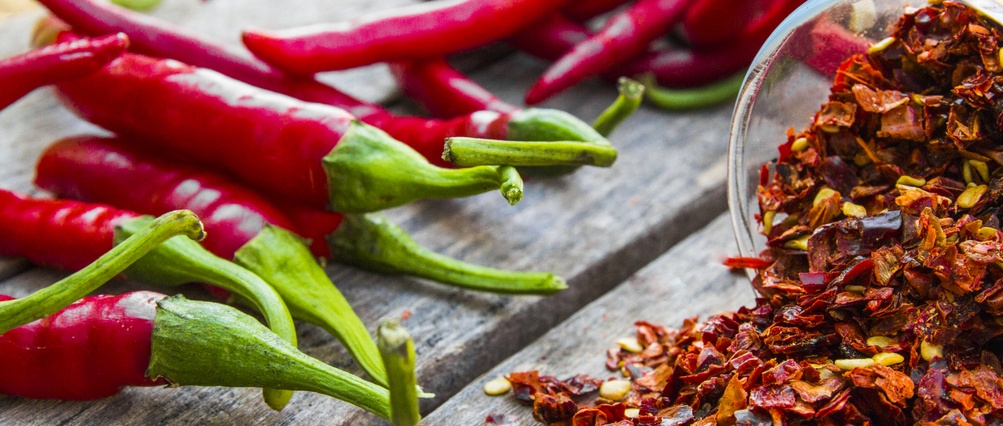
Chilli peppers are rich in healthy compounds such as:
Vitamins: Vitamin C, A, B6 and K.
Minerals: Calcium, magnesium, folate, potassium, thiamine, iron, copper.
Capsaicin: Responsible for the heat in certain peppers.
Capsaicin is also found inside some spices made from chilli peppers. Not all spices contain capsaicin - however, if your food tastes spicy, it very likely does.
Some common plants and spices containing capsaicin include:
Chilli peppers - for example, cayenne, jalapeno, habanero.
Cayenne pepper - ground from cayenne peppers and added to food.
Bell peppers - contain small amounts of capsaicin.
Paprika - made from various red peppers, including chilli peppers.
What are the potential benefits of spicy food?
Heart disease management and prevention specialist, Michelle Routhenstein, Entirely Nourished, says: "The capsaicin in chilli peppers could offer benefits such as boosting metabolism, reducing pain, delivering antioxidants, and supporting digestion."
Eating chilli peppers may also be linked to benefits such as1:
Lowering your chance of developing high blood pressure, heart disease and type 2 diabetes.
Fighting harmful microbes.
Reducing inflammation.
Does spicy food support heart health?
Capsaicin may offer some health benefits for your heart.
Shelley Balls, a registered dietitian and nutritionist based in Wyoming, USA, says that eating chilli peppers may improve heart health as they are a good source of vitamins A and C - which can increase blood flow.
A review of all the studies involving spicy chilli food which, when pooled, consisted of more than 500,000 people - followed for nearly ten years - found that those who regularly ate spicy food had a 12% lower chance of death from any cause compared to those who rarely or never ate spicy food. This effect seemed strongest for heart disease2.
Does spicy food improve gut health?
There's growing evidence that capsaicin consumption can boost metabolism.
Balls says: "Eating spicy foods can help maintain a healthy and diverse gut microbiome. They trigger the release of endorphins, which can help relieve stress - aiding in gut health."
However, she also warns that if you have the following conditions, eating spicy food may make your symptoms worse.
Heartburn.
Crohn's disease.
Routhenstein adds: "Spicy foods can boost saliva, gastric juices, and bile - helping digestion and nutrient absorption. But for some, they might worsen acid reflux - when your stomach acid flows back up into your oesophagus - so it's best to enjoy them in moderation."
Does eating spicy food make you live longer?
Although there's evidence to suggest that eating spicy food has long-term health benefits, stronger - less observational - research is needed to confirm these connections. The effects of spicy food also differ from person to person.
Routhenstein explains: "Spicy foods do not directly increase longevity, but may indirectly support overall health through benefits such as promoting heart health, reducing inflammation, and boosting metabolism."
According to Balls, spicy foods - such as chilli peppers - contain antioxidants and have anti-inflammatory properties which can help lower rates of death from heart disease, cancer, and all-cause mortality.
What other spicy foods are potentially healthy?
As explained, not all spices contain capsaicin. If you're not a fan of higher spicy heat levels, there are other ways to add depth to your meals.
Routhenstein explains that some milder, everyday spices can offer potential health perks. These include:
Turmeric - may have anti-inflammatory and antioxidant properties.
Ginger - may be good for fighting infections and soothing nausea.
Cinnamon - may have anticancer effects.
Black pepper - may be good for your digestion, and absorbing nutrients.
Cumin - may help improve gut health.
The health effects of spices also depend on what you eat with them.
Balls advises: "Stuffing your jalapeno with cream cheese and wrapping it in bacon isn't as healthy as adding minced jalapeno to soups, or mixing it with quinoa, or rice pilaf. Shop-bought hot sauces also usually contain quite a bit of sodium and sugar - so always read the label.
"When it comes to which spicy foods are healthiest, it really depends on your eating pattern. Including spicy foods in a diet rich in whole grains, fruits, vegetables, and legumes will benefit your wellbeing the most."
Further reading
Patient picks for Nutrition

Diet and nutrition
How much protein do you need to build muscle?
If you wish to build muscle, there is no escaping the importance of protein. Why do we need protein to build muscle, and how much protein intake do we need to maximise muscle gain?
by Amberley Davis

Diet and nutrition
Are pumpkin seeds good for you?
Pumpkin seeds aren't just for Halloween. While they might remind you of carving autumn jack-o'-lanterns, many people enjoy them year-round for their health benefits. Let’s take a closer look at what pumpkin seeds have to offer and see if they deserve a permanent spot in your diet.
by Victoria Raw
About the authorView full bio
Authored by

Victoria Raw
Feature Writer
BA (Hons), English Literature
Victoria is a content writer at Patient, with special interests spanning mental wellbeing, societal trends and the impact of technology on our health.
About the reviewerView full bio

Dr Krishna Vakharia, MRCGP
Chief Medical Officer for Health, Optum UK
MBChB, MRCGP(2013), BMedSci (hons), DFSRH, DRCOG, PGDipDerm (Distn)
Dr Krishna Vakharia is an NHS GP. She is also a regular examiner for the postgraduate Diploma in Practical Dermatology at Cardiff University as well as being the Chief Medical Officer for health at Optum UK.
Article history
Article also available in English, German, Spanish, French, Italian, Portuguese, Hindi, Hebrew, Arabic, and Swedish.
Next review due: 1 Aug 2027
1 Aug 2024 | Originally published
Authored by:
Victoria RawPeer reviewed by
Dr Krishna Vakharia, MRCGP
Join the conversation
Share your thoughts or experiences with others in our patient communities.

Ask, share, connect.
Browse discussions, ask questions, and share experiences across hundreds of health topics.

Feeling unwell?
Assess your symptoms online for free
Sign up to the Patient newsletter
Your weekly dose of clear, trustworthy health advice - written to help you feel informed, confident and in control.
By subscribing you accept our Privacy Policy. You can unsubscribe at any time. We never sell your data.