Ectropion
Peer reviewed by Dr Doug McKechnie, MRCGPLast updated by Dr Colin Tidy, MRCGPLast updated 19 Dec 2024
Meets Patient’s editorial guidelines
- DownloadDownload
- Share
- Language
- Discussion
- Audio Version
- Add to preferred sources on Google
Ectropion is a condition in which part or all of the lower eyelid turns outwards away from the eye. There are various causes but the most common cause is an ageing effect of the eyelid that occurs in some older people. A straightforward operation can usually cure the problem.
Key points
Ectropion is an eye condition where the lower eyelid turns outward, exposing the inner eyelid surface and affecting tear drainage.
It is mainly caused by ageing and laxity in the eyelid, but it can also result from facial paralysis, scarring, injury, or eyelid surgery.
Common symptoms include watery eyes, irritation, redness, and exposure of the eye’s surface, which may lead to damage if untreated.
Treatment involves using lubricating eye drops or ointments, but surgery may be needed to tighten or reposition the eyelid and protect the eye.
What is an ectropion?
Eye with ectropion
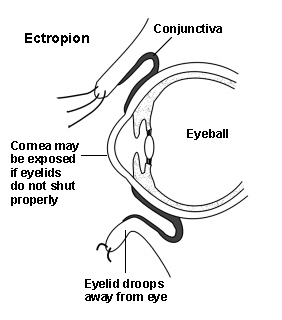
When part or all of the lower eyelid turns outwards away from the eye, the condition is known as an ectropion. Someone looking at you might be able to see part of the pink inner surfaces of the eyes
What causes an ectropion?
An eye ectropion mainly occurs in older people. It is thought that the small eyelid muscles around the eye become weak with ageing. In most cases there is no other underlying problem. Additional images of the condition can be found under Further Reading and References below.
An ectropion may also be caused by any condition that causes scarring of the eyelid or near the eyelid. For example, a burn, infection, tumour or injury to the eyelid.
Any condition that causes weakness of the facial nerves and muscles, including facial paralysis, may also affect the eyelid and cause an ectropion.
Ectropion symptoms
Symptoms of ectropion include:
One eye alone may be affected, although age-related ectropion most commonly affects both eyes.
The inner lining of the eyelid that droops forward may become dry and sore.
In severe ectropion the whole length of the eyelid may turn outwards; milder cases may just involve part of the lid.
The affected eye might have excessive tearing to protect the surface (cornea) of the eye and keep the eye lubricated, so the eye may become constantly watery.
The part of the eyelid next to the nose usually droops the most. This is next to the tear duct where tears normally drain into the nose. Tears may roll off the drooping part of the eyelid.
Damaged cornea. The cornea is the transparent front part of the eye. The eyes may not close properly if you have an ectropion. Therefore, the cornea is not fully protected and can become dry and sore. A corneal ulcer may develop. As the cornea is vital for vision, this can affect your eyesight.
When to see a doctor about ectropion
You should see a doctor if you think you have ectropion. If necessary, your GP will refer you to an eye specialist (ophthalmologist) for further assessment and treatment.
If your eye is very red and painful or you have reduced vision or sensitivity to light, you should contact a GP or NHS 111 immediately, or go to your nearest hospital A&E department.
Ectropion treatment
Treatment for ectropion depends on the severity and the underlying cause.
Mild ectropion may not need any treatment.
Minor problems with an ectropion may respond to simple measures such as eye drops or eye ointment to help reduce irritation.
It's also best to avoid rubbing or wiping your eyes as far as you can.
Antibiotic eye drops may be needed for any episodes of infective conjunctivitis.
For severe ectropion, an operation will be recommended:
Ectropion surgery aims to tighten the skin and muscles around the eyelid. The operation may be done using local anaesthetic to numb the eyelid, and a mild sedative to help you relax.
The type of eyelid surgery you have depends on the condition of the tissue surrounding your eyelid and on the cause of your ectropion:
Ectropion caused by aging. Your surgeon will remove a small part of your lower eyelid at the outer edge. When the lid is stitched together, the tendons and muscles of the lid will be tightened, causing the lid to rest properly on the eye.
Ectropion caused by scar tissue from injury or previous surgery may require a skin graft to help support the lower lid. Some patients with facial paralysis or significant scarring need a second procedure to completely correct your ectropion.
If you cannot shut your eye properly then you may be prescribed some lubricating eye ointment to help protect the cornea. You may also be advised to tape the lower and upper eyelids together overnight to protect your cornea when you are asleep.
If your ectropion causes watery eyes, when wiping your eyelids do it in a direction up and in (towards the nose). This prevents you from pulling the eyelid downward and making the ectropion worse.
Complications with ectropion
An ectropion may interfere with the drainage of tears, which can make the eyes more vulnerable to bacterial infections (eg, infective conjunctivitis).
If you have a severe and untreated ectropion, you may develop a corneal ulcer (an ulcer on the surface of the eye). A corneal ulcer may affect your vision.
Can you prevent ectropion?
It is often not possible to prevent an ectropion but if the ectropion has been caused by a condition that causes scarring of the eyelid or near the eyelid (eg, burn, infection, tumour or injury), then early and effective treatment of the potential cause may help to prevent an ectropion from developing.
Frequently asked questions
Is ectropion serious?
Ectropion isn’t usually serious, but it can cause discomfort, watery eyes, and irritation if left untreated. In some cases, it may lead to infection or damage to the eye’s surface, so medical advice is recommended.
Does ectropion go away on its own?
Ectropion usually doesn’t go away on its own. Mild cases may improve with lubricating eye drops or ointments, but more severe cases often need minor surgery to correct the eyelid position.
Dr Mary Lowth is an author or the original author of this leaflet.
Patient picks for Eyelid problems
Eye health
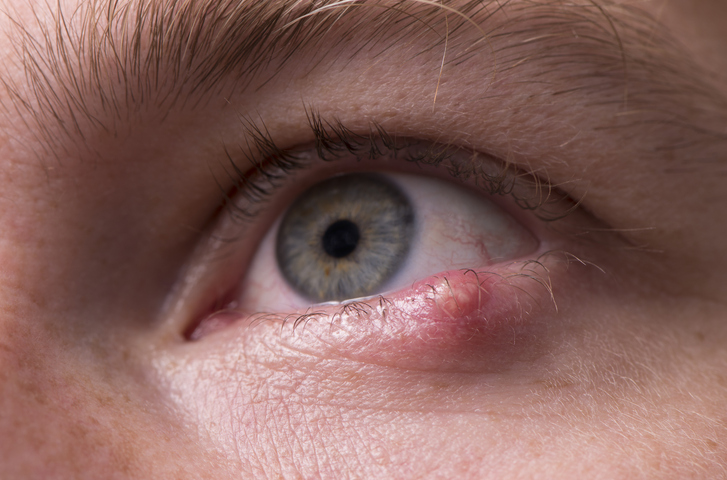
Stye
A stye is a small painful red lump on the edge of the eyelid. Most styes get better on their own and do not need medical treatment. Hot compresses can ease the pain and encourage the stye to burst.
by Dr Hayley Willacy, FRCGP
Eye health
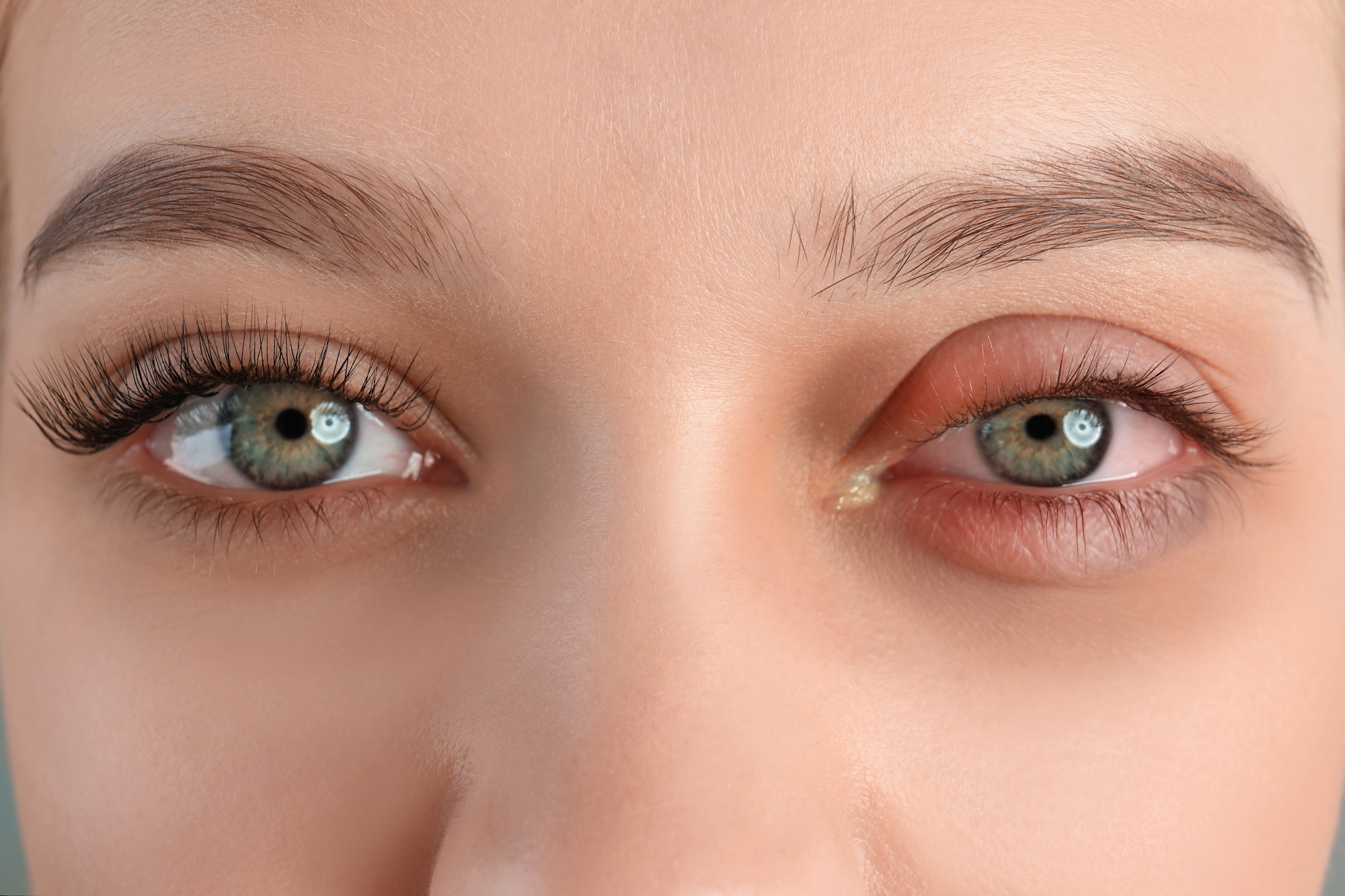
Swollen eyelid
A swollen eyelid is very common and is usually due to allergy, inflammation, infection, or injury. It can affect either the upper or lower eyelid, or both.
by Dr Caroline Wiggins, MRCGP
Further reading and references
- Bergstrom R, Czyz CN; Ectropion Lower Eyelid Reconstruction. StatPearls, May 2023.
- Guthrie AJ, Kadakia P, Rosenberg J; Eyelid Malposition Repair: A Review of the Literature and Current Techniques. Semin Plast Surg. 2019 May;33(2):92-102. doi: 10.1055/s-0039-1685473. Epub 2019 Apr 26.
- Borrelli M, Geerling G; Current concepts of ocular adnexal surgery. GMS Interdiscip Plast Reconstr Surg DGPW. 2013 Feb 27;2:Doc06. doi: 10.3205/iprs000026. eCollection 2013.
About the authorView full bio

Dr Colin Tidy, MRCGP
General Practitioner, Medical Author
MBBS, MRCGP, MRCP (Paediatrics), DCH
Dr Colin Tidy is an NHS Doctor, based in Oxfordshire.
About the reviewerView full bio

Dr Doug McKechnie, MRCGP
Medical Writer
MA, MBBS, MSc, DRCOG, MRCP(UK), MRCGP(2021), FHEA
Dr Doug McKechnie is an NHS GP working in London. He works full-time clinically and is also the Deputy Lead for the Clinical and Professional Practice module at University College London Medical School.
Article history
Article also available in English, German, Spanish, French, Italian, Portuguese, Hindi, Hebrew, Arabic, and Swedish.
Next review due: 18 Dec 2027
19 Dec 2024 | Latest version
Join the conversation
Share your thoughts or experiences with others in our patient communities.

Ask, share, connect.
Browse discussions, ask questions, and share experiences across hundreds of health topics.

Feeling unwell?
Assess your symptoms online for free
Sign up to the Patient newsletter
Your weekly dose of clear, trustworthy health advice - written to help you feel informed, confident and in control.
By subscribing you accept our Privacy Policy. You can unsubscribe at any time. We never sell your data.
More in eye health
- Allergic conjunctivitis
- Amblyopia (lazy eye)
- Astigmatism
- Blepharospasm
- Cataracts
- Charles Bonnet syndrome
- Contact lenses
- Corneal injury and foreign bodies
- Episcleritis and scleritis
- Eye infection (herpes simplex)
- House dust mite and pet allergy
- Hypermetropia
- Idiopathic intracranial hypertension
- Infective conjunctivitis
- Retinal artery occlusion
- Retinal detachment
- Retinal vein occlusion
- Retinoblastoma
- Stye
- Watering eyes