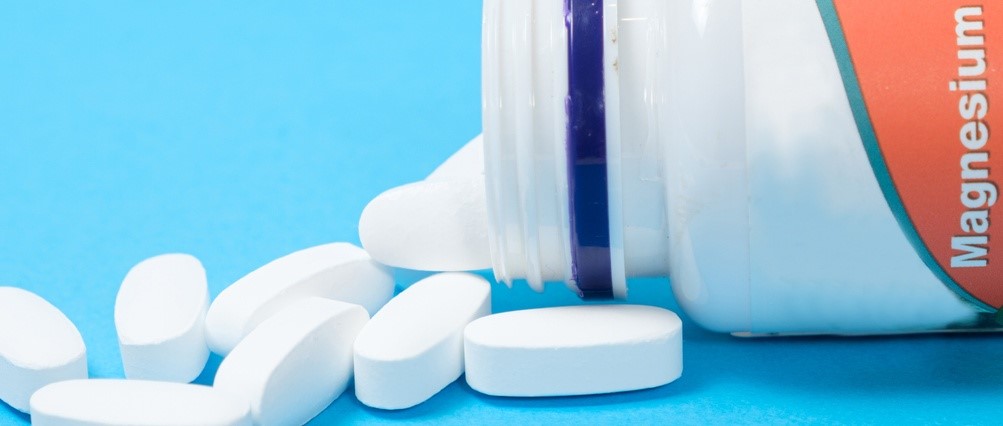
Il magnesio può aiutare con l'ansia?
Revisione paritaria di Dr Krishna Vakharia, MRCGPUltimo aggiornamento di Lydia SmithUltimo aggiornamento 12 Dec 2023
Rispetta le linee guida editoriali
- ScaricaScarica
- Condividi
- Language
- Discussione
- Ask Patient
- Versione audio
- Aggiungi alle fonti preferite su Google
TikTok è pieno di affermazioni sui benefici per la salute del magnesio, incluso il fatto che possa aiutare ad alleviare l'ansia - qualcosa con cui molti di noi lottano, specialmente durante il periodo natalizio. Poiché l'ansia è così comune, è comprensibile che le persone si rivolgano a diversi metodi per affrontarla. Ma le affermazioni fatte sui social media sono supportate dalla scienza?
Supporto per la salute mentale di adulti e bambini
Terapia cognitivo-comportamentale (CBT) e psicoterapia online per adulti e bambini dagli 8 ai 17 anni. I professionisti accreditati di Onebright supportano le persone che affrontano ansia, depressione e altre difficoltà emotive.
Does magnesium help reduce anxiety?
Magnesio is an essential mineral found in the body. It plays an important role in helping parts of the body run smoothly, including the heart, bones, muscles and nerves.
It also supports the neurological mechanisms that, when not working properly, may contribute to the development of mental health issues like depression and anxiety1. For example, magnesium helps to regulate neurotransmitters, which sends messages throughout the brain and body.
Magnesium may also be beneficial because it affects the levels of cortisol, a stress hormone, in the body. Lowering cortisol may help to relieve stress and anxiety2.
Some studies have found a link between magnesium and anxiety, but the research is mixed. A systematic review of 32 studies found that people with depression and other psychiatric conditions, like ansia e disturbo ossessivo compulsivo, were more likely to have lower magnesium levels3. It also found that magnesium had some benefits on mild depression and anxiety, but not disturbo d'ansia generalizzato or panic disorder.
A separate review of research papers found that magnesium supplementation - for example, taking magnesium in the form of capsules - appeared to ease symptoms of mild anxiety and anxiety linked to sindrome premestruale4. According to the researchers, this may be because magnesium helps to improve brain function. However, they also highlighted that many of the studies they looked at were of poor quality - including being based on unreliable self-reporting - so better research involving controlled trials is needed.
Psychiatrist Gregory Scott Brown, an affiliate faculty member at the University of Texas Dell Medical School and author of The Self-Healing Mind, says that while there is some research looking into the relationship between magnesium and mental health, it hasn't proven anything. And as always, caution should be used when it comes to health advice on TikTok.
We need to be careful about getting medical advice from social media platforms, including TikTok because there's a lot of misinformation on these sites and the science isn't always accurately reflected," he says.
"It helps when the person on social media discussing a new medication or supplement has experience working with patients, is a qualified health professional, and has expertise in the field," he adds. "However, even in these cases, sometimes inaccurate information can spread broadly. Always discuss medications or supplements with your doctor when you can."
Can magnesium help improve sleep?
Research has found a connection between magnesium supplementation and sleep quality, but like the anxiety research, the studies don't show a cause-and-effect relationship. In other words, there may be a link, but it doesn't mean that taking magnesium will give you a better night's sleep.
One review found that magnesium may help people fall asleep slightly quicker, but didn't find that people slept any longer than normal5. Another study of 4,000 people found that taking magnesium led to a borderline improvement in sleep quality, but not in people with depression6.
What types of magnesium are available?
Magnesium is available in a variety of different types, some of which are more easily absorbed by the body than others.
Magnesium citrate
This type of magnesium, which is commonly found in supplements, is bound with citric acid. It is easily absorbed by the body via the digestive tract and is sometimes used to treat stipsi because it has a laxative effect.
Magnesium glycinate
Magnesium glycinate is formed by combining magnesium with the amino acid glycine. Research suggests that glycine may help improve sleep7.
Magnesium malate
This type combines magnesium with malic acid, which is found in fruits like rhubarb. Studies suggest it is more easily absorbed by the body than other supplements8.
Magnesium taurate
This type contains a combination of magnesium and taurine, an amino acid with anti-inflammatory properties.
Magnesium threonate
Magnesium threonate contains threonic acid, a compound that is produced from the breakdown of vitamin C.
What foods are high in magnesium?
Some good food sources of magnesium include: Almonds, avocados, bananas, breakfast cereals, brown rice, peanuts, leafy greens like spinach, beans, tuna and yoghurt.
How to treat anxiety
The two main treatments for anxiety are psicoterapia and medications. Some people may find the two work best in combination with each other, but it depends on the individual and their needs. If you are struggling with anxiety, you should speak to your doctor who can advise the best course of treatment for you.
Ulteriori letture
Scelte del paziente per Ansia
Salute mentale
Il legame tra ansia e insonnia
Non riuscire a dormire, che si tratti di non riuscire ad addormentarsi o di svegliarsi durante la notte, è incredibilmente frustrante - ma anche la sensazione di ansia che spesso l'accompagna può essere debilitante. L'insonnia è spesso attribuita all'ansia, poiché molti di noi rimuginano sulle preoccupazioni nel silenzio della notte. A sua volta, la mancanza di sonno ci rende esausti, irritabili e confusi, il che può peggiorare l'ansia durante il giorno. Quindi qual è la relazione tra i due - e quale innesca l'altro?
di Lydia Smith
Salute mentale
Esercizi di rilassamento
Gli esercizi di rilassamento muscolare e la respirazione profonda sono due modi per aiutare le persone a rilassarsi e combattere i sintomi dell'ansia. Possono anche aiutare ad alleviare i sintomi della depressione. Possono essere utilizzati insieme a tecniche di consapevolezza che si sono dimostrate utili per l'ansia e la depressione.
di Dr Jan Sambrook, MRCGP
Informazioni sull'autoreVisualizza il profilo completo
Aggiornato da

Lydia Smith
Scrittore di articoli
BA, MA, MSc
Lydia Smith è una giornalista pluripremiata e scrittrice di articoli che ha scritto ampiamente sulla salute delle donne e sulla salute mentale. Attualmente sta studiando per un MSc in psicologia.
Autore
Lydia Smith
Scrittore di articoli
BA, MA, MSc
Lydia Smith è una giornalista pluripremiata e scrittrice di articoli che ha scritto ampiamente sulla salute delle donne e sulla salute mentale. Attualmente sta studiando per un MSc in psicologia.
Informazioni sul recensoreVisualizza il profilo completo

Dr Krishna Vakharia, MRCGP
Direttore Sanitario per la Salute, Optum UK
MBChB, MRCGP(2013), BMedSci (hons), DFSRH, DRCOG, PGDipDerm (Distn)
La Dott.ssa Krishna Vakharia è un medico di base del NHS. È anche un'esaminatrice regolare per il Diploma post-laurea in Dermatologia Pratica presso l'Università di Cardiff, oltre ad essere il Direttore Medico per la salute presso Optum UK.
Storia dell'articolo
Articolo disponibile anche in Inglese, Tedesco, Spagnolo, Francese, Italiano, Portoghese, Hindi, Ebraico, Arabo, and Svedese.
12 Dec 2023 | Ultima versione
25 Set 2023 | Pubblicato originariamente
Autore:
Lydia Smith
Condividi i tuoi pensieri o esperienze con gli altri nel nostro comunità di pazienti.
Iscriviti alla newsletter di Patient
La tua dose settimanale di consigli sulla salute chiari e affidabili - scritti per aiutarti a sentirti informato, sicuro e in controllo.
Abbonandoti accetti i nostri Informativa sulla Privacy. Puoi annullare l'iscrizione in qualsiasi momento. Non vendiamo mai i tuoi dati.