
The impact of boredom on our health
Peer reviewed by Dr Sarah JarvisAuthored by Gillian HarveyOriginally published 10 Jul 2020
Meets Patient’s editorial guidelines
- DownloadDownload
- Share
- Language
- Discussion
- Audio Version
- Add to preferred sources on Google
In days gone by, many of us longed for a spare moment, or the chance to spend more time with the kids. However, in this time of restricted living, many children and adults are now missing their old pace of life. And some may be complaining of boredom.
Mental health support for adults and children
Online CBT and psychological therapy for adults and children aged 8–17. Onebright’s accredited clinicians support people experiencing anxiety, depression and other emotional challenges.
But is boredom really bad for us? Should we be looking for ways to relieve the frustration of having little to do? Or can it actually be a good thing?
Boredom and creativity
According to Dr Sandi Mann, author of 'The Science of Boredom', a degree of boredom can actually be a good thing. "When we're bored, it means our brain is searching for neural stimulation," she explains. "And it’s that search for neural stimulation that leads to the frustration and a lack of satisfaction that we label as boredom.
"My research suggests that some degree of boredom can be good for us - there are all sorts of documented benefits, but the most important one is probably creative - when we get bored it leads to an increase in creativity."
In fact, one of the issues we face today in a society full of entertainment options is that we don't often have the opportunity to be bored. "People don't have enough boredom in their lives. We constantly try to swipe and scroll the boredom away. This can actually lead us to feel more bored in the long run, because our tolerance for boredom is lowered," explains Mann.
Kids and boredom
Those of us with children at home will be all-too-familiar with complaints of boredom. As parents, these complaints can make us feel as if we're failing to support and educate our children. But boredom can actually be a positive experience in childhood. "When my kids complain of being bored, 'great!' is my response," explains Mann. "I see it as a sign of good parenting. We do need to let our kids get bored and see that as an opportunity - having real downtime where they have to 'unbore' themselves."
If this proves difficult for your children, it's a good idea to offer gentle support in the process. "We want our kids to learn to re-engage on their own without external support," says Baker. "Most children are lucky and have lots of activities to choose from. Offer them three things - don't make any of these options screen time, as it will always win! Give them a few minutes - depending on their age - and step away. Spark their imagination a little bit. Stick to the suggestion of three things. They may not choose one of them, but over time you are teaching them an amazingly useful skill."
Too much of a good thing?
Of course, too much boredom can also become negative. "It's possible to get so bored that you can almost fall into a hypnotic trance - for example, if you're binge-watching TV in a zoned-out state," explains therapist Sally Baker. "In this state, your breathing becomes shallower and it becomes impossible to engage. It's also a time when people tend to overeat because they're not really paying attention."
For some, being bored can exacerbate negative thought patterns. "In a period of extended boredom, we can also start to overthink," says Baker. "For people with unhelpful thinking styles - overthinkers, ruminators and catastrophic thinkers - this can result in becoming overwhelmed with circular thoughts. Unhelpful thoughts can be like a seed - if you give them more attention they will grow and grow."
Breaking state
If we find ourselves ruminating or if we realise we've been watching endless episodes of a TV show or scrolling mindlessly through social media, it’s important to 'break state'.
"If you're ruminating you need to interrupt your thoughts. You need to make yourself aware. When you catch yourself doing it, try making a noise - a bit like a game-show buzzer," Baker says. "If you're alone you can do it out loud, but if not you can always make the noise in your head to interrupt the negative thinking."
If you recognise you've been inactive, or haven't been engaging in the world, you can break state by moving, or making a change. "When you're in this state you lose the ability to access your inner resources, your ideas and imagination," explains Baker. "Go outside, open the window, stop sitting where you are - this will help you to break out of the bored state."
Physical impact
Boredom can also take its toll on our physical health, through lack of physical activity and lack of attention to our eating habits. So if you are spending too much time in a bored state, it's likely your physical condition will suffer. Taking part in physical activity - whether an exercise class on YouTube or a walk in the garden or park - will both relieve boredom and improve your fitness.
The good news is that those of us with busy lives who are used to the non-stop nature of daily living may benefit from a bit of additional down-time. It is only when we spend extended periods feeling bored, become inactive or spend too much time mindlessly scrolling in a bored state that we need to take note and make change.
Patient picks for Mental wellbeing

Mental health
What you need to know about parenting with a mental health issue
Managing a mental health condition can be complicated, and may be even more challenging for those also trying to raise a family. We look at ways to manage your mental health while also supporting your children.
by Gillian Harvey
Mental health
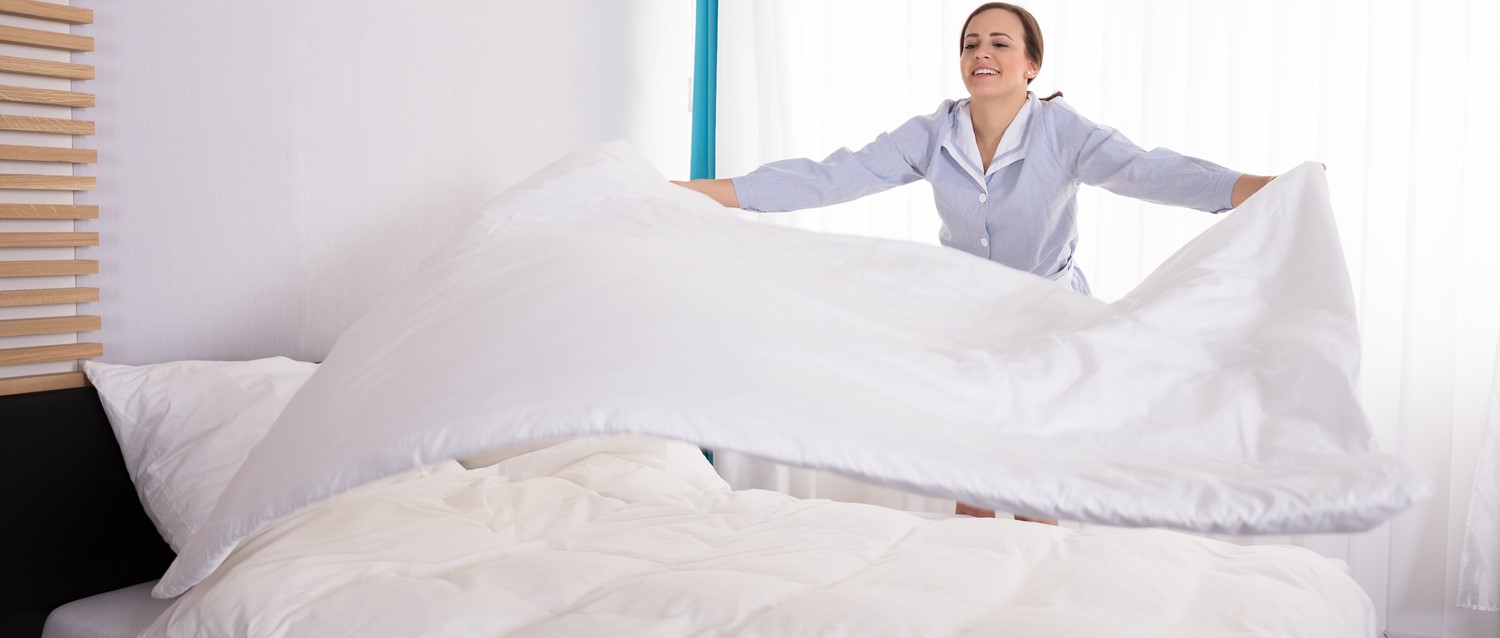
What are the mental health benefits of making your bed in the morning?
Making the bed in the morning is a simple task that many don't think twice about - perhaps it's the first thing you do after waking up. However, for others, making the bed can feel like a real challenge. If you're striving to adopt healthier habits, let's explore the benefits of making your bed.
by Emily Jane Bashforth
About the authorView full bio
Authored by

Gillian Harvey
Freelance Writer
BA (Hons) English
Gillian is a freelance writer and columnist for a variety of national newspapers and magazines.
About the reviewerView full bio

Dr Sarah Jarvis
Clinical Consultant
MA (Cantab), BM, BCh (Oxon), DRCOG, FRCGP, MBE
After training in medicine at Cambridge and Oxford, Dr Sarah Jarvis MBE became a GP.
Article history
Article also available in English, German, Spanish, French, Italian, Portuguese, Hindi, Hebrew, Arabic, and Swedish.
10 Jul 2020 | Originally published
Authored by:
Gillian HarveyPeer reviewed by
Dr Sarah Jarvis
Join the conversation
Share your thoughts or experiences with others in our patient communities.

Ask, share, connect.
Browse discussions, ask questions, and share experiences across hundreds of health topics.

Feeling unwell?
Assess your symptoms online for free
Sign up to the Patient newsletter
Your weekly dose of clear, trustworthy health advice - written to help you feel informed, confident and in control.
By subscribing you accept our Privacy Policy. You can unsubscribe at any time. We never sell your data.