
Video: How to reduce blood pressure
Peer reviewed by Dr Sarah JarvisAuthored by Dr Yassir Javaid, MRCGPOriginally published 2 Nov 2017
Meets Patient’s editorial guidelines
- DownloadDownload
- Share
- Language
- Discussion
- Audio Version
- Add to preferred sources on Google
A collection of frequently asked questions about blood pressure, answered by our experts. Why is it such a major contributing factor to heart disease and what lifestyle changes might you need to adopt if yours is high?
Sponsored
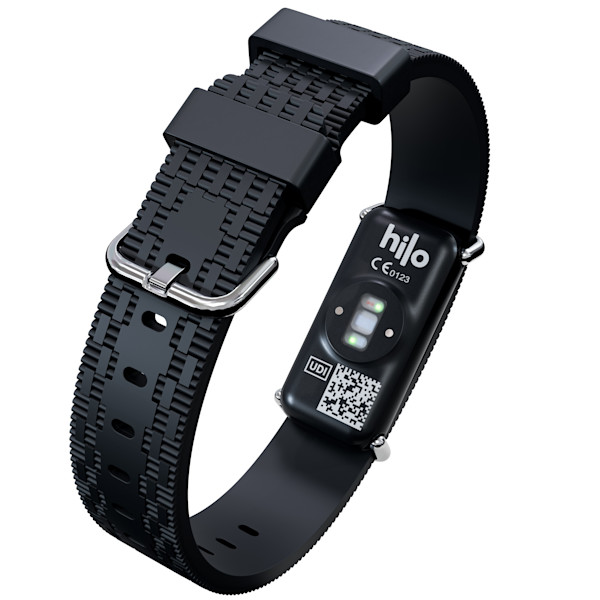
Patient recommends... Hilo
Track your blood pressure continuously, day and night - without an inflatable cuff. Traditional cuffs capture just one moment, if you remember to use them. Hilo takes about 25 readings a day, revealing how stress, meals, and activity affect your blood pressure so you can make informed choices for your wellbeing.
› Shop now
Playlist: High Blood Pressure Q&A
4 videos
What is considered high blood pressure?
Dr Yassir Javaid, MRCGP
What is considered high blood pressure?
Dr. Yassir Javaid, MRCGP

How serious is high blood pressure?
Dr. Yassir Javaid, MRCGP

What can you do to lower your blood pressure?
Dr. Yassir Javaid, MRCGP

Can you test your blood pressure at home?
Dr. Yassir Javaid, MRCGP
What is considered high blood pressure?
Dr Yassir Javaid, GP, Cardiology Specialist
To have high blood pressure, your blood pressure needs to be high most of the time. That means a reading of 135/85 mm Hg if you're taking a reading at home, or 140/90 mm Hg if it's done at the surgery. That doesn't necessarily mean you need treatment, unless you have other risk factors such as previously having a heart attack, diabetes or kidney disease.
If your blood pressure is significantly higher than that - so more than 160/100 mm Hg at your GP surgery or 150/95 mm Hg at home - then perhaps we should be considering treatment, even if you don't have any other risk factors. There are lots of things you can do to reduce your blood pressure by adopting a healthy lifestyle and medication on top of that if required.
How serious is high blood pressure?
Dr Yassir Javaid, GP, Cardiology Specialist
High blood pressure can be serious, if it's high most of the time. Having a high one-off blood pressure reading may not be of much concern because we know that blood pressure can fluctuate throughout the day and even between days.
That's why it's so important to check your blood pressure on a daily basis for at least a week, twice a day. And probably twice at each sitting, ignoring that first reading. Having a blood pressure that's high all of the time or an average blood pressure reading of more than 135/85 mm Hg can increase your risk of having a heart attack or a stroke.
What can you do to lower your blood pressure?
Dr Yassir Javaid, GP, Cardiology Specialist
It's really important to lower your blood pressure because having a consistently high blood pressure does increase your risk of serious disease.
Thankfully there are lots of simple things that you can do, like being more active. The advice is to do 30 minutes or exercise per day for around five days to a week, and you can break that down into portions of ten minutes. That will also help with weight loss which is another important thing to address to help lower blood pressure.
In terms of the diet we know that reducing your salt intake to just one teaspoon a day (approximately 6 g) can also really help keep that blood pressure down.
Can you test your blood pressure at home?
Dr Yassir Javaid, GP, Cardiology Specialist
I would strongly encourage taking your blood pressure at home. In fact there is really good evidence that taking your blood pressure at home on a regular basis is a far more accurate reflection of your day-to-day blood pressure than, for instance, having a one-off reading taken at your GP surgery.
Having your blood pressure taken at the surgery is probably the worst time, because you may have waited 30 minutes in a very busy and noisy waiting room, and that anxiety can drive up your blood pressure. So the advice is now to take your blood pressure twice a day for at least a week, twice at each time. Ignore the first reading because it's always going to be high because of the stress of just taking your blood pressure.
Patient picks for Blood pressure

Heart health and blood vessels
On the rise: what causes high blood pressure in young adults
High blood pressure is affecting the under 50s more and more frequently - but why? We explore the lifestyle habits among Millennials that may be responsible for this rise. Whatever your age, by addressing these causes of high blood pressure, you can help keep your blood pressure healthy and try to avoid the serious health issues it can lead to.
by Lynn Stephen
Heart health and blood vessels
Do wearable blood pressure monitors really work?
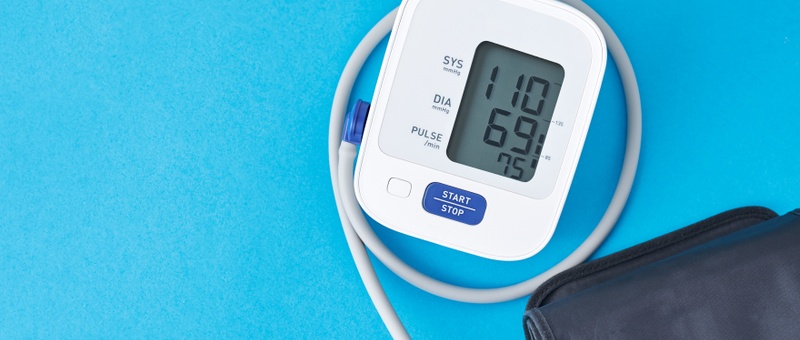
I have always thought of blood pressure as something that gets checked occasionally, usually at a GP appointment or pharmacy visit. It is quick, useful, and then mostly forgotten about until the next time. But recently I decided to try something different. I bought a wearable blood pressure band so I could track my readings more regularly and understand how my daily life affects them. Here is what it has been like using one in real life.
by Thomas Andrew Porteus, MBCS
Frequently asked questions
What is the recommended approach for taking home blood pressure readings accurately?
To get accurate home readings, it's advised to measure your blood pressure twice a day for at least a week. At each session, take two readings and disregard the first one. This helps account for the temporary rise in blood pressure that can occur due to the stress of starting the measurement.
What are the specific blood pressure thresholds that indicate a need for treatment, even without other risk factors?
If your blood pressure readings are consistently above 160/100 mm Hg at a GP surgery, or above 150/95 mm Hg when measured at home, treatment might be considered even if you don't have additional risk factors like a history of heart attack, diabetes, or kidney disease.
How important is daily monitoring of blood pressure, and for how long should I do it?
It is very important to check your blood pressure daily. You should aim to do this for at least a week, taking readings twice a day. This helps create an accurate picture of your average blood pressure over time, which is more reliable than a single measurement.
How much exercise is recommended to help lower blood pressure?
For lowering blood pressure, it's recommended to do 30 minutes of exercise per day, for about five to seven days a week. You can break this down into shorter ten-minute sessions throughout the day.
What is the recommended daily salt intake to help manage blood pressure?
Reducing your salt intake is beneficial for managing blood pressure. The advice is to limit your daily salt consumption to approximately one teaspoon, which is about 6 grams.
About the authorView full bio
Authored by

Dr Yassir Javaid, MRCGP
Cardiovascular lead Nene CCG, Primary Care Cardiovascular lead, East Midlands Clinical Network
MBBChir, MA, MRCP, MRCGP, DRCOG, DipCard
Dr Javaid qualified from Cambridge University and completed his GP VTS training in Northampton.
About the reviewerView full bio

Dr Sarah Jarvis
Clinical Consultant
MA (Cantab), BM, BCh (Oxon), DRCOG, FRCGP, MBE
After training in medicine at Cambridge and Oxford, Dr Sarah Jarvis MBE became a GP.
Article history
Article also available in English, German, Spanish, French, Italian, Portuguese, Hindi, Hebrew, Arabic, and Swedish.
2 Nov 2017 | Originally published
Authored by:
Dr Yassir Javaid, MRCGPPeer reviewed by
Dr Sarah Jarvis
Join the conversation
Share your thoughts or experiences with others in our patient communities.

Ask, share, connect.
Browse discussions, ask questions, and share experiences across hundreds of health topics.

Feeling unwell?
Assess your symptoms online for free
Sign up to the Patient newsletter
Your weekly dose of clear, trustworthy health advice - written to help you feel informed, confident and in control.
By subscribing you accept our Privacy Policy. You can unsubscribe at any time. We never sell your data.