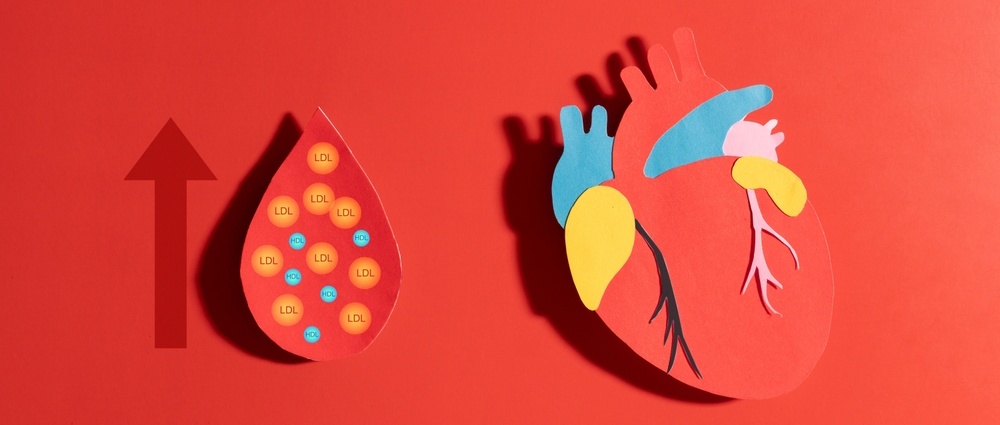
Understanding your cholesterol levels
Peer reviewed by Dr Colin Tidy, MRCGPLast updated by Lynn StephenLast updated 21 Dec 2025
Meets Patient’s editorial guidelines
- DownloadDownload
- Share
- Language
- Discussion
- Audio Version
- Add to preferred sources on Google
So, you’ve had your cholesterol checked, but what do those numbers really mean? And what do you need to do now? We take a look at the facts and figures.
Do I need a cholesterol test?
In the UK, you will get a free NHS cholesterol test if any of the following applies to you, as they make high cholesterol more likely:
You are over 40.
You have coronary heart disease or diabetes.
You have previously had a stroke or mini stroke.
You have a family history of cardiovascular disease or a cholesterol-related condition.
You take medicine to lower cholesterol.
Even if you don't have a free service in countries such as the US, testing isn't expensive, and it's still recommended that you start checking your cholesterol early on in life. According to the Centers for Disease Control and Prevention (CDC), most healthy adults should have their cholesterol checked every 4 to 6 years.
What do the numbers mean?
Cholesterol levels are measured in millimoles per litre (mmol/L) in the UK. The government recommends that the general population aims for under 5 mmol/L of total cholesterol (TC) levels, but up to three out of five adults in the UK have levels of 5 mmol/L or above.
Your doctor will explain your cholesterol readings and what they mean in terms of your future health - mainly whether you have a high, moderate or low chance of developing cardiovascular disease (CVD) within the next 10 years.
After the test, you may just be given the TC figure, but you could ask your GP surgery for your full results and keep a note of them to compare against future checks.
Here’s a quick guide to understanding your cholesterol levels.
Total cholesterol (TC)
The total amount of cholesterol in your blood
What's healthy? Government advice has moved away from giving absolute figures, but ideally your cholesterol should be be 5 mmol/L or less. This becomes 4 mmol/L or less if your chances of developing CVD are higher, or you have high blood pressure, diabetes or have had a previous cholesterol-related heart issue.
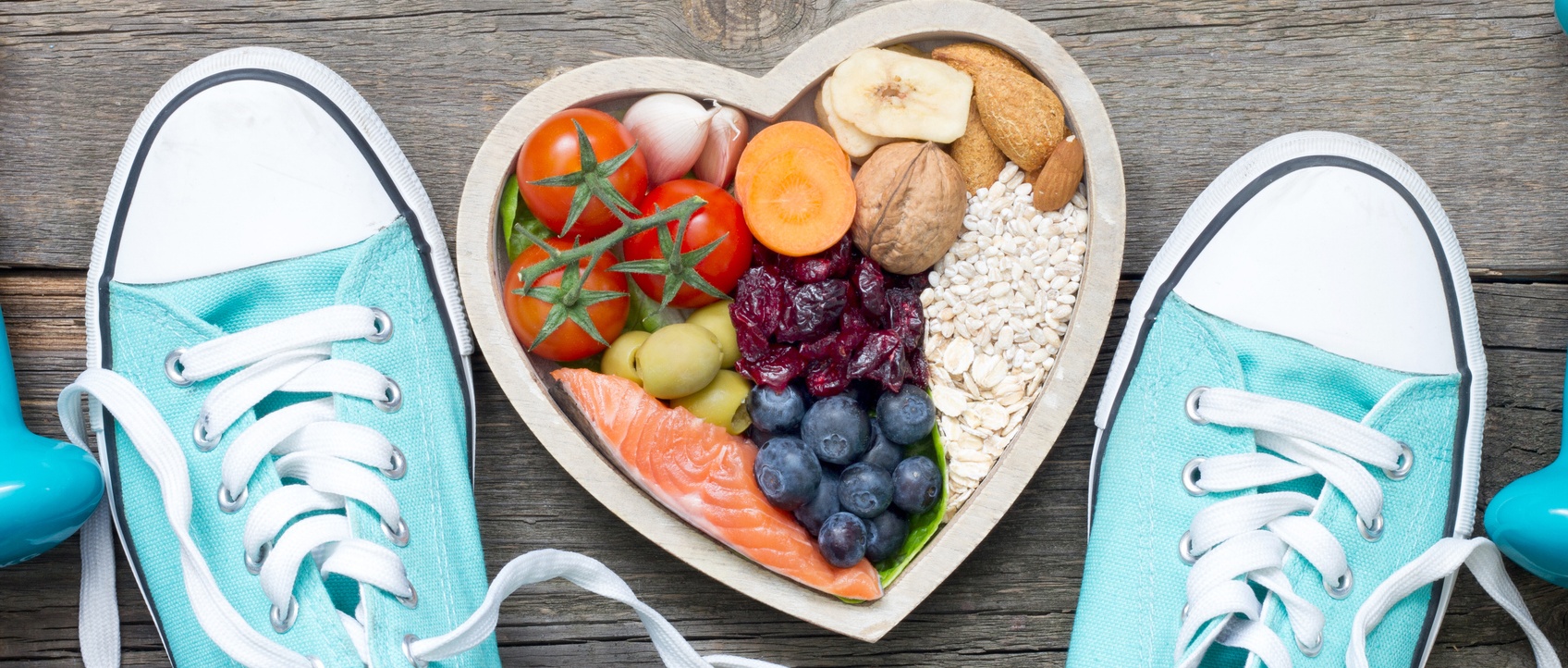
What should I do? If your cholesterol level is too high, you can help bring it down by making some diet and lifestyle changes.
These include:
Being more active.
Cutting down on foods rich in saturated fats, such as butter, lard, and full-fat dairy.
Swapping fatty meats for lean meats, such as chicken.
Eating more foods with healthy fats, such as olive oil, nuts, seeds, and oily fish.
Having meat-free days - try Quorn® or soya products instead.
Eating more fruits, vegetables, and whole grains, especially oats and barley.
Including more foods fortified with plant sterols or stanols in your diet.
Your doctor or nurse will tell you when you need to be tested again.
HDL cholesterol (HDL-C)
The good cholesterol
What's healthy? This should ideally be over 1.2 mmol/L for women and 1 mmol/L for men. In general, the higher your level of HDL, the more you're protected against heart disease.
What should I do? If your HDL-C levels are healthy, and your chance of CVD is low, you should have your cholesterol tested every five years.
To maintain healthy HDL-C levels, make sure you:
Stay active.
Don't smoke or, if you do smoke, stop.
Try to lose any excess abdominal fat.
Follow a healthy diet - see the tips above.
Ask your doctor for any more advice.
It's sometimes possible to get a false reading, so if there's anything unusual about your test results, your doctor may ask for the test to be repeated. If your HDL-C level is high, this can also make your TC level look high, so your doctor usually checks all the components to your blood test - TC, HDL-C and LDL-C levels.
LDL cholesterol (LDL-C)
The bad cholesterol
What's healthy? It should ideally be 3 mmol/L or less, or 2mmo/L if you're high risk.
What should I do? If your LDL-C reading is outside healthy levels, speak to your doctor. If it's above 4.9 mmol/L and you have a family history of early coronary heart disease (CHD), you could have familial hypercholesterolaemia (FH), a form of inherited high cholesterol that needs treatment and lifestyle changes.
Others in your family may have the same condition, so it's important to get a proper diagnosis so everyone can get the right treatment. If your LDL-C level is high for other reasons, changing your diet and exercise regime could help get your bad cholesterol back on track.
Your doctor may also prescribe statins, a group of medicines that help lower LDL-C in the blood, particularly if you have FH or other risk factors such as your age, diabetes, smoking or high blood pressure.
Non-HDL cholesterol - this is your total cholesterol reading, minus your HDL-C level reading. So, all the bad cholesterols added together, including your LDL cholesterol.
What's healthy? It should ideally be 4 mmol/L or less.
What should I do? This reading has been shown to help calculate your likelihood of CVD more accurately than before. So if yours is high, you have a higher chance of developing CVD.
Your doctor may prescribe a statin but will recommend you follow healthy lifestyle advice (see above) too, along with losing weight and quitting smoking if needed. Exercise can be very helpful, as it can help raise HDL-C levels which offsets any rise in non-HDL cholesterol.
TC:HDL ratio
Your total cholesterol figure divided by the HDL-C figure
What's healthy? The lower this figure, the better. Ideally 4.5, while above 6 is considered high risk.
What should I do? This reading will help your doctor work out whether your overall cholesterol levels are healthy, which in turn helps them calculate your chance of developing CVD - another reason why it's important to have full cholesterol results, not just TC.
It could be high if your TC, LDL-C and non-HDL cholesterol levels are too high, or if your HDL-C is too low, or a combination of both. Maintaining a healthy TC:HDL ratio long-term can help reduce your likelihood of having CVD in future. You can do this by following the advice above.
Triglyceride (TG)
Another type of fat found in the blood, mainly from the food we eat
What's healthy? Less than 1.7 mmol/L ideally on a fasting sample, or less than 2.3 mmol/L on a non-fasting sample.
What should I do? High triglyceride levels are often seen with low HDL levels - an unhealthy combination linked with early heart disease. It can also cause a painful condition called pancreatitis which needs to be seen by a doctor immediately.
People can have raised levels for many reasons, but the most common reasons are lifestyle-related:
Being apple-shaped - carrying excess weight around your midriff.
Developing or having type 2 diabetes.
Excessive alcohol consumption.
You can keep your triglyceride levels low by losing weight, being more active and eating sensibly, especially by cutting back on alcohol, sugary foods, and saturated fats, and eating more fruits, vegetables, pulses, and whole grains.
What happens now?
There's no specific cholesterol level at which you will or won't have a heart attack, but they do help form part of a bigger picture. Your doctor uses these numbers alongside other risk factors, such as your family history, weight, age, sex and ethnicity, plus whether you smoke or have high blood pressure, to calculate your chance of CVD.
Once your risk has been worked out, your doctor will suggest a number of options to help you maintain healthy cholesterol levels and reduce your susceptibility to developing CVD. But whatever your cholesterol reading, it's always worth following a healthy lifestyle to help keep your cholesterol in check.
Still have some questions? Speak to your doctor, or visit the British Heart Foundation and Heart UK, the cholesterol charity.
Patient picks for High cholesterol
Heart health and blood vessels
How to lower your cholesterol
Heart attacks and strokes have decreased by 30% in the UK over the past two decades. However, they're still a major health hazard. Effective medicines to lower cholesterol and blood pressure have played a big part, but you can also stack the odds in your favour with lifestyle changes. Keeping your weight within the healthy range can significantly reduce levels of bad cholesterol (LDL) and boost good cholesterol (HDL), which protects your heart.
by Victoria Raw

Heart health and blood vessels
How to shop for a low cholesterol diet
Doing the weekly shop when you're not sure what to put in your trolley can be tricky - especially when branding and confusing food labels can make it hard to tell what's healthy and what's not. If you have high cholesterol, this can be a particular struggle. But you can turn detective and hunt out the healthy options with our guide to food shopping for a low cholesterol diet.
by Amberley Davis
About the author
Updated by

Lynn Stephen
Content developer
MA (Hons)
Lynn joined Patient in 2023 and her role includes checking all the professional leaflets, patient information leaflets and medicine leaflets, to ensure consistency of spelling, grammar, reference material and brand style, working with the medical authors and clinical director to coordinate the authoring and peer reviewing of the leaflets.
Authored by
Danny Chadburn
Head of Content
Danny was the previous Head of Content at Patient.
About the reviewerView full bio

Dr Colin Tidy, MRCGP
General Practitioner, Medical Author
MBBS, MRCGP, MRCP (Paediatrics), DCH
Dr Colin Tidy is an NHS Doctor, based in Oxfordshire.
Article history
Article also available in English, German, Spanish, French, Italian, Portuguese, Hindi, Hebrew, Arabic, and Swedish.
Next review due: 21 Dec 2028
21 Dec 2025 | Latest version
27 Sept 2017 | Originally published
Authored by:
Danny Chadburn
Join the conversation
Share your thoughts or experiences with others in our patient communities.

Ask, share, connect.
Browse discussions, ask questions, and share experiences across hundreds of health topics.

Feeling unwell?
Assess your symptoms online for free
Sign up to the Patient newsletter
Your weekly dose of clear, trustworthy health advice - written to help you feel informed, confident and in control.
By subscribing you accept our Privacy Policy. You can unsubscribe at any time. We never sell your data.