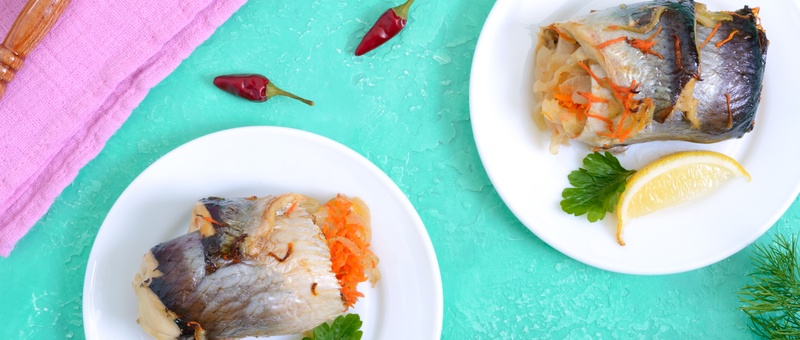
Che cos'è la dieta nordica?
Revisione paritaria di Dr Colin Tidy, MRCGPUltimo aggiornamento 22 Oct 2025
Rispetta le linee guida editoriali
- ScaricaScarica
- Condividi
- Language
- Discussione
- Versione audio
- Aggiungi alle fonti preferite su Google
La dieta nordica ha origine dalle abitudini alimentari tradizionali delle regioni dell'Europa settentrionale e del Nord Atlantico. Questi paesi più freddi condividono un approccio dietetico basato su alimenti vegetali coltivati localmente e carni di selvaggina ottenute in modo responsabile. A volte è chiamata dieta scandinava, ma qualunque sia il nome con cui la conosci, diamo un'occhiata a cosa comporta, insieme ai suoi potenziali benefici per la salute.
What does the Nordic diet involve?
The Nordic diet focusses on foods that are locally sourced and seasonal, reflecting the harsh climates of Nordic countries, Denmark, Finland, Iceland, Norway, and Sweden.
Deborah Grayson, Pharmacist and Nutritional Therapist, Practice With Confidence explains that the Nordic diet is all about eating what grows naturally in the region, which promotes sustainability and reduces environmental impact.
"For example, root vegetables - such as potatoes, turnips, and carrots - are a key component in colder months," she says. "While berries - such as lingonberries and cloudberries - are plentiful in summer."
It also has a unique emphasis on traditional food preservation methods such as pickling and smoking.
Che cos'è la dieta nordica?
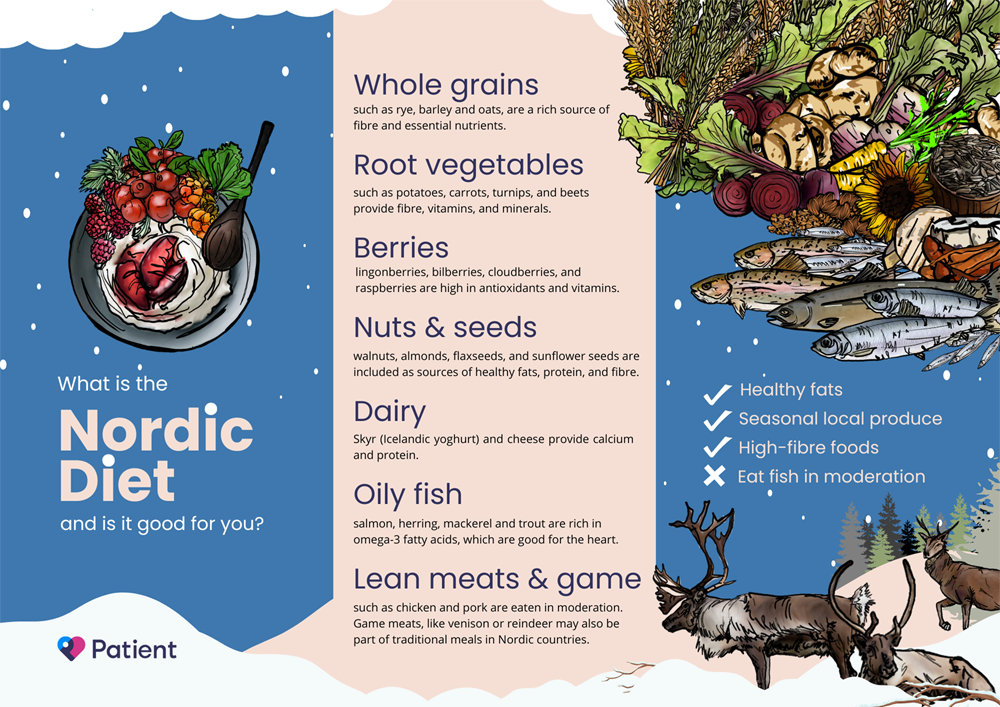
Grafica: Ben Hudson
What foods can you eat on the Nordic diet?
The Nordic diet's main elements overlap with other well-known diets such as the Mediterranean diet. However, it differs in its reliance on colder-climate foods such as root vegetables, game meats and seasonal foods.
Grayson outlines the Nordic diet's main components:
Cereali integrali - such as rye, barley and oats, which are a rich source of fibre and packed with essential nutrients.
Pesce grasso - salmon, herring, mackerel, and trout are staples in the Nordic diet. These fish are rich in omega-3 fatty acids, which are good for your heart.
Root vegetables - vegetables such as potatoes, carrots, turnips, and beets are commonly eaten. These provide fibre, vitamins, and minerals.
Berries - typically lingonberries, bilberries, cloudberries, and raspberries. These berries are high in antioxidants and vitamins.
Latticini - dairy is an important part of the Nordic diet, with yogurt, Skyr (Icelandic yoghurt), and cheese being frequently consumed. These foods provide calcium and protein.
Lean meats and game - in moderation, lean meats such as chicken and pork are eaten. Game meats such as venison or reindeer may also be part of traditional meals in Nordic countries.
Frutta secca e semi - walnuts, almonds, flaxseeds, and sunflower seeds are included as sources of healthy fats, protein, and fibre.
Grassi sani - the Nordic diet emphasises fish oils, rapeseed oil, and butter in moderate amounts, contributing to a balanced intake of fats.
Seasonal and local produce - emphasis is placed on eating seasonal and locally grown fruits and vegetables, which may include cabbage, apples, and leeks in the colder months.
What foods should you avoid on the Nordic diet?
The Nordic diet prioritises fresh, seasonal and whole foods, while minimising or cutting out processed foods, sugary snacks and refined grains.
Grayson says: "The focus is on healthy fats from fish, oils and nuts, whilst limiting processed meats, trans fats, and high-sodium foods."
It also encourages you to reduce alcohol and dairy consumption, while cutting back on artificial ingredients or additives.
Is the Nordic diet good for weight loss?
The Nordic diet can support una perdita di peso sana by encouraging you to eat healthy, low-calorie foods such as vegetables, berries and lean proteins.
Grayson explains that the fibre-rich foods in the Nordic diet help with digestion and make you feel full for longer. The healthy fats from fish and rapeseed oil will support your metabolism and curb your hunger.
"Fill your plate with non-starchy vegetables such as leafy greens, cabbage, carrots, and cruciferous vegetables such as broccoli and cauliflower," she says: "Although whole grains like rye bread are healthier than processed foods, they should be consumed in moderation if weight loss is your goal, as they can still be high in calories."
What are the benefits of the Nordic diet?
A diet that promotes a balance of lean proteins, healthy fats and complex carbohydrates is generally good for your wellbeing.
The Nordic diet in particular is associated with a range of health benefits.
Grayson says these include:
Miglioramento della salute del cuore.
Weight management.
Blood sugar control.
Reduced inflammation.
Miglior salute intestinale.
However, although it's associated with various wellness advantages, the Nordic diet - as with any diet - requires a careful and considered balance of nutrients.
For example - Grayson warns that if you eat more of the plant-based and less of the protein components, you may become deficient in vitamin B12, iron or calcium. Similarly, eating too much fish can potentially expose you to higher levels of mercury. Two oily fish portions per week are generally considered safe.
"Failure to balance portion sizes can also cause issues with higher consumption of fats and calories," she adds.
You don’t have to be a Nordic native to enjoy Scandinavian-inspired cuisine. Explore these meal examples for a delicious and balanced day inspired by the Nordic diet.
For breakfast: hearty and wholesome oatmeal bowl
Ingredienti:
Rolled oats.
Water or milk - preferably from a local dairy.
Mixed berries - such as blackberries, blueberries and raspberries.
Chopped nuts - such as almonds and walnuts.
Add local honey to taste.
For lunch: smoked haddock and poached egg on wholemeal toast
Ingredienti:
2 slices wholemeal bread.
2 large eggs.
1 wild caught smoked salmon fillet.
1 tablespoon of butter.
Fresh dill.
Add pepper to taste.
For dinner: roasted chicken with root vegetables and brown rice
Ingredienti:
Free range chicken seasoned with pepper and fresh thyme - roast with wild garlic.
Root vegetables - such as carrots, parsnips and potatoes - toss with pepper and hazelnut oil.
Brown or wholegrain rice.
By reducing the intake of processed foods, refined sugars, and saturated fats, the Nordic diet can help prevent and manage long-term diseases, support cognitive function, and improve overall health.
Grayson says: "This diet is highly flexible and, with small adjustments, can be adapted to suit various dietary needs and preferences. Whether you're following a plant-based diet, need gluten-free options, want to control blood sugar, or are trying to lose weight, the foundational principles of the Nordic diet can be tailored to support your health goals."
Che cos'è la dieta nordica?
Scelte del paziente per Dieta

Dieta e nutrizione
What is the Atlantic diet?
The Atlantic diet is all about fresh, simple ingredients and social, sustainable eating. It shares many similarities with its popular southern cousin, the Mediterranean diet - but there are some key differences. Is the Atlantic diet as healthy as the highly praised Mediterranean diet? And why is it so good for both people and planet?
di Amberley Davis
Dieta e nutrizione
Modi semplici per seguire una dieta mediterranea
Una dieta mediterranea evoca l'immagine di pesce fresco e insalate colorate condite con olio d'oliva, accompagnate da un bicchiere di vino rosso - il tutto mentre si è seduti al sole, naturalmente. Anche se nel Regno Unito non possiamo contare su un sole affidabile, possiamo sicuramente sfruttare i numerosi benefici per la salute offerti dalla dieta mediterranea.
di Lynn Stephen
Informazioni sull'autoreVisualizza il profilo completo

Victoria Raw
Scrittore di Articoli
Laurea in Lettere (Hons), Letteratura Inglese
Victoria è una scrittrice di contenuti per Patient i cui interessi speciali si concentrano sul benessere mentale, le tendenze sociali e l'impatto della tecnologia sulla nostra salute.
Informazioni sul recensoreVisualizza il profilo completo

Dr Colin Tidy, MRCGP
Medico di base, Autore medico
MBBS, MRCGP, MRCP (Paediatrics), DCH
Il Dr Colin Tidy è un medico del NHS, con sede nell'Oxfordshire.
Storia dell'articolo
Le informazioni su questa pagina sono revisionate da clinici qualificati.
Articolo disponibile anche in Inglese, Tedesco, Spagnolo, Francese, Italiano, Portoghese, Hindi, Ebraico, Arabo, and Svedese.
Prossima revisione prevista: 23 Ott 2028
22 Oct 2025 | Ultima versione
22 Nov 2024 | Pubblicato originariamente
Autore:
Victoria RawRevisione paritaria di
Dr Colin Tidy, MRCGP

Chiedi, condividi, connettiti.
Esplora le discussioni, fai domande e condividi esperienze su centinaia di argomenti di salute.

Non ti senti bene?
Valuta i tuoi sintomi online gratuitamente
Iscriviti alla newsletter di Patient
La tua dose settimanale di consigli sulla salute chiari e affidabili - scritti per aiutarti a sentirti informato, sicuro e in controllo.
Abbonandoti accetti i nostri Informativa sulla Privacy. Puoi annullare l'iscrizione in qualsiasi momento. Non vendiamo mai i tuoi dati.
Di più su dieta e nutrizione
- Gli alimenti fermentati meritano l'hype?
- Gli integratori di taurina possono rallentare l'invecchiamento?
- È possibile abbassare il colesterolo solo con la dieta?
- Le diete per il Capodanno funzionano davvero?
- Gli integratori di ZMA funzionano davvero?
- Dieta per la fertilità: cosa mangiare quando si cerca di rimanere incinta
- Come possono le diete drastiche influenzare la tua flessibilità metabolica?
- Quanta carne dovremmo mangiare?
- Come evitare di fare spuntini quando sei annoiato
- Come seguire una dieta vegetariana ricca di calcio
- Il digiuno intermittente è salutare?
- È sicuro per tutti assumere probiotici?
- Kimchi e crauti: Quali sono i benefici di mangiare cibi fermentati?
- Dovresti assumere probiotici durante la gravidanza?
- I migliori integratori anti-invecchiamento per la tua salute
- Modi per migliorare il tuo rapporto con il cibo
- Quali sono i benefici per la salute di una dieta vegana?
- Cos'è la creatina? Benefici, usi e rischi
- Qual è la migliore dieta per la malattia di Crohn?
- Qual è l'apporto calorico raccomandato per le donne?