
The best sports to try if you have type 2 diabetes
Peer reviewed by Dr Sarah JarvisAuthored by Abi MillarOriginally published 25 Jan 2018
Meets Patient’s editorial guidelines
- DownloadDownload
- Share
- Language
- Discussion
- Audio Version
- Add to preferred sources on Google
If you have type 2 diabetes, you probably already know the benefits of getting active. Regular exercise will help you maintain a healthy weight and regulate your blood glucose levels, as well as helping reduce your risk of diabetes-related complications.
Sign up for our free 10-week Diabetes course!
Each week, we'll explore a different topic to help you better understand and manage your diabetes, including everyday living and medicines, to mental wellbeing, the latest in diabetes tech, and nutrition.
By subscribing you accept our Privacy Policy. You can unsubscribe at any time. We never sell your data.
For people who don't yet have diabetes, but have been told they're at high risk, there is an even greater incentive. According to the UK Chief Medical Officers’ Guidelines, physical activity can slash your chance of type 2 diabetes by up to 40%.
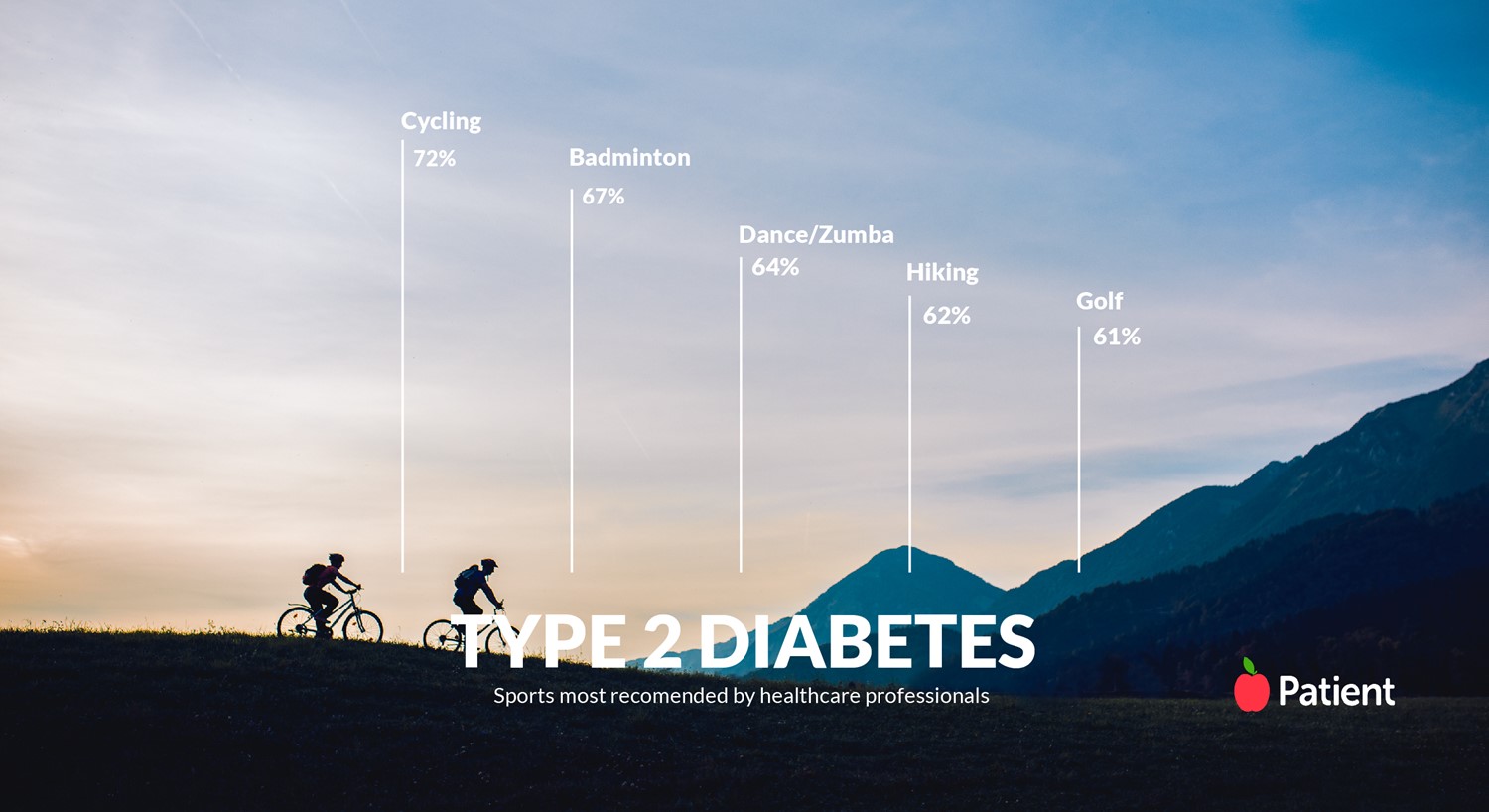
In our recent survey of 281 health professionals, a number of different physical activities were highly recommended by doctors. Top of the list were cycling (recommended by 71% of doctors), badminton (67%), and gymnastics/dance/Zumba® (64%). All of these are fun aerobic exercises likely to get your heart rate up.
The least recommended sports were skiing/snowboarding (40%), skateboarding/rollerblading (38%) and rugby (37%) - perhaps because older adults with type 2 diabetes are at particular risk of falls.
We asked healthcare professionals which are the best sports for type 2 diabetes
Get individualised advice
As Kathryn Kirchner, clinical advisor at Diabetes UK, explains, people with type 2 diabetes should be encouraged to do any sport or activity they enjoy, within the parameters of what is safe for them.
"Certain activities or movements might need to be avoided in the case of some diabetes complications or other medical conditions," she says. "Getting individualised exercise advice from a physiotherapist can be helpful, especially if you have existing injuries or medical conditions that make it hard to exercise."
If you’re planning on exercising vigorously, it is important to think about how this will affect your blood sugar levels. Diabetes UK advises that, if your blood sugar levels are below 7 mmol/L before exercising, you might need some extra carbohydrates to stave off hypoglycaemia (an episode of low blood sugar). Conversely, if your blood sugar levels are above 13 mmol/L, you probably need to increase your insulin dose. This only applies if you're treated with insulin or tablets that can cause hypoglycaemia, such as sulfonylureas or glinides.
"Exercise can affect blood sugar levels both during and after exercise," says Kathryn Kirchner. "If you take medication which could lead to a hypo, it's a good idea to check your blood glucose levels before during and after exercise, and carry hypo treatment when exercising. People should check with their diabetes team about what are safe blood glucose levels for exercise and how to manage this."
Give yourself time to adapt
Although many people with type 2 diabetes are overweight, this does not need to be an impediment to getting fit. Have a chat with your GP first, to assess your overall health and fitness and work out an exercise plan that's right for you. For most adults, a good target to aim for is 150 minutes of moderate activity a week, plus two sessions of muscle-strengthening exercises.
However, this needs to be taken at your own level. If you haven't exercised in a while, it's crucial to ease into the new programme gradually, giving your body time to adapt.
"It's important to know if any complications of diabetes like retinopathy or cardiovascular disease, or other medical conditions, might impact on exercising safely," says Kathryn Kirchner. We recommend speaking to your healthcare team before starting any new activity."
How cycling can help
The leading activity in our survey, cycling, is ideal for many people with diabetes, not least because it can be easily interwoven into your day-to-day life. One study showed that people with type 2 diabetes may be better off choosing cycling for exercise than walking, as it is associated with lower levels of pressure in the feet.
"Cycling is a fantastic activity for people to get active and improve their physical and mental health," says Rob Mace, development manager at British Cycling. "People with a pre-existing health condition like diabetes can access a lot of support to get active, and should consult their health professional for advice on how they can maintain or enhance their continual care through the activity."
If you’re cycling for a reasonable duration (longer than about 30 minutes) and take medicine that could cause hypoglycaemia, you will need to check your blood sugar regularly, consuming small amounts of sugar at frequent intervals. You'll also need to remain vigilant in the hours after your ride. However, if you take the appropriate precautions, cycling can be a great way to improve your overall health. There is even a professional cycling team, Team Novo Nordisk, all of whom have diabetes.
"Begin within your capabilities and gradually explore what you can do. You can access support through some of British Cycling’s clubs or programmes where you will be able to discuss your needs with staff and trained volunteers, and access activities of the appropriate intensity and duration," says Rob Mace.
Patient picks for Type 2 diabetes

Diabetes
Slowdown in type 2 diabetes cases
Some countries have seen a fall in new cases of type 2 diabetes according to a new review of the current evidence.
by Milly Evans

Diabetes
Can diet drinks cause type 2 diabetes?
We're all used to the headlines about the 'global epidemic' of type 2 diabetes. We should all know that completely unlike type 1 diabetes, getting type 2 diabetes is largely about lifestyle.
by Dr Sarah Jarvis
About the authorView full bio
Authored by

Abi Millar
Freelance Journalist
BA (Hons), MA
Abi is a freelance journalist with a special interest in health and medicine writing.
About the reviewerView full bio

Dr Sarah Jarvis
Clinical Consultant
MA (Cantab), BM, BCh (Oxon), DRCOG, FRCGP, MBE
After training in medicine at Cambridge and Oxford, Dr Sarah Jarvis MBE became a GP.
Article history
Article also available in English, German, Spanish, French, Italian, Portuguese, Hindi, Hebrew, Arabic, and Swedish.
25 Jan 2018 | Originally published
Authored by:
Abi MillarPeer reviewed by
Dr Sarah Jarvis
Join the conversation
Share your thoughts or experiences with others in our patient communities.

Ask, share, connect.
Browse discussions, ask questions, and share experiences across hundreds of health topics.

Feeling unwell?
Assess your symptoms online for free
Sign up to the Patient newsletter
Your weekly dose of clear, trustworthy health advice - written to help you feel informed, confident and in control.
By subscribing you accept our Privacy Policy. You can unsubscribe at any time. We never sell your data.