Raddrizzamento dei denti
Revisione paritaria di Dr Hayley Willacy, FRCGP Autore Toothpick Pubblicato originariamente 25 Feb 2015
Rispetta le linee guida editoriali
- ScaricaScarica
- Condividi
- Language
- Discussione
- Versione audio
- Aggiungi alle fonti preferite su Google
Avviso sui contenuti
Questa pagina non è stata aggiornata di recente, quindi alcune informazioni o alcuni link esterni potrebbero essere cambiati.
I denti disallineati possono minare la tua fiducia, farti sorridere di meno e influenzare la tua vita personale e sociale. Fortunatamente, ci sono molte soluzioni ortodontiche per raddrizzare i denti disponibili che ti lasceranno con denti perfettamente dritti e la fiducia per sorridere di più. Il raddrizzamento dei denti è quasi esclusivamente eseguito da dentisti privati e il costo varierà a seconda del trattamento e del fornitore di servizi.
A colpo d'occhio
Braces straighten teeth and are available in various types, including cosmetic and invisible options.
Options include Inman Aligners, Invisalign, lingual braces, and traditional metal braces.
Your dentist will create a written treatment plan with costs and expected duration.
Fitting braces is usually painless but you may feel some initial tenderness.
You will need to wear a retainer after treatment to keep your teeth in their new position.
Teeth straightening is generally a private cosmetic treatment in the UK.
Along with traditional metal braces, you can now find several forms of cosmetic, clear, non-visible or invisible braces. A dental consultation and conversation with your dentist will help you get a better idea of the treatment options for you. A written treatment plan with costs and an indication of treatment duration should always form the basis of making your decision to proceed with this form of treatment. Many adults as well as children now have orthodontic treatment, as the benefits will last the rest of their lives.
Below are some popular cosmetic braces that millions of patients worldwide have benefited from:
Inman Aligner®
The biggest attraction of this method is that it produces very quick results, with teeth visibly straighter within six to 18 weeks.
The Inman Aligner® works using aligner bows that are positioned at the front and back of your teeth. A coil spring pushes the two bows together, using gentle pressure to guide your teeth into a straighter position. Although not invisible, the aligner is a removable brace that can be taken out when you're eating and drinking.
Invisalign®
The main appeal of Invisalign® braces is they do not use any metal or wires. Instead, a completely clear brace, like a gum shield, is worn over the teeth, making them almost invisible.
A series of aligner braces are custom-made to fit over your teeth. Every two weeks, a new aligner brace will be worn to encourage your teeth into their projected final position. Most treatments will involve between 18-36 different aligners, but the actual duration of treatment will vary on the complexity of the teeth movement.
These braces are removable for eating or for brushing teeth but need to be worn at all times otherwise. Treatments typically take between nine and 18 months and can realign the whole arch of your teeth. Other invisible aligners are available; however, Invisalign® is the most popular globally.
Lingual braces
Lingual braces, such as Incognito® braces, are very discreet. Brackets and wires are fitted to the inside of your teeth, out of view. They work in the same manner as regular fixed braces and they can be used to treat all sorts of problems, from crowding to unsightly gaps.
How long treatment lasts depends on your specific circumstances, but six to 24 months is fairly typical. Lingual braces can be used to treat the whole arch of your teeth but space requirements mean they may not be suitable for all.
Traditional braces
Traditional metal braces work by steadily applying pressure to your teeth, gradually moving them into the desired position. Essentially, they are the same as lingual braces but the brackets are facing outwards. Traditional braces are both effective and affordable methods of straightening teeth but the effect on appearance puts most people off this option.
Six Month Smiles®
Six Month Smiles® braces take the form of either a fixed retainer bonded to your teeth or a removable retainer. While using a system of brackets and wires, these braces are less visible thanks to discreet brackets and teeth-coloured wires.
Six Month Smiles® braces claim a reduced time to improve crooked smiles by focusing only on the teeth that are visible when you smile. For this reason, this option is used as a cosmetic solution rather than one that will solve more complex orthodontic problems.
Damon braces®
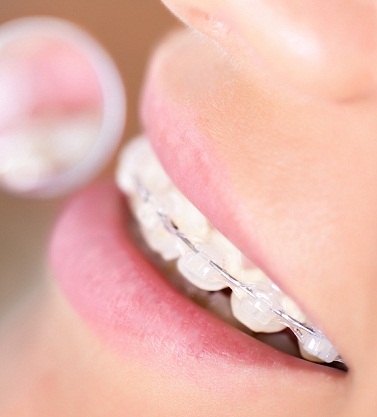
These braces work effectively by reducing treatment time, something that has made braces a daunting prospect for many. They do not use the elastic ties that can make dental hygiene more difficult to maintain and, though the need for brackets and wires mean they are not as inconspicuous as other forms of braces, they are available with clear brackets, making them far less noticeable and cosmetically acceptable.
damon braces
Will I need to have teeth removed?
Depending on the method of treatment you opt for and the complexity of the situation, this is a possibility; certain alignment treatments are only possible after some teeth have been taken out. The teeth are removed in most cases to create space to allow the remaining teeth to be straightened.
Does having a brace fitted hurt?
You may feel some initial tenderness but the fitting is a painless procedure. You may have trouble pronouncing certain sounds whilst you are getting used to your braces, but this will usually pass as you adjust over the first few days.
Will I need to avoid certain foods?
It is advisable not to eat foods that may damage your braces or cause you discomfort. You should also avoid sweets, juices and fizzy drinks, something that can be a common issue with dental hygiene for children. Your dentist will provide tailored advice based on which treatment option you undergo.
How long do I have to wear a brace each day?
If using an invisible aligner, it is important to only remove it for eating, drinking, and cleaning your teeth. If you wear your aligner for less than 20 hours per day, there is a chance that the treatment will not be as effective or fast.
How much does teeth straightening cost?
Teeth straightening is a cosmetic dental treatment, so it is not generally available through the NHS. The private cost involved varies from treatment to treatment. A removable aligner will cost around £1,200 for each jaw, and prices for traditional metal braces start from £2,000. Cosmetic options will begin at around £2,500. It is worth considering your investment carefully and choosing a dentist that you are happy with, as the treatment duration can last years. Also consider that many dentists offer finance options and payment plans to help with the cost of the treatment. Dental discount plans that often give an immediate discount for a course of treatment are also available, alongside traditional dental insurance.
Will I need a retainer?
Essentially, yes, you will need a retainer following your treatment. An orthodontic retainer is a device worn after active teeth straightening is complete. The device maintains the new position of the teeth and is either a permanent retainer (fixed to the teeth) or a removable retainer. This is true of almost all orthodontic treatment and is essential to avoid the risk of the teeth moving back to their original position.
This article was provided by Toothpick, the leading provider of appuntamenti dentistici online in the UK.
Scelte del paziente per Problemi dentali
Cura orale e dentale
Ascesso dentale
Un ascesso dentale è un accumulo di pus che può causare mal di denti e altri sintomi. Se sospetti di avere un ascesso dentale, consulta un dentista il prima possibile per il trattamento. Senza trattamento, la condizione potrebbe peggiorare e potresti perdere il dente interessato. Le complicazioni sono rare ma possono essere gravi e persino pericolose per la vita. I medici di base non sono formati o assicurati per trattare problemi dentali - non chiamare il tuo medico di base se hai mal di denti.
di Dr Toni Hazell, FRCGP

Cura orale e dentale
Mal di denti
Il mal di denti è una sensazione dolorosa che proviene dai denti o dai tessuti che li circondano. È causato dall'infiammazione della polpa dentale - i nervi e i vasi sanguigni all'interno dei nostri denti. Quando la polpa si infiamma, si chiama 'pulpite'.
di Dr Hayley Willacy, FRCGP
Domande frequenti
What are the common issues that can be corrected with lingual braces?
Lingual braces can be used to treat a variety of problems, including crowding of teeth and unsightly gaps between teeth. They work in the same way as regular fixed braces but are fitted to the inside of your teeth, making them very discreet.
Are Damon braces suitable for all types of orthodontic problems?
While the article highlights that Damon braces are effective and offer reduced treatment times, it does not specify whether they are suitable for all types of orthodontic problems. However, it mentions they use brackets and wires, similar to traditional braces, which are generally versatile.
What makes Six Month Smiles different from other types of braces?
Six Month Smiles braces are designed as a cosmetic solution, focusing specifically on straightening the teeth that are visible when you smile. This allows for a reduced treatment time compared to other braces that address more complex orthodontic problems. They use discreet brackets and tooth-coloured wires to be less visible.
What are the advantages of using Invisalign in terms of appearance?
The main advantage of Invisalign braces is that they are almost invisible. They don't use any metal or wires, instead, a completely clear brace, similar to a gum shield, is worn over the teeth, making them very discreet.
Are there any specific benefits to using an Inman Aligner compared to other brace types?
The biggest attraction of the Inman Aligner is that it produces very quick results, with teeth visibly straighter within six to 18 weeks. While not invisible, it is a removable brace that can be taken out for eating and drinking.
Informazioni sull'autore
Autore

Toothpick
Informazioni sul recensoreVisualizza il profilo completo

Dr Hayley Willacy, FRCGP
Medico di base, Autore medico
MBChB (1992), DRCOG, DFFP, MRCOG (Part 1) MRCGP (2007), DFSRH (2013), MSc - medical education (2020)
La Dott.ssa Hayley Willacy era un medico di base del NHS che lavorava nel nord-ovest dell'Inghilterra, e si è ritirata dalla pratica clinica nel 2022 dopo 30 anni.
Storia dell'articolo
Articolo disponibile anche in Inglese, Tedesco, Spagnolo, Francese, Italiano, Portoghese, Hindi, Ebraico, Arabo, and Svedese.
25 Feb 2015 | Pubblicato originariamente
Autore:
Toothpick
Revisione paritaria di
Dr Hayley Willacy, FRCGP
Partecipa alla conversazione
Condividi i tuoi pensieri o esperienze con gli altri nel nostro comunità di pazienti.

Chiedi, condividi, connettiti.
Esplora le discussioni, fai domande e condividi esperienze su centinaia di argomenti di salute.

Non ti senti bene?
Valuta i tuoi sintomi online gratuitamente
Iscriviti alla newsletter di Patient
La tua dose settimanale di consigli sulla salute chiari e affidabili - scritti per aiutarti a sentirti informato, sicuro e in controllo.
Abbonandoti accetti i nostri Informativa sulla Privacy. Puoi annullare l'iscrizione in qualsiasi momento. Non vendiamo mai i tuoi dati.