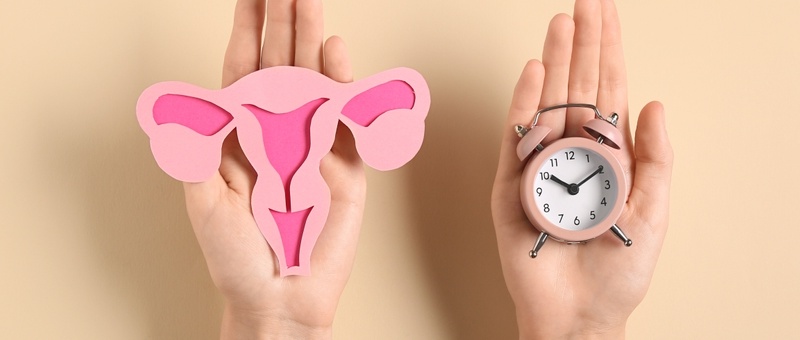
La verità sulla PCOS e la menopausa
Revisione paritaria di Dr Colin Tidy, MRCGPAutore Victoria RawPubblicato originariamente 27 Mar 2026
Rispetta le linee guida editoriali
- ScaricaScarica
- Condividi
- Language
- Discussione
- Versione audio
- Aggiungi alle fonti preferite su Google
PCOS is a health condition primarily driven by hormonal imbalances. If you have PCOS, these hormones can have a major impact on your daily life and wellbeing. But what happens when you add the hormonal shifts of perimenopause and menopause into the mix?
In this article, we explore how these life-stage changes influence PCOS and what people can expect as they move through menopause.
Iscriviti al nostro corso gratuito di 10 settimane sulla menopausa!
Ogni settimana esploreremo diversi argomenti per aiutarti a comprendere e affrontare meglio il tuo percorso menopausale, inclusi la TOS, la dieta, l'esercizio fisico e la salute mentale.
Abbonandoti accetti i nostri Informativa sulla Privacy. Puoi annullare l'iscrizione in qualsiasi momento. Non vendiamo mai i tuoi dati.
Understanding PCOS as a long-term condition
Polycystic ovary syndrome (PCOS) is a hormonal disorder that’s often thought of as just a reproductive condition. While it does affect people with ovaries - mainly by disrupting ovulation and causing irregular periods - it’s actually a complex endocrine condition that can influence many aspects of your health, from metabolism to mood.
Dr Daniel Atkinson, Clinical Lead at Treated, in Greater Manchester, UK, explains that PCOS is characterised by complex hormonal imbalances, including high testosterone levels and insulin resistance.
“While these issues affect fertilità, they can also affect life in other ways,” he says. “For example, many people with PCOS have a higher chance of developing cardiovascular diseases and type 2 diabetes. So saying it’s only a ‘reproductive condition’ is a bit of an understatement.”
Atkinson also points out that people with PCOS often go through menopausa a few years later than average. That’s likely because they tend to have a higher ovarian reserve, as irregular ovulation means fewer eggs are released over time.
How does PCOS affect perimenopause symptoms?
Androgens are hormones produced by both men and women. The main androgen linked to PCOS is testosterone. Although it’s often thought of as a ‘male’ hormone, women produce it too - just in smaller amounts.
People with PCOS tend to have higher-than-average levels of androgens. These elevated hormone levels can interfere with ovulation, meaning the ovaries don’t release eggs as regularly as they should. As a result, periods can become irregular or stop altogether.
During perimenopausa, hormone levels begin to shift and decline - particularly oestrogen and progesterone. Androgen levels, including testosterone, also naturally decrease with age, but they are not linked to perimenopause in the same direct way as oestrogen.
Because PCOS is associated with above-normal androgen levels, this gradual decline may actually have an unexpected effect. As Atkinson explains, some people with PCOS find that their menstrual cycles become more regular during perimenopause, as falling androgen levels can make ovulation more consistent than it was in their younger years.
“High androgen levels interfere with the maturation of follicles in the ovaries, which prevents ovulation,” he says. “When androgen levels are low, periods become more regular. So people with PCOS often experience a more regular period and may reach menopause later in life.”
Atkinson explains that many perimenopause symptoms occur regardless of whether someone has PCOS. These include night sweats, hot flushes, insomnia, and brain fog.
“Common PCOS symptoms such as hirsutism, acne, and thinning hair may start to improve during perimenopause as androgen levels gradually decrease,” he adds. “But not all people with PCOS will notice this improvement.”
How perimenopause impacts the PCOS body
Alcuni symptoms of perimenopause - particularly weight gain and mood changes - can be more severe in people with PCOS due to underlying insulin resistance and hormonal imbalances. In some cases, the condition can even worsen after menopause, potentially contributing to long-term inflammation, additional weight gain, and higher cholesterol levels.
Atkinson explains that this is largely due to persistently high testosterone levels, which are linked to these conditions, combined with falling oestrogen levels that reduce some of your body’s natural cardioprotective effects. As a result, people with PCOS may have a higher chance of cardiovascular disease, endometrial cancer, and other health issues.
During perimenopause, oestrogen levels decline significantly, while androgen levels usually decrease gradually. But in people with PCOS, androgen levels can still be disproportionately high after menopause. So while reduced oestrogen worsens insulin sensitivity and increases fat accumulation, at the same time, higher androgen levels in people with PCOS can contribute to insulin resistance by disrupting insulin signalling and increasing inflammation.
“Insulin resistance is a common feature of PCOS and often worsens with age and weight gain,” says Atkinson. “This creates a vicious cycle, where excess fat further worsens insulin resistance. This raises the likelihood of developing type 2 diabetes, overweight, and obesity in midlife.”
He notes that people with PCOS also have a higher chance of developing cardiovascular diseases even after menopause.
“Insulin resistance contributes to high blood pressure, elevated cholesterol levels, and long-term inflammation,” explains Atkinson. “Paired with the loss of oestrogen's cardioprotective effects during menopause, the chance of heart attacks, stroke, and diabetes increases.”
He adds that menopause can make some people more prone to mood changes, with depression and anxiety being particularly common. These effects can be amplified in those with PCOS, as the hormonal imbalances associated with the condition increase your vulnerability to mental health challenges.
Can hormone replacement therapy be personalised for PCOS?
If you have PCOS and are going through menopause, your doctor will determine which type of terapia ormonale sostitutiva (HRT) is most suitable for you.
“The type of HRT you use depends on your specific symptoms,” Atkinson says. “For example, if your menopause symptoms are localised - such as vaginal dryness - you might benefit more from an HRT gel than from other forms of treatment.”
He explains that most treatments, including HRT, are designed not only to manage symptoms but also to lower your likelihood of osteoporosis, type 2 diabetes, and cardiovascular disease.
“Weight loss medicines can be helpful for people with PCOS, as they support weight management during menopause and help improve blood sugar control,” notes Atkinson.
People with PCOS should always talk to their doctor for guidance on how to navigate menopause with PCOS - particularly when it comes to diet, lifestyle changes, and medicines. Routine monitoring should include blood pressure checks, cholesterol levels, and blood sugar testing to assess your probability of cardiovascular disease and type 2 diabetes.
“It’s also important to regularly monitor your weight and focus on maintaining a healthy BMI,” Atkinson adds. “Living well with PCOS can look different for everyone. If you maintain a healthy weight and have normal blood pressure, cholesterol, and blood sugar levels, it can help reduce your chance of developing serious illnesses.
“Achieving this is easier said than done, but with the right diet, an active lifestyle, and appropriate medicine, it’s possible.”
Atkinson concludes by emphasising that PCOS doesn’t simply disappear once your periods stop. It’s a lifelong condition that requires ongoing monitoring and care to support a healthy, good-quality life.
Scelte del paziente per PCOS

Ormoni
Dieta per PCOS: Cosa mangiare per gestire i sintomi
Polycystic Ovary Syndrome (PCOS) is a health condition that affects some women from their late teens onwards. Though PCOS is sometimes managed with medicine, its symptoms can be reduced through a combination of healthy lifestyle habits - especially your diet.
di Victoria Raw

Ormoni
8 miti comuni sulla PCOS (Sindrome dell'Ovaio Policistico)
La sindrome dell'ovaio policistico è una delle condizioni di salute femminile più comuni e tuttavia fraintese. Con la disinformazione che circola su internet, distinguiamo i fatti dalla finzione ed esploriamo come i miti sulla PCOS potrebbero danneggiare le donne con questa condizione.
di Amberley Davis
Domande frequenti
Can PCOS worsen after menopause?
Yes, in some cases, PCOS symptoms can worsen after menopause. This is largely attributed to persistently high testosterone levels combined with falling oestrogen levels. This combination can contribute to long-term inflammation, additional weight gain, and higher cholesterol levels, potentially increasing the risk of cardiovascular disease, endometrial cancer, and other health issues.
What is the link between PCOS, insulin resistance, and ageing?
Insulin resistance is a common feature of PCOS and tends to worsen with age and weight gain. As oestrogen levels decline during perimenopause, insulin sensitivity can be reduced, and fat accumulation may increase. Alongside this, higher androgen levels in people with PCOS can further contribute to insulin resistance by disrupting insulin signalling and increasing inflammation. This creates a vicious cycle, raising the likelihood of developing type 2 diabetes, overweight, and obesity in midlife.
How does PCOS affect my risk of heart-related problems after menopause?
People with PCOS have a higher chance of developing cardiovascular diseases even after menopause. Insulin resistance, a common characteristic of PCOS, contributes to high blood pressure, elevated cholesterol levels, and long-term inflammation. When combined with the loss of oestrogen's protective effects on the heart during menopause, the risk of heart attacks, stroke, and diabetes increases.
Does PCOS impact mood and mental health during menopause?
Menopause can make some people more prone to mood changes, including depression and anxiety. For individuals with PCOS, these effects can be amplified. The hormonal imbalances associated with PCOS can increase your vulnerability to mental health challenges, potentially making these symptoms more pronounced during the menopausal transition.
What kind of monitoring should I expect for PCOS after menopause?
Ongoing monitoring for PCOS after menopause should include regular blood pressure checks, cholesterol level assessments, and blood sugar testing. These tests help to evaluate your risk of cardiovascular disease and type 2 diabetes. It is also important to regularly monitor your weight and aim to maintain a healthy BMI.
Informazioni sull'autoreVisualizza il profilo completo
Victoria Raw
Scrittore di Articoli
Laurea in Lettere (Hons), Letteratura Inglese
Victoria è una scrittrice di contenuti per Patient i cui interessi speciali si concentrano sul benessere mentale, le tendenze sociali e l'impatto della tecnologia sulla nostra salute.
Informazioni sul recensoreVisualizza il profilo completo

Dr Colin Tidy, MRCGP
Medico di base, Autore medico
MBBS, MRCGP, MRCP (Paediatrics), DCH
Il Dr Colin Tidy è un medico del NHS, con sede nell'Oxfordshire.
Storia dell'articolo
Le informazioni su questa pagina sono revisionate da clinici qualificati.
Articolo disponibile anche in Inglese, Tedesco, Spagnolo, Francese, Italiano, Portoghese, Hindi, Ebraico, Arabo, and Svedese.
Next review due: 27 Mar 2029
27 Mar 2026 | Pubblicato originariamente
Autore:
Victoria RawRevisione paritaria di
Dr Colin Tidy, MRCGP

Chiedi, condividi, connettiti.
Esplora le discussioni, fai domande e condividi esperienze su centinaia di argomenti di salute.

Non ti senti bene?
Valuta i tuoi sintomi online gratuitamente
Iscriviti alla newsletter di Patient
La tua dose settimanale di consigli sulla salute chiari e affidabili - scritti per aiutarti a sentirti informato, sicuro e in controllo.
Abbonandoti accetti i nostri Informativa sulla Privacy. Puoi annullare l'iscrizione in qualsiasi momento. Non vendiamo mai i tuoi dati.
Più sugli ormoni
- Stai attraversando la perimenopausa?
- I rimedi erboristici per la menopausa funzionano davvero?
- Hai bisogno di un controllo per la menopausa a 40 anni?
- Cortisol alto: sintomi, cause e test
- Come puoi prevenire l'osteoporosi durante la menopausa?
- In che modo la razza influisce sull'assistenza durante la menopausa?
- Come abbassare i livelli di cortisolo: 10 metodi comprovati
- Come gestire i problemi della pelle in menopausa
- Video sulla menopausa
- Dieta per PCOS: Cosa mangiare per gestire i sintomi
- La 'seconda pubertà': perché potresti avere sfoghi cutanei a trent'anni
- La verità sulla TOS
- NuovoTroppe pillole? La preoccupante crescita della polifarmacia nelle donne di mezza età
- Quali sono gli effetti collaterali della TOS?
- Cos'è l'inflammaging - e perché le donne dovrebbero preoccuparsene?
- Che cos'è la depressione postmenopausale?
- Com'è affrontare la menopausa quando si ha l'HIV
- Qual è il legame tra menopausa e colesterolo?
- Qual è il legame tra PCOS e diabete?
- La terapia ormonale sostitutiva per la menopausa sarà presto gratuita e disponibile senza prescrizione?