Proteine naturali contro proteine in polvere: quale è meglio per l'allenamento di forza?
Revisione paritaria di Dr Sarah JarvisUltimo aggiornamento di Amberley DavisUltimo aggiornamento 27 Gen 2022
Rispetta le linee guida editoriali
- ScaricaScarica
- Condividi
- Language
- Discussione
- Versione audio
- Aggiungi alle fonti preferite su Google
Consumare abbastanza proteine è essenziale per costruire muscoli forti. I frullati di proteine in polvere non sono un sostituto completo delle fonti di proteine naturali presenti nel cibo. Tuttavia, potresti considerare di integrare la tua dieta e il tuo regime di allenamento con i frullati proteici. Prima di decidere se questo è adatto a te, ci sono diversi benefici e considerazioni da tenere in conto.
How your body gains muscle
If your goal is to build muscle, three essential steps are to establish a strength-training fitness regime, eat a equilibrata, and ensure you're consuming the optimum quantity of protein.
Protein is a nutrient made up of essential amino acids, the important 'building blocks' of muscle tissue. Strength training causes micro-tears in your muscles, and these amino acids are then used in a process called muscle protein synthesis (MPS) to repair and increase muscle tissue.
MPS leads to stronger and larger muscles that are better adapted to the strength exercises that caused the tears. This process is the reason why both strength training and protein are crucial for building muscle.
The importance of natural protein
Your main source of protein is your diet. For peak physical fitness, eating a balanced, healthy diet that includes enough protein-rich foods and other nutrients is essential. In order to optimise muscle building, try to include a source of protein in most of your meals.
Good sources of protein in food
Lean meats - including beef, pork, and lamb.
Poultry - including chicken, turkey, and duck.
Fish - including salmon, mackerel, and tuna.
Seafood - including prawns, crab, and scallops.
Dairy products - including cheese, milk, and yoghurt (especially Greek yoghurt).
Uova.
Nuts - including almonds, cashews, and walnuts.
Seeds - including pumpkin seeds, sesame seeds, and sunflower seeds.
Legumes and beans - including all beans, lentils, and chickpeas.
Other meat-alternative products - including tofu, tempeh, and some cereal-based products.
Vegetarians and vegans should take note that plant-based natural sources contain less protein in a given volume than animal sources. This means that the lower level of essential amino acids they contain is often used up for other bodily functions rather than in MPS.
This said, protein powder or any other form of supplementation shouldn't be fully substituted for even plant-based natural protein sources. The natural protein you get from food is essential for cell repair and growth in every part of your body.
"Natural protein sources also provide other important nutritional content too, such as fibra, vitamina C, and antioxidants," says Rachel Ball, registered British Dietetic Association (BDA) freelance dietician.
Do you need protein powder to build muscle?
This isn't to say that taking protein supplements in addition to natural protein doesn't have its benefits. The key distinction is that only certain groups may reap rewards from supplementing their diet.
Who can benefit from protein supplements?
Athletes and people who regularly strength train - for people with very high protein goals there is lots of evidenze that protein supplements can help to maximise muscle gain, fat loss and exercise recovery.
People with health conditions meaning they require a high protein intake - for example, protein may improve blood sugar (glucose) levels in people with diabete di tipo 2.
Anziani - optimising protein intake could help to mitigate age-related muscle loss.
Some vegetarians and vegans - most natural protein sources are animal-based and so people following a plant-based diet might wish to increase their protein intake. Ball points out that many protein supplements are suitable for a wide range of diets, including plant-based.
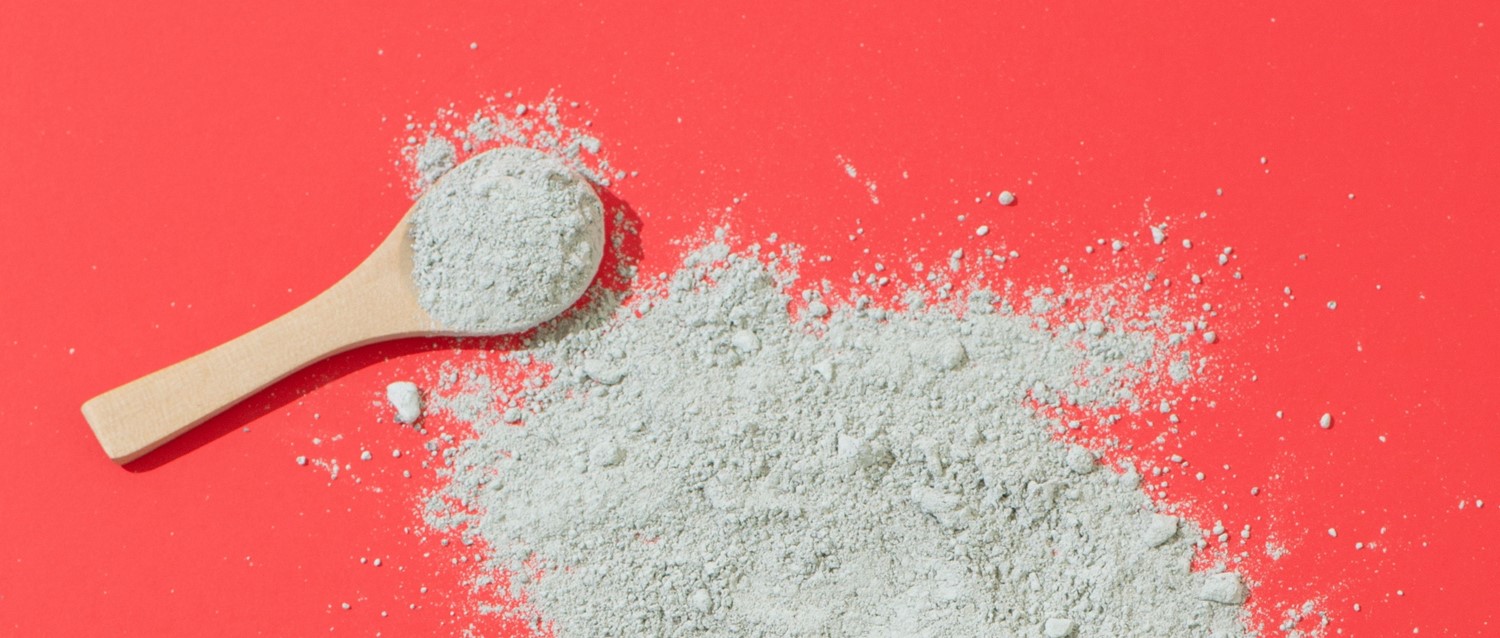
Protein powders are one of the most popular forms of protein supplementation. These powders are mixed with liquid and come in a variety of flavours, making them easy to drink.
They provide concentrated sources of protein extracted from either animal or plant foods, such as milk, eggs, soybeans, and peas. The amount of protein per scoop can vary from 10 to 30 grams.
The three common forms of protein powder
Protein concentrates - produced by extracting protein from food, using heat and acid or enzymes. These typically contain 60-80% protein, with the remaining 20-40% made up of fat and carboidrati.
Protein isolates - involves an additional filtering process that removes more fat and carbs. These contain around 90-95% protein.
Protein hydrolysates - includes further heating with acid or enzymes, breaking the bonds between amino acids and allowing quicker absorption into your body. Ricerca shows that hydrolysates may raise insulin levels - an important hormone for protein muscles - more than other forms of protein, thereby enhancing muscle growth.
Protein powder pros and cons
Experts generally agree that protein powders can support strength training. Whey protein, for example, is the most commonly used and most effective powder. Studi reveal that it can help build and maintain muscle mass, assist athletes with recovery from heavy exercise and increase muscle strength in response to strength training.
Plant-based protein powders, like pea and soy protein, aren't as effective for MPS as dairy powders, like whey and casein. However, as plant-based natural protein also contains lower levels of essential amino acids, vegetarians and vegans building strength may consider supplementations to improve overall protein consumption. There can also be additional health benefits: for example, soy protein powder is derived from soybeans, which helps boost the immune system and supports bone health.
If you're considering taking protein powder to support strength training, there are benefits and limitations to consider. Deciding whether this additional source of protein is worth it may depend on several personal lifestyle factors and preferences.
However, ultimately you should ask yourself whether you intend to resistance train regularly enough to warrant the extra intake. Some studi also suggest that supplementation doesn't always improve all muscle strength markers, even for people who strength exercise regularly.
Benefits of protein powder
Comodità - simply mixing the powder with liquid to make protein shakes is easy and quick to consume. According to Ball, this makes protein powder particularly appealing for those with low appetites and for people with busy lives who don't have time to prepare a whole meal.
Speed of absorption - protein shakes are absorbed more quickly than solid food. This is an important consideration for strength training, as consuming them directly after a workout can make them more effective for MPS.
Fat content - most have little or no fat content compared to protein-rich food, allowing for an effect focused largely on muscle tissue growth.
Quantity of protein - they provide a very high concentrate of all essential amino acids compared to the same serving size of natural protein. However, there are limits to how much protein you need for muscle strength. Muscles can only handle around 25-35 g of protein at a time. Excess protein from an overload in protein shakes will likely be used for other bodily functions.
Protein powder considerations
Lack of other nutrients - natural protein sources also offer essential vitamins, minerals, carbohydrates and healthy fats unavailable in protein powder. As such, protein powder shouldn't be taken as a replacement for food protein.
Unhealthy ingredients - unlike natural protein sources, they can contain preservatives, artificial colours, and added sugar, although this does vary between powders.
Preoccupazioni per la sicurezza - Ball highlights that "there are some concerns regarding lead or heavy metal contamination". In 2018, a report by Clean Label Project revealed that many protein powders contained harmful heavy metals and other toxins that are linked to health problems. Ball advises only purchasing from reputable suppliers.
Additional cost - protein powder could end up being a pricey additional cost on top of protein-rich food purchases.
Scelte del paziente per Esercizio e attività fisica

Vita sana
Pensando di provare il nuoto selvaggio? Leggi questo prima
Il nuoto selvaggio, in parole povere, è nuotare in acque naturali piuttosto che in una piscina o in un ambiente controllato come le terme locali. Sebbene possa essere un ottimo modo per fare esercizio, rilassarsi e trascorrere del tempo nella natura, comporta anche alcuni svantaggi aggiuntivi. Questo è particolarmente vero nel Regno Unito, dove il tempo può essere imprevedibile e le temperature dell'acqua spesso rimangono sorprendentemente fredde, anche durante l'estate.
di Victoria Raw

Vita sana
HIIT per la perdita di peso: come si confronta con il cardio tradizionale?
Per molte persone, la principale priorità di andare in palestra è perdere peso. Ma l'idea di passare ore e ore a camminare sul tapis roulant può spesso essere scoraggiante. Se solo ci fosse un modo per ottenere gli stessi risultati in brevi e intensi scatti. Se ti trovi a chiederti questo, allora provare l'HIIT per la perdita di peso potrebbe essere la risposta. Ma come si confronta con l'esercizio cardio più tradizionale?
di Gemma Grange
Informazioni sull'autoreVisualizza il profilo completo

Amberley Davis
Scrittore senior
BA (Hons), CPD
Amberley è una scrittrice senior presso Patient e ha scritto ampiamente su una gamma di argomenti relativi alla salute e al benessere.
Informazioni sul recensoreVisualizza il profilo completo

Dr Sarah Jarvis
Consulente Clinico
MA (Cantab), BM, BCh (Oxon), DRCOG, FRCGP, MBE
Dopo aver completato la formazione in medicina a Cambridge e Oxford, la Dott.ssa Sarah Jarvis MBE è diventata un medico di base.
Storia dell'articolo
Le informazioni su questa pagina sono revisionate da clinici qualificati.
Articolo disponibile anche in Inglese, Tedesco, Spagnolo, Francese, Italiano, Portoghese, Hindi, Ebraico, Arabo, and Svedese.
27 Gen 2022 | Ultima versione
27 Gen 2022 | Pubblicato originariamente

Chiedi, condividi, connettiti.
Esplora le discussioni, fai domande e condividi esperienze su centinaia di argomenti di salute.

Non ti senti bene?
Valuta i tuoi sintomi online gratuitamente
Iscriviti alla newsletter di Patient
La tua dose settimanale di consigli sulla salute chiari e affidabili - scritti per aiutarti a sentirti informato, sicuro e in controllo.
Abbonandoti accetti i nostri Informativa sulla Privacy. Puoi annullare l'iscrizione in qualsiasi momento. Non vendiamo mai i tuoi dati.
Più su uno stile di vita sano
- 5 migliori app per il Dry January del 2024
- Analisi della pelle con IA: cos'è e perché gli esperti mettono in guardia
- Positività corporea: 7 abitudini quotidiane per l'amore e l'accettazione di sé a qualsiasi età
- Sconfiggere lo stigma sulla salute mentale
- Smascherare gli stereotipi e i miti sulla transgender
- Il BMI è importante?
- Il dormire bene migliora davvero la tua pelle?
- Il vaping invecchia o danneggia la tua pelle?
- Come controllare il consumo di alcol durante la festa di Natale in ufficio
- Come bere meno durante il Natale e il Capodanno
- Come addormentarsi velocemente: 5 metodi semplici per un sonno rapido
- Come sistemare il tuo ritmo del sonno con una routine serale salutare
- Iniezioni per la perdita di peso Mounjaro: Domande frequenti
- Settimana Nazionale delle Piante da Interno: Benefici per la salute della biofilia e delle piante
- Quali sono i benefici del Pilates postnatale?
- Quali sono i benefici degli esercizi di forza?
- Quali sono i benefici per la salute mentale nel rifare il letto al mattino?
- Cosa fare se ti senti solo
- Perché stare seduti rovina la nostra salute - e come 22 minuti di esercizio potrebbero aiutare