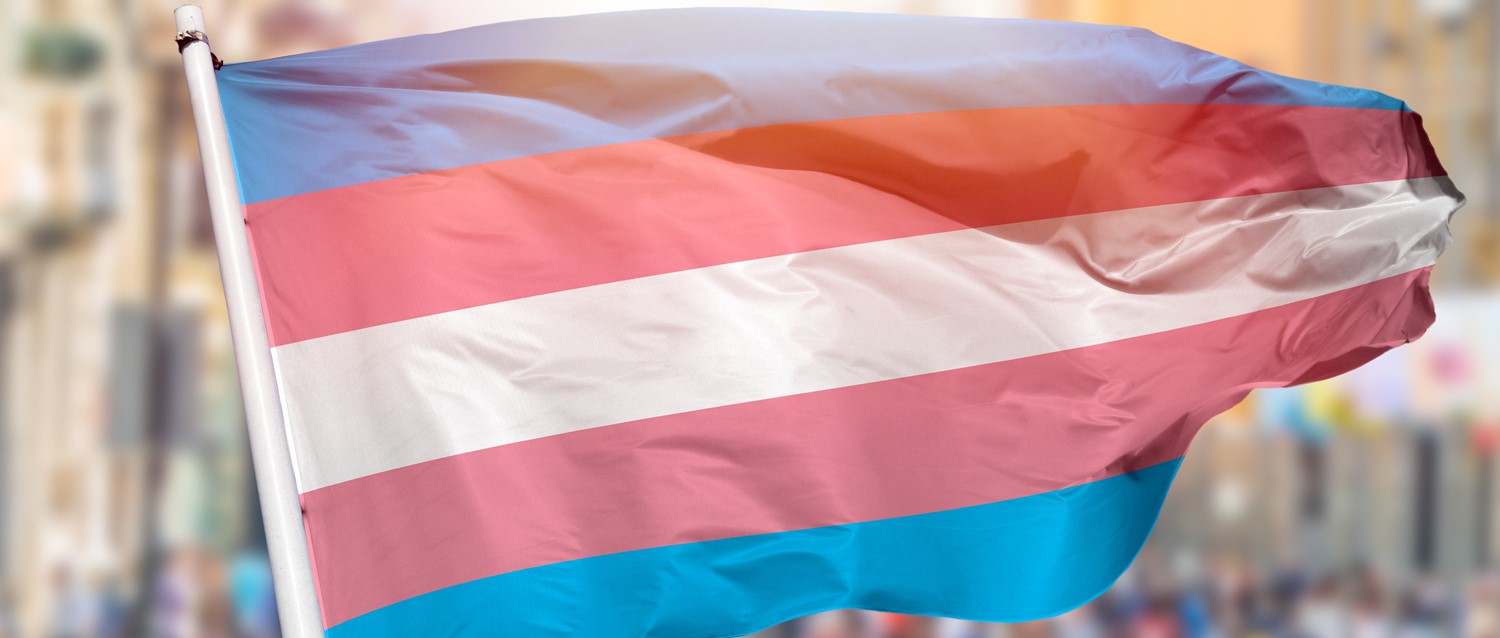
Debunking transgender stereotypes and myths
Peer reviewed by Dr Krishna Vakharia, MRCGPLast updated by Emily Jane BashforthLast updated 1 Aug 2022
Meets Patient’s editorial guidelines
- DownloadDownload
- Share
- Language
- Discussion
- Audio Version
- Add to preferred sources on Google
Myths and stereotypes about transgender people have existed for decades. Sadly, these misconceptions can create a fear of trans people, as well as increase the rates of violence and poor mental health they experience.
What does transgender mean?
Trans is an umbrella term that describes people whose gender is not the same as, or does not sit comfortably with, the sex they were assigned at birth.
LGBTQ+ human rights organisation Stonewall stresses that there is a lot of diversity within the trans community. Therefore, no two trans people are the same, just as no two cisgender people are the same. 'Cis' refers to someone who is not trans, and their gender identity matches the sex they were assigned at birth.
Also, not everyone identifies exclusively as 'male' or 'female'. There's a misconception that coming out as trans simply means someone wants to live as the 'opposite' gender, but gender exists on a spectrum - just like sexuality. While some trans people do identify as male or female, some might be genderfluid or non-binary.
Some terms worth knowing
AFAB - assigned female at birth.
AMAB - assigned male at birth.
Top surgery - an operation that changes the appearance of a person's chest by removing breast tissue.
Bottom surgery - an operation that reconstructs genitalia. Transfeminine reconstructs male genitalia into female genitalia, while transmasculine bottom surgery is female to male genitalia.
Deadnaming - calling someone by their birth name after they've changed their name as part of their transition.
Misgendering - referring to someone incorrectly in a way that does not reflect the gender they identify as.
Pronouns - most people have pronouns (some just go by their name) and pronouns tell others how we want to be referred to. Examples include he, she, they, ze, and xe.
A brief history of transgenderism - transgender facts
Transgender people have existed for centuries, with texts from 4,500 years ago suggesting that priests (known as Gala) of the Sumerian goddess Inanna were transgender. Following this, there were depictions of trans people in Mediterranean art around 3,700 years ago.
As for gender dysphoria, it is first documented in the Middle Ages. This term describes the distress and discomfort experienced by someone when their gender identity and the sex they were assigned at birth do not align.
However, for a long time, being transgender was viewed solely through a medical lens. It wasn't until 2019 that the World Health Organization (WHO) ruled being trans was not a mental health condition.
How do gender myths and stereotypes affect the trans community?
It's impossible to estimate how many transgender people there are - questions about trans identity were not added to the census survey until 2021. The best guess is around 1% of the world's population identifies as trans or non-binary, meaning there are 600,000 trans people in Britain1.
Mental health and suicide
Sadly, trans people are known to have poorer mental health than non-trans people.
The stigmatisation, oppression and gender myths that transgender people encounter contribute to mental health struggles, as well as sexual and physical violence. But, it's hard to compare stats since trans people's mental health is often absent from research. However, all available research suggests a particularly high incidence of depression, anxiety, and suicidality in the trans community2.
Research conducted on LGBTQ+ young people in Scotland found that 96% of trans youth had experienced a mental health problem, with high rates of anxiety (84%), stress (72%), and depression (74%). Plus, 22.7% of trans youth have been diagnosed with an eating disorder, while 30.2% of transgender adults have2.
Unsurprisingly, LGBTQ+ youth are also almost 50% less likely to attempt suicide if their families are supportive3.
Furthermore, 2021 was the deadliest year for trans people on record. 375 transgender people were killed in 2021 - 1 in 4 were murdered in their own home.5 While there could be a number of reasons behind these murders, researchers have been alarmed by the increase in attacks on trans people. Current thoughts indicate that these are anti-trans hate crimes.
This violence against gender-diverse people is not a new issue, hence why we honour Transgender Day of Remembrance (TDoR) on 20th November every year to remember those we've lost.
Charlie Middleton - a bisexual transgender man - says: "Growing up, I didn't realise that you can be trans and live a successful, happy, and fulfilling life. I now volunteer for charities and have tons of LGBTQ+ friends, but it wasn't an easy road. I struggled for years, denying who I was and not knowing how to tell people that I didn't feel right with the pronouns she/her."
Ramses Oliva adds: "Being both gay and transgender, I know from experience that coming out can be a lot different when it comes to gender. It's not as simple as talking about your love interests. You have to change the way people see you. Whether it's a new name, new pronouns, a new gender expression, or a transition, there is a long-term social impact to consider."
Race and gender identity
It's important to address that Black transgender people face additional struggles, whether that's homelessness, unemployment, poverty, addiction, or sexually transmitted infections.
Black trans women in particular are disproportionately affected by poor mental health. Did you know that, in America, trans women of colour have a life expectancy of 35 years of age, while that of their cisgender counterparts is 78?
Dispelling transgender stereotypes and gender myths
All trans people have surgery
Not all transgender people medically transition or have surgery, and this is not a requirement for being trans. It also isn't as easy for trans people to access gender-affirming surgery as people often think, due to waiting lists.
There often seems to be a fixation on what genitals trans people have, but this is degrading and intrusive, and questions on this should be avoided.
"For some trans people, having surgery to relieve dysphoria or create gender euphoria is an important part of their transition," explains Stonewall.
"For others, surgery isn't something they want or need to feel happy with their body. It's the same with hormones, like testosterone, and oestrogen treatments. It's important to remember that being trans isn't about having a particular appearance or particular body parts. It's something that's absolutely core to a trans person's identity and doesn't alter - whatever their outward appearance might be."
Transitioning means something different for each trans person, and this should be respected.
Transgender people are deceiving others
Being trans isn't about 'tricking' someone. Suggesting so implies that there's something deviant about being trans.
This misconception also suggests the majority of transgender people are 'confused' and not sure of their identity, but the stats suggest otherwise. In fact, 1 or 2% of trans people at most say they regret medically transitioning but might not necessarily detransition. On the flip side, when trans people have access to transgender healthcare and medical support throughout their journey, their mental health is better4.
Many trans advocates say the misconception that trans people are deceiving others is one of the biggest battles they face. Angelica Ross, CEO of TransTech Social, has stated that it "creates a phobia" and causes cis folk to be wary of transgender people.
When it comes to romantic relationships, there's a lot of discourse around whether someone has an obligation to disclose to their partner that they are trans. Ultimately, this is an individual decision and there isn't a right or wrong answer. It often boils down to whether the trans person feels safe to share that information.
Children cannot know that they are transgender
This is often a lively topic of discussion in newspapers and on TV panel shows. However, it's important to offer trans young people platforms to share their experiences. If you speak to a trans adult, there's a high likelihood they will say they 'knew' or had a feeling they were trans from a young age and having support from loved ones could have saved them a great deal of hardship.
Ultimately, children need a strong support system when they are questioning or exploring their gender. With trans youth being at greater risk of suicide, self-harm, and depression, it's vital to create safe environments where they can express themselves, allowing them not just to survive into adulthood, but to thrive.
Further reading
Family acceptance and the health of LGBTQ+ adolescents.
Patient picks for Gender identity

Healthy living
Debunking gay men stereotypes and myths
Gay stereotypes and myths can have severe mental and physical health consequences. It wasn't so long ago that it was illegal to be gay in Britain. While areas of society have progressed, it's important we continue dismantling harmful misconceptions to create safe spaces for LGBTQ+ people to be themselves.
by Emily Jane Bashforth

Healthy living
What to do if you're questioning your sexuality
If you've found yourself wondering if you might be gay, lesbian, bisexual or even asexual, you're not alone. We ask two experts to bust myths on sexual orientation and where those questioning their sexuality can go for further support and advice.
by Natalie Healey
About the authorView full bio

Emily Jane Bashforth
Feature Writer
NCTJ
Emily is a Feature Writer with Patient, writing articles on a variety of topics relating to health and well-being.
About the reviewerView full bio

Dr Krishna Vakharia, MRCGP
Chief Medical Officer for Health, Optum UK
MBChB, MRCGP(2013), BMedSci (hons), DFSRH, DRCOG, PGDipDerm (Distn)
Dr Krishna Vakharia is an NHS GP. She is also a regular examiner for the postgraduate Diploma in Practical Dermatology at Cardiff University as well as being the Chief Medical Officer for health at Optum UK.
Article history
The information on this page is peer reviewed by qualified clinicians.
Article also available in English, German, Spanish, French, Italian, Portuguese, Hindi, Hebrew, Arabic, and Swedish.
1 Aug 2022 | Latest version
Join the conversation
Share your thoughts or experiences with others in our patient communities.

Ask, share, connect.
Browse discussions, ask questions, and share experiences across hundreds of health topics.

Feeling unwell?
Assess your symptoms online for free
Sign up to the Patient newsletter
Your weekly dose of clear, trustworthy health advice - written to help you feel informed, confident and in control.
By subscribing you accept our Privacy Policy. You can unsubscribe at any time. We never sell your data.
More in healthy living
- 5 best Dry January apps for 2024
- 5 ways to get more out of every step you take on the road to better health
- New8-Week Healthy Baby Course
- Are facial workouts good for sleep, speech and oral health?
- Can you really be fit and fat?
- How to look after your mental health this winter
- Is getting a sleep divorce the key to better rest?
- Is your exercise routine giving you acne?
- Level up your real life: 6 health tips every gamer needs to know
- More than just entertainment: Jeanie Y. Chang on K-dramas and mental health
- National Houseplant Week: Health benefits of biophilia and plants
- Parental burnout: your guide to understanding and overcoming it
- Should parents worry about 'dry drowning'?
- Should you eat before swimming and what types of food are best?
- Trouble sleeping? The culprit may be something you ate
- What are the benefits of strength exercises?
- What is cortisol belly? Why stress could be making it harder to lose belly fat
- UpdatedWhat is Reformer Pilates and why is it so popular?
- Why new year's resolutions fail - and what you can do about it
- Why you don't need to detox