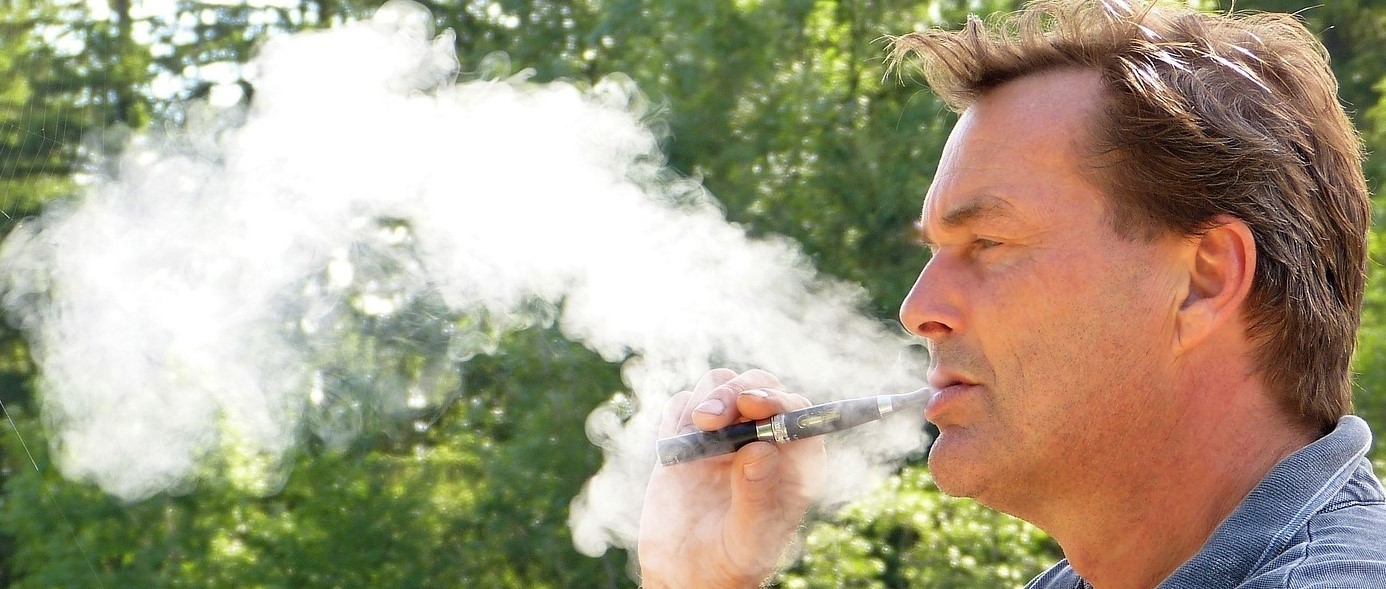
Le sigarette elettroniche potrebbero essere prescritte dal NHS per la prima volta al mondo
Revisione paritaria di Dr Sarah JarvisAutore Emily Jane BashforthPubblicato originariamente 20 Nov 2021
Rispetta le linee guida editoriali
- ScaricaScarica
- Condividi
- Language
- Discussione
- Ask Patient
- Versione audio
- Aggiungi alle fonti preferite su Google
Come parte dell'ambizione del governo di rendere l'Inghilterra libera dal fumo entro il 2030, potremmo diventare il primo paese al mondo a prescrivere sigarette elettroniche con licenza medica.
Get support to stop smoking
Get expert healthcare advice from the comfort of home. Complete a quick online consultation, available 24/7, with your request reviewed by a UK-registered clinician. Next day delivery available on eligible treatments.

Scelte video per Fumo e svapoVideo library
With the government wanting to reduce smoking rates, prescribing e-cigarettes could be a way of helping people stop smoking tobacco products.
What do those in charge think?
The idea is still in its early stages and medical regulators will collaborate with manufacturers to ensure the products are safe and effective. However, Health and Social Care Secretary Sajid Javid welcomes the step forward in the licensing process for manufacturers.
"This country continues to be a global leader on healthcare, whether it's our COVID-19 vaccine rollout saving lives or our innovative public health measures reducing people's risk of serious illness.
"Opening the door to a licensed e-cigarette prescribed on the NHS has the potential to tackle the stark disparities in smoking rates across the country, helping people smettere di fumare wherever they live and whatever their background," he said.
How will it work?
The Medicines and Healthcare products Regulatory Agency (MHRA) is now allowing manufacturers to submit their e-cigarette products for approval. The regulatory approvals for e-cigarettes are the same as for other medicines available on the health service.
Those given the green light could become licensed medical products. However, it will be down to clinicians to decide on a case-by-case basis whether prescribing an e-cigarette would help a tobacco smoker quit.
It remains the case that non-smokers and children are strongly advised against using e-cigarettes.
Will prescribing e-cigarettes actually reduce smoking rates?
Most e-cigarettes contain nicotine and they are not risk free. However, expert reviews from the UK and USA have been clear that the regulated e-cigarettes are less harmful than smoking. A medicinally licensed e-cigarette would have to pass even more rigorous safety checks.
Smoking remains the leading preventable cause of premature death. While rates are at record low levels in the UK, there are still around 6.1 million smokers in England.
E-cigarettes were the most popular aid used by smokers trying to quit in England in 2020. They have been shown to be highly effective in supporting those trying to quit, with 27.2% of smokers using them. In comparison, 18.2% use nicotine replacement therapy products, such as patches and gum.
Some of the highest success rates of those trying to quit smoking are among people using an e-cigarette to kick their addiction. Up to 68% of smokers successfully quit in 2020-2021 if they combined e-cigarettes with expert input from local Stop Smoking services.
Almost 64,000 people died from smoking in England in 2019 and the Office for Health Improvement and Disparities (OHID) is supporting efforts to level up public health and ensure communities across the country have equal health outcomes.
The e-cigarette initiative also hopes to tackle the stark differences in smoking rates across the country. Smoking rates in Blackpool (23.4%) and Kingston upon Hull (22.2%) are poles apart from rates in wealthier areas, such as Richmond upon Thames (8%).
Reducing health disparities - including in smoking rates - and keeping people in better health for longer are good for the individual, families, society, the economy and the NHS. To achieve this overall ambition, the OHID will work collaboratively at national, regional and local levels. They will also work alongside the NHS, academia, the third sector, scientists, researchers and industry.
The government will soon publish a new Tobacco Control Plan which will set out the roadmap for achieving a smoke-free England by 2030.
Scelte del paziente per Fumo e svapo
Vita sana
Cosa fare se ricadi nel vizio dopo aver smesso di fumare
Non arrenderti! Questo è il messaggio se hai avuto una ricaduta dopo aver smesso di fumare. Fumare è un'abitudine difficile da abbandonare, quindi non essere troppo duro con te stesso se trovi difficile smettere. Ci sono molte tecniche che possono aiutarti a rimetterti in carreggiata e a mantenere il proposito a lungo termine.
di Andrea Downey

Vita sana
Test di Fagerström
Il test di Fagerström è un questionario che può essere utilizzato per verificare se sei dipendente dalla nicotina nelle sigarette.
di Dr Colin Tidy, MRCGP
Informazioni sull'autoreVisualizza il profilo completo
Autore

Emily Jane Bashforth
Scrittore di articoli
NCTJ
Emily è una scrittrice di articoli per Patient, scrivendo articoli su una varietà di argomenti relativi alla salute e al benessere.
Informazioni sul recensoreVisualizza il profilo completo

Dr Sarah Jarvis
Consulente Clinico
MA (Cantab), BM, BCh (Oxon), DRCOG, FRCGP, MBE
Dopo aver completato la formazione in medicina a Cambridge e Oxford, la Dott.ssa Sarah Jarvis MBE è diventata un medico di base.
Storia dell'articolo
Articolo disponibile anche in Inglese, Tedesco, Spagnolo, Francese, Italiano, Portoghese, Hindi, Ebraico, Arabo, and Svedese.
20 Nov 2021 | Pubblicato originariamente
Autore:
Emily Jane BashforthRevisione paritaria di
Dr Sarah Jarvis
Condividi i tuoi pensieri o esperienze con gli altri nel nostro comunità di pazienti.
Iscriviti alla newsletter di Patient
La tua dose settimanale di consigli sulla salute chiari e affidabili - scritti per aiutarti a sentirti informato, sicuro e in controllo.
Abbonandoti accetti i nostri Informativa sulla Privacy. Puoi annullare l'iscrizione in qualsiasi momento. Non vendiamo mai i tuoi dati.