Wart and verruca treatment options
Peer reviewed by Dr Hayley Willacy, FRCGP Authored by Dr Colin Tidy, MRCGPOriginally published 1 Jul 2018
Meets Patient’s editorial guidelines
- DownloadDownload
- Share
- Language
- Discussion
- Audio Version
- Add to preferred sources on Google
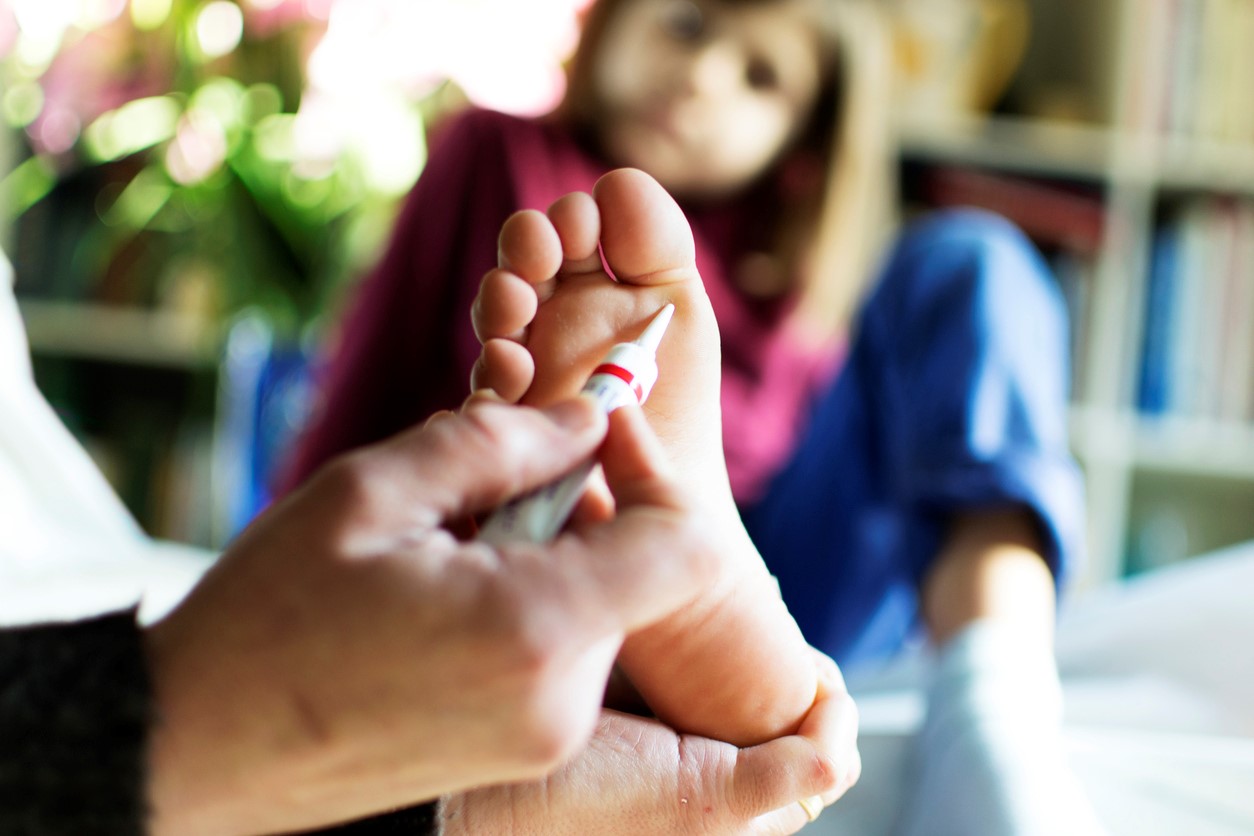
Warts are very common and usually harmless. Warts on the feet are called verrucas (or verrucae) and are sometimes painful. Warts and verrucas usually disappear without treatment but can remain for a long time. There are a number of different treatments that can help to get rid of them more quickly.
There are three options for the management of warts and verrucas (warts on the soles of the feet):
Do not treat them. If warts don't bother you, there is no reason for active treatment.
Use home treatment. There are a number of home treatments to try, including:
Covering them up (occlusion).
Chemical burning (salicylic acid).
Freezing (cryotherapy).
Liquid nitrogen cryotherapy (intensive freezing) or minor surgery.
There is no perfect treatment with no risks so it's important to consider which treatment (if any) is best for you. The following information may help you compare and weigh up the different options.
No treatment
| No active treatment. Just leave them to go away on their own. |
Benefits | 3 in 10 cases of warts will disappear without treatment within three months. However, some will last for years. Not using any treatment has no side-effects and you don't need to bother about them. You do not need to cover them when you swim because this does not reduce the risk of infecting others. |
Risks | 7 in 10 cases of warts will not go within three months. There is a small possibility they might spread. Plantar warts (verrucas - on the bottom of your feet) can be painful but you can pare them down with an emery board. |
Home treatments
| Covering with duct tape. | Caustic agents - eg, salicylic acid preparations. | Home freezing (cryotherapy). |
| This involves covering the wart with a piece of waterproof tape (ie duct tape) and leaving it for six days. After removing the tape, rub with a nail file or pumice stone and reapply the tape the next day. Repeat until the wart has gone, but for no longer than two months. | These are widely available over the counter. Involves putting ointment directly on to the wart, sometimes covering with a dressing. Follow the instructions on the label. These agents are more effective if you soften the wart first. | You can buy an over-the-counter 'freezing' kit. Follow the instructions on the label.
|
Benefits | This treatment may be effective in about 8 in every 10 people. It is cheap and easy to apply. The duct tape softens the skin and may make it less painful. There is no danger of chemical burns or ulceration. It can be used to treat a wider area of warts and large areas of verrucas. | One study suggested about 8 in every 10 warts cleared within 6 weeks. It works as well as or better than any other treatment for warts, but may take some weeks or months. Relatively cheap and easy to apply. Softens and dissolves the skin and may make it less painful. Can be used in young children (from 4-5 years). | This can be a quick, one-off treatment, but you can repeat it. Can work for a single localised wart or verruca. Some GP practices offer this treatment. |
Risks | It will NOT work in 2 in every 10 people. Can cause verrucas to become more painful or uncomfortable when standing on them. The tape can loosen and roll up. This treatment takes time. It should not be used on feet which have reduced feeling or poor circulation (such as if you have diabetes). | These can irritate the surrounding skin which can cause more pain. Can cause ulceration and should not be used by patients with diabetes or bad circulation. Can only be used on a small area at a time. | This is relatively expensive unless your GP practice offers it. This treatment can be painful. It is only useful for individual warts. It should not be used for young
|
Intensive freezing (cryotherapy) or minor surgery
| Freezing (cryotherapy). | Minor surgery. |
| Involves freezing the wart, usually using liquid nitrogen. The result is a small area of frostbite where the wart was. This is often done as a one-off treatment but sometimes a course of treatments is needed. | Surgical excision of the wart and surrounding tissue. The wound is usually stitched. This is done in a minor surgery clinic but many |
Benefits | Causes a deeper and more thorough 'freeze' than home treatment options. Seems to work best for single or small warts or verrucae. Studies vary but about 4 in every 10 warts or verrucas will be cured. Repeated treatments are probably better than single treatments. | One-off treatment. Removes the wart or verruca completely. |
Risks | Treatment can be painful. Can only be used to treat small areas at one time. Not for use in children under 8 years old. Can cause ulceration in people with poor circulation to hands or feet. | Requires local anaesthetic (an injection). Requires a visit to the doctor and may not always be available in your area. Warts often return after
|
Patient picks for General skin conditions
Skin, nail and hair health
Dry skin in winter: what cold weather can do to your skin
Cold weather can be tough on our skin, and dry skin in winter can cause or inflame a number of skin conditions. Lesser known effects of winter weather include allergic reactions and the spread of infections that also trigger skin problems.
by Amberley Davis

Skin, nail and hair health
How to stop your child catching a verruca
Verrucas are very common in children and teenagers – around one in three will get them. They’re actually warts on the feet, caused by the human papillomavirus, but they don’t look like normal warts because they’re pressed in.
by Danny Chadburn
About the authorView full bio
Authored by

Dr Colin Tidy, MRCGP
General Practitioner, Medical Author
MBBS, MRCGP, MRCP (Paediatrics), DCH
Dr Colin Tidy is an NHS Doctor, based in Oxfordshire.
About the reviewerView full bio

Dr Hayley Willacy, FRCGP
General Practitioner, Medical Author
MBChB (1992), DRCOG, DFFP, MRCOG (Part 1) MRCGP (2007), DFSRH (2013), MSc - medical education (2020)
Dr Hayley Willacy was an NHS GP working in northwest England, who retired from clinical practice in 2022 after 30 years.
Article history
Article also available in English, German, Spanish, French, Italian, Portuguese, Hindi, Hebrew, Arabic, and Swedish.
1 Jul 2018 | Originally published
Authored by:
Dr Colin Tidy, MRCGPPeer reviewed by
Dr Hayley Willacy, FRCGP
Join the conversation
Share your thoughts or experiences with others in our patient communities.

Ask, share, connect.
Browse discussions, ask questions, and share experiences across hundreds of health topics.

Feeling unwell?
Assess your symptoms online for free
Sign up to the Patient newsletter
Your weekly dose of clear, trustworthy health advice - written to help you feel informed, confident and in control.
By subscribing you accept our Privacy Policy. You can unsubscribe at any time. We never sell your data.