
Avremo bisogno di un vaccino di richiamo per il COVID-19 ogni anno?
Revisione paritaria di Dr Krishna Vakharia, MRCGPUltimo aggiornamento di Lydia SmithUltimo aggiornamento 23 Ott 2023
Rispetta le linee guida editoriali
- ScaricaScarica
- Condividi
- Language
- Discussione
- Ask Patient
- Versione audio
- Aggiungi alle fonti preferite su Google
I vaccini di richiamo per il COVID-19 sono essenziali, offrendoti una protezione a lungo termine contro il rischio di ammalarti gravemente a causa della malattia. E con l'aumento dei casi di infezione e dei ricoveri ospedalieri nel Regno Unito, coloro che sono idonei per il vaccino sono invitati a fare il richiamo. Ma avremo sempre bisogno di richiami periodici contro il COVID-19, come facciamo contro l'influenza?
Why we need COVID-19 booster vaccines
William Schaffner, a professor of preventative medicine at Vanderbilt University, explains that booster vaccines stimulate the sistema immunitario to raise antibody levels. "Higher antibody levels generally are associated with a longer length of protection against serious disease as well as some enhanced protection against variants," he says.
Researchers are always trying to develop new and improved vaccines in the fight against COVID-19, with new competitors joining the mix. As well as the Pfizer and Moderna vaccines, a jab by Sanofi was approved for use in the UK in 20221. In the US, a vaccine by the company Novovax was authorised by the Government's Food and Drug Association2.
However, only time will tell if we need a jab every year to protect against COVID-19.
Rodney E. Rohde, a professor of clinical laboratory science and an infectious disease specialist at Texas State University. "At present, with the evolving timeline with SARS-CoV-2, we don't know for sure if we will need annual vaccinazione per COVID-19 infections as we do for flu (influenza). There are so many unknown variables at the moment."
COVID-19 mutations
There are several reasons why we may need to get a COVID-19 booster vaccine every year.
"The SARS-CoV-2 virus is probably a zoonotic virus - that can be transmitted from animals to humans - and we have evidence of it in a variety of animals," explains Rohde.
"That means it will have an ongoing reservoir to maintain itself alongside ongoing mutation. The CoV family has ribonucleic acid RNA as its genetic material - and many RNA viruses have the unfortunate ability to mutate quickly."
Several vaccines, being commonly used, need boosters. "For example, to maintain protection against tetano, a booster vaccination is recommended every ten years," says Rohde. "Influenza vaccination is required annually because the virus changes frequently."
With COVID-19, Schaffner explains, two things need to be known. "First, the length of protection given by our current boosters. And secondly, whether the COVID-19 virus will mutate enough to stop protection from the available vaccines."
Researchers do not yet know whether the strains of the virus will be able to outsmart our current vaccines, so that even vaccinated people become seriously ill with COVID-19. "Testing is ongoing, but there are early signs that the Omicron variant and subsequent strains may be able to lessen the protection of our current vaccines," Schaffner says.
Ultimately, we will know more as experts monitor people who have been vaccinated and received boosters.
Will the current vaccines work against new strains of COVID-19?
So far, we know that the COVID-19 virus is able to mutate pretty quickly. For example, the latest strain in the UK - Pirola - is a heavily mutated version of the virus and early evidence suggests it has a higher reinfection risk. However, scientists say the vaccines we currently have are capable of protecting us from the serious illness caused by Pirola. Although you might become infected, if you're vaccinated, you're far less likely to end up in hospital with serious complications caused by the virus.
Another key issue is that we need to make sure people have their boosters when offered them - and to ensure that everyone around the world is able to get a jab.
"We must follow the science in real time to answer these questions in the best way" says Rohde. "We also need not only higher acceptance of vaccines and boosters, but also vaccine equity for global protection. Without vaccine equity, we will have major pockets of unprotected populations which allows ongoing virus mutations."
Who can get a COVID-19 booster vaccine?
Those most at risk can have a COVID-19 booster vaccination for free on the NHS. All adults aged 65 years and over are being offered the vaccine automatically.
As of September 2023 you can only get the COVID-19 vaccine from the NHS if you meet certain criteria.
The following groups can have a booster vaccination this autumn:
Residents in care homes for older adults.
Adults aged 65 years and over.
People aged 6 months to 64 years in a clinical risk group.
Frontline health and social care workers.
People aged 12 to 64 who are household contacts of people with weakened immune systems.
People aged 16 to 64 who are carers and staff working in care homes for older adults.
Donne incinte.
Ulteriori letture
COVID-19
Scelte del paziente per Vaccinazione, test e trattamento

COVID-19
Test e tracciamento: come funziona?
La campagna per scaricare l'app NHS COVID-19 è ora a pieno regime. Quindi, come funziona il programma di test e tracciamento del governo e cosa significherà per te scaricare l'app?
di Abi Millar
COVID-19
Che cos'è il test del sangue per gli anticorpi COVID-19 e dovrei farlo?
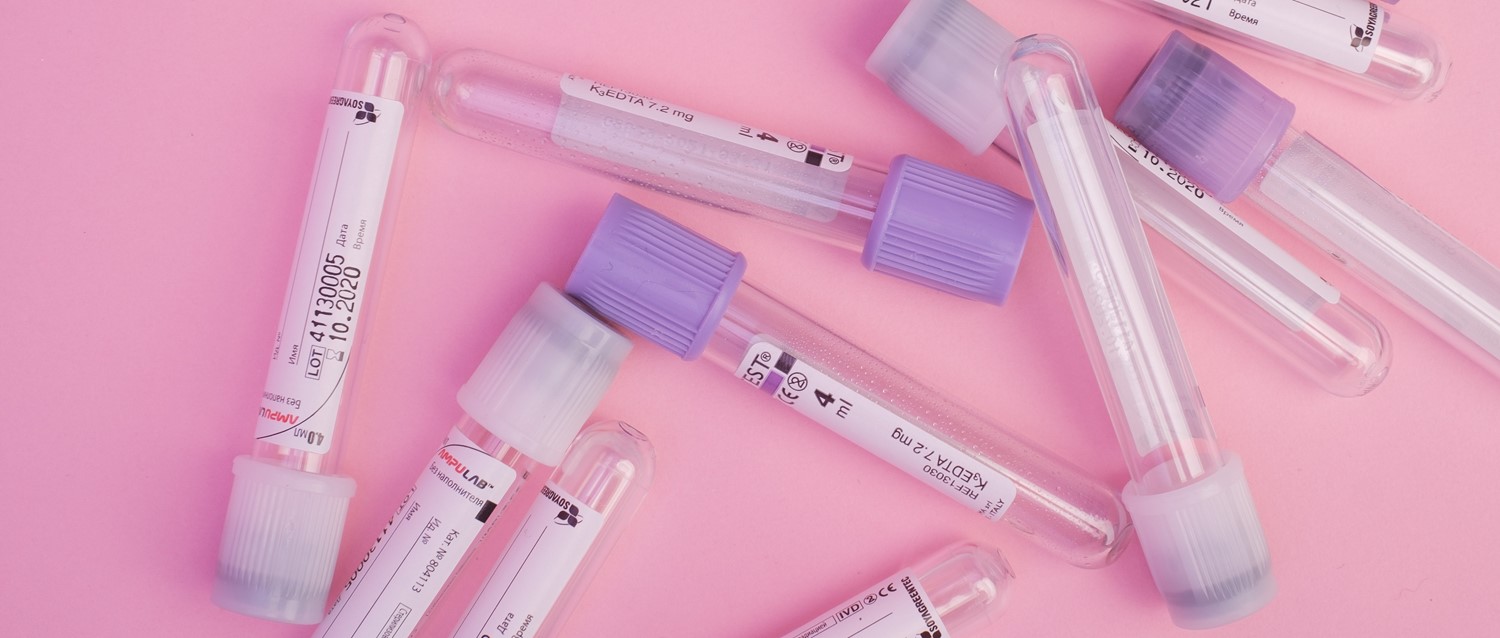
The COVID-19 antibody blood test can be used to test the level of antibodies your immune system has produced to COVID-19, either in response to infection or the vaccine. This can give you peace of mind, and can now be done from the safety and comfort of home. However, it's important to remember that antibody test kits won't give you the full picture of your immunity against COVID-19.
di Amberley Davis
Informazioni sull'autoreVisualizza il profilo completo
Aggiornato da

Lydia Smith
Scrittore di articoli
BA, MA, MSc
Lydia Smith è una giornalista pluripremiata e scrittrice di articoli che ha scritto ampiamente sulla salute delle donne e sulla salute mentale. Attualmente sta studiando per un MSc in psicologia.
Autore
Lydia Smith
Scrittore di articoli
BA, MA, MSc
Lydia Smith è una giornalista pluripremiata e scrittrice di articoli che ha scritto ampiamente sulla salute delle donne e sulla salute mentale. Attualmente sta studiando per un MSc in psicologia.
Informazioni sul recensoreVisualizza il profilo completo

Dr Krishna Vakharia, MRCGP
Direttore Sanitario per la Salute, Optum UK
MBChB, MRCGP(2013), BMedSci (hons), DFSRH, DRCOG, PGDipDerm (Distn)
La Dott.ssa Krishna Vakharia è un medico di base del NHS. È anche un'esaminatrice regolare per il Diploma post-laurea in Dermatologia Pratica presso l'Università di Cardiff, oltre ad essere il Direttore Medico per la salute presso Optum UK.
Storia dell'articolo
Articolo disponibile anche in Inglese, Tedesco, Spagnolo, Francese, Italiano, Portoghese, Hindi, Ebraico, Arabo, and Svedese.
Next review due: 23 Oct 2026
23 Ott 2023 | Ultima versione
7 Dic 2021 | Pubblicato originariamente
Autore:
Lydia Smith
Condividi i tuoi pensieri o esperienze con gli altri nel nostro comunità di pazienti.
Accesso semplice a trattamenti affidabili e servizi sanitari online.
Common conditions
Get help with common conditions through the NHS, without a GP appointment.
 Sinusite acuta
 Tonsillite batterica
 Impetigine
 Punture di insetti
 Fuoco di Sant'AntonioInfezioni delle vie urinarie (IVU)
Iscriviti alla newsletter di Patient
La tua dose settimanale di consigli sulla salute chiari e affidabili - scritti per aiutarti a sentirti informato, sicuro e in controllo.
Abbonandoti accetti i nostri Informativa sulla Privacy. Puoi annullare l'iscrizione in qualsiasi momento. Non vendiamo mai i tuoi dati.