Cosa sappiamo delle nuove varianti COVID-19 Eris e Pirola
Revisione paritaria di Dr Krishna Vakharia, MRCGPAutore Lydia SmithPubblicato originariamente 12 Set 2023
Rispetta le linee guida editoriali
- ScaricaScarica
- Condividi
- Language
- Discussione
- Ask Patient
- Versione audio
- Aggiungi alle fonti preferite su Google
Con i lockdown ormai un ricordo del passato, il COVID-19 potrebbe non essere al centro dei pensieri di tutti - ma continua a diffondersi. E finché lo farà, le mutazioni del virus, spesso chiamate varianti diverse, continueranno a emergere. Qui esaminiamo ciò che sappiamo sui due nuovi ceppi, Eris e Pirola.
Scelte video per Informazioni sulle variantiVideo library
What we know about the new COVID-19 variant Eris
As a virus spreads from person to person, its genetic make-up gradually changes. This mutation process helps to ensure the virus can survive, to allow it to continue spreading and reproducing.
Since it emerged, COVID-19 has continued to mutate into many different variants, which has enabled it to evade immune responses and vaccini. So even though getting your jabs will prevent against serious illness, they may not always stop you from getting the virus. However, your symptoms will be milder.
One of the newest COVID-19 variants - called EG.5.1 or Eris - emerged in the UK over the summer. First classified as a variant by the World Health Organization (WHO) on 9th August1, it is a descendent of the Omicron variant which first appeared in November 2021 and has had many sub-variants.
Eris is now the second most common variant in the UK2 and the most prevalent in the United States, according to the Centers for Disease Control and Prevention (CDC)3.
What are the symptoms of Eris?
Currently, there is no evidence to suggest Eris causes any new COVID-19 symptoms. The symptoms we are aware of include - febbre, aches and pains, a continuous tosse, changes in taste and/or smell, stanchezza, runny nose and a mal di gola.
Is Eris dangerous?
Although hospital admissions for COVID-19 have risen over the summer4, the WHO has said the public health risk posed by Eris is low. The rise in cases and hospital admissions have been attributed to waning immunity and a rise in indoor mixing because of the wet weather.
Mary Ramsay, head of immunisation at the UK Health Security Agency, said in a statement: "The latest data shows that COVID-19 cases continue to rise. To help combat the spread of the virus, we continue to advise that anyone with symptoms of a respiratory infection should try to stay at home and away from others - especially those who are vulnerable.
"Hospitalisations are also increasing, but still remain at very low levels. ICU admissions have increased in this week's report, but remain extremely low."
The best way to protect yourself from any COVID-19 variant is to keep up-to-date with your richiamo vaccinations, as this protects you against severe disease.
What we know about the new COVID-19 variant Pirola
Another COVID-19 variant called BA.2.86 or Pirola is also spreading5. Like Eris, Pirola is another sub-variant of Omicron. This variant was detected in the UK on 18th August and has also been identified in Israel, Denmark and the US.
What are the symptoms of Pirola?
The symptoms of Pirola are similar to other COVID-19 variants and include - febbre, aches and pains, a continuous tosse, changes in taste and/or smell, stanchezza, runny nose and a sore throat.
Is Pirola dangerous?
Experts have noted that Pirola has many genetic differences from previous versions of COVID-196.
Because this variant has more mutations, it may be more likely to cause ‘breakthrough infections’ - where people still get infected with the virus despite being fully vaccinated. However, being vaccinated prevents serious illness if you do catch COVID-19.
It is too soon to know whether the Pirola variant will cause more severe illness compared with previous variants, according to the CDC. At the moment, though, there's no evidence to suggest it's more dangerous.
It's important to get your vaccini to prevent against serious illness with any variant of COVID-19.
How to protect yourself against COVID-19
Get your COVID-19 vaccinations.
Wash your hands frequently and thoroughly.
Wear a mask in public.
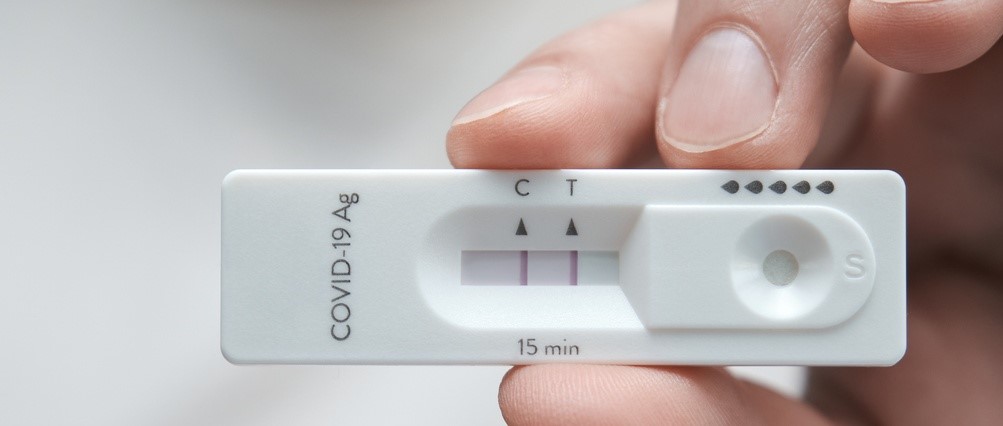
Avoid other people if you have symptoms or get a positive result after doing a test.
Test yourself if you have symptoms.
Let fresh air into your home.
Ulteriori letture
Scelte del paziente per Informazioni sulle varianti

COVID-19
COVID-19: Quanto è contagiosa Omicron?
A new variant of COVID-19 was discovered in late November 2021. Named Omicron (and known scientifically as B.1.1.529), the variant was identified by Dr Angelique Coetzee of the South African Medical Association. We're still in the early stages, and not a lot is known about the Omicron variant just now - new information is coming to light each day. However, we can explore how contagious it could be, and how we can protect ourselves against it.
di Emily Jane Bashforth
COVID-19
Quali sono i sintomi della variante Pirola del COVID-19?
I casi di COVID-19 sono in aumento, alimentati dalla diffusione di una nuova variante chiamata Pirola. Ma come puoi sapere se hai il virus - e dovresti isolarti?
di Lydia Smith
Informazioni sull'autoreVisualizza il profilo completo
Autore

Lydia Smith
Scrittore di articoli
BA, MA, MSc
Lydia Smith è una giornalista pluripremiata e scrittrice di articoli che ha scritto ampiamente sulla salute delle donne e sulla salute mentale. Attualmente sta studiando per un MSc in psicologia.
Informazioni sul recensoreVisualizza il profilo completo

Dr Krishna Vakharia, MRCGP
Direttore Sanitario per la Salute, Optum UK
MBChB, MRCGP(2013), BMedSci (hons), DFSRH, DRCOG, PGDipDerm (Distn)
La Dott.ssa Krishna Vakharia è un medico di base del NHS. È anche un'esaminatrice regolare per il Diploma post-laurea in Dermatologia Pratica presso l'Università di Cardiff, oltre ad essere il Direttore Medico per la salute presso Optum UK.
Storia dell'articolo
Articolo disponibile anche in Inglese, Tedesco, Spagnolo, Francese, Italiano, Portoghese, Hindi, Ebraico, Arabo, and Svedese.
12 Set 2023 | Pubblicato originariamente
Autore:
Lydia SmithRevisione paritaria di
Dr Krishna Vakharia, MRCGP
Condividi i tuoi pensieri o esperienze con gli altri nel nostro comunità di pazienti.
Iscriviti alla newsletter di Patient
La tua dose settimanale di consigli sulla salute chiari e affidabili - scritti per aiutarti a sentirti informato, sicuro e in controllo.
Abbonandoti accetti i nostri Informativa sulla Privacy. Puoi annullare l'iscrizione in qualsiasi momento. Non vendiamo mai i tuoi dati.