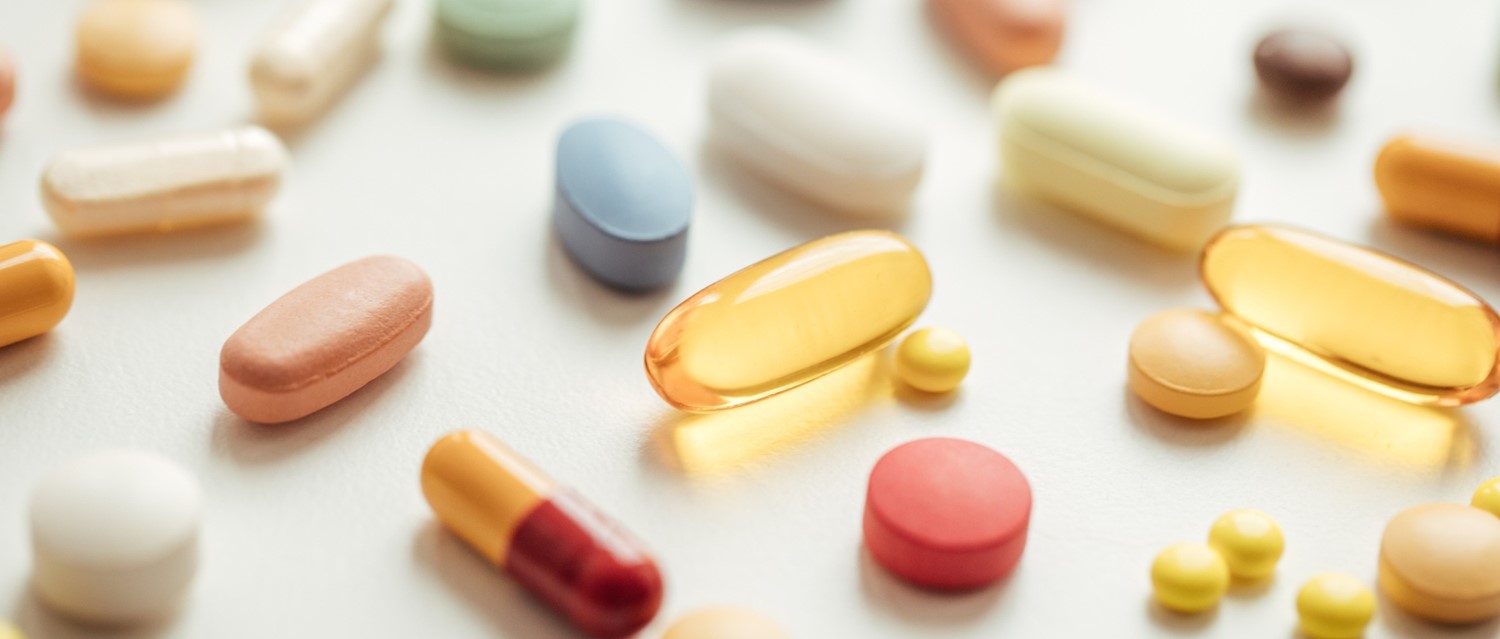
COVID-19: can I still get my prescription during the coronavirus lockdown?
Peer reviewed by Dr Sarah JarvisAuthored by Ellie BroughtonOriginally published 8 May 2020
Meets Patient’s editorial guidelines
- DownloadDownload
- Share
- Language
- Discussion
- Audio Version
- Add to preferred sources on Google
As cases of coronavirus continue to rise, staying in good health has become trickier thanks to social distancing, self-isolating and shielding rules to curb the spread of the virus. With GPs and pharmacists working particularly hard to keep services running during this time, the way we ask for and fulfil prescriptions is changing.
Use Patient's coronavirus checker tool if you have any symptoms of fever or a new cough. Until you have used the tool and been advised what action to take, please stay at home and avoid contact with other people.
On 19 March 2020, UK GP practices moved to 'total triage' - every patient who can be treated remotely should be advised over the phone or online. For the moment, turning up at your local surgery should be avoided but doctors, nurses and pharmacists are still working. You'll still be able to get the advice and medical care you need during the lockdown - just bear in mind that things will be working a little differently.
Pharmacies are still open
"We are supporting patients' health and social care needs. This includes managing COVID-19 and non-COVID symptoms, managing medicine (especially changes or initiations), and providing access to health advice, particularly for young families and new mums," says Ade Williams, a community pharmacist in Bristol.
Pharmacies have asked that patients make some adjustments to help protect other patients and community staff. For example:
You shouldn't visit if you have coronavirus symptoms (including a new, continuous cough or a fever).
Try to be patient with staff and expect to queue.
Avoid calling the pharmacy unless absolutely necessary.
Follow all social distancing rules enforced by the pharmacy. Always keep two metres between you and another person.
Supplies of some medicines might be affected, so pharmacists will be able to answer questions about changes or initiations of different drugs on your script, Williams says. "Some are as a result of medicine stock shortages but most are for ongoing therapy, including end of life and cancers."
The ABPI, the UK body for the pharmaceutical industry, has stated that members are not currently reporting any concerns about shortages of medicines that relate to the loss of manufacturing capacity as a result of COVID-19 restrictions.
Helping patients find the right care
Pharmacists can help patients make the right decisions about whether to see a doctor or go to hospital. For example, Williams has seen a patient with rectal bleeding associated with weight loss who was reluctant to visit the GP. They were looking to manage the symptoms with over-the-counter medicine. Another had had unexplained loss of sight in one eye.
"One very important role is signposting 'red flag' symptoms, as patients may be reluctant to access medical services, thereby delaying treatment," says Williams.
You shouldn't delay getting treatment if you need it. Some people are avoiding seeking care from their GP or A&E department as they worry about burdening the NHS or putting themselves at risk of coronavirus. But the health service is still open and encouraging people who need advice, screenings or treatment to ask for it. They are taking extra precautions to keep staff and patients safe so that their work can continue as normally as possible.
Staff at Williams' pharmacy are also helping vulnerable patients to access key lockdown services that they might otherwise have asked their GP for help with. These include food banks, isolation support and housing services, and care and food for pregnant patients and patients with chronic or acute conditions.
Switching to video consultations
Dr Gavin Jamie, a GP in Swindon, is also working through lockdown, despite the challenges. "It is a bit of an odd time for practices and patients. We are dealing with a lot of patients over the phone and only seeing patients face to face if absolutely necessary.
"Even now, we would encourage patients to contact the surgery as normal. Have a look at the practice website, or in some cases their Facebook page, so that you know when appointments are getting back to normal. Like the rest of society, there is unlikely to be an abrupt return to normal; rather, a gradual change to doing more things face to face."
For patients with new symptoms, phone and video calls can help a doctor work out what treatment to advise. "We have been using video consultations where appropriate. It can help with some rashes, although the quality is generally not good enough for a precise diagnosis on its own. It can be useful to get a general idea of how someone is. It can be useful in children, and is likely to be useful in palliative care."
Some pharmacies are also offering video or telephone consultations during the lockdown, including through Patient Access.
Ordering your prescription
Dr Jamie’s surgery encourages prescription requests to come in via apps or by email. Apps such as Patient Access can be used to book appointments, order repeat prescriptions and view your medical records. If you usually request repeat prescriptions in person, check with your surgery their preferred method of arranging repeat prescriptions during the lockdown: many have stopped taking repeat prescription requests over the phone, as well as in person.
Dr Jamie's practice is also able to send all prescriptions to pharmacies electronically. "This prevents a bit of paper moving through several hands and so reduces infection," he explains.
"We don't need to have the physical piece of paper for repeat prescriptions. If you're using an app, we just tick things off a list. Requests via email are fine at our practice too - but please check the spellings. I sometimes have to read things out loud before I can work out what is being requested." It's important to check with your practice (try the practice website first for information) before you order, as some practices may not accept email requests.
On the Patient Access app, you can choose which pharmacy you'd like your prescription delivered to (your 'nominated' pharmacy). This information will come up automatically when your GP sends the prescription for dispensing. If you need to collect your prescription from a different pharmacy - say, because you've moved in for lockdown with a relative - you can change your nominated pharmacy on Patient Access at the touch of a button.
He admits the system isn't perfect - for example, some pharmacies only download the prescriptions three or four times a day, so it can be a few hours before a prescription becomes available. However, most practices ask for at least two or three working days' notice to issue repeat prescriptions, and online requests with electronic transmission to the pharmacy are almost always the quickest way to get your medication.
If you're unable to leave your house to pick it up because you are self-isolating or shielding, find out if the pharmacy has a delivery service available or whether a neighbour is able to help you out. Those who are shielding can also have medication delivered by NHS volunteers.
Patient picks for Pandemic articles
COVID-19
COVID-19 coronavirus: when will we have a vaccine?
Medical experts around the world are working around the clock to develop a vaccine for COVID-19 as it continues to spread around the globe. But how are vaccines made and when are we likely to have one for coronavirus?
by Andrea Downey

COVID-19
Why lockdown is making us feel exhausted
Living through a global health crisis takes its toll on your physical and mental well-being. As the weeks go on under quarantine, lots of people have experienced a rollercoaster of emotions and feelings - from sadness and anger to tiredness and feeling groggy.
by Lydia Smith
About the author
Authored by

Ellie Broughton
About the reviewerView full bio

Dr Sarah Jarvis
Clinical Consultant
MA (Cantab), BM, BCh (Oxon), DRCOG, FRCGP, MBE
After training in medicine at Cambridge and Oxford, Dr Sarah Jarvis MBE became a GP.
Join the conversation
Share your thoughts or experiences with others in our patient communities.

Ask, share, connect.
Browse discussions, ask questions, and share experiences across hundreds of health topics.

Feeling unwell?
Assess your symptoms online for free
Sign up to the Patient newsletter
Your weekly dose of clear, trustworthy health advice - written to help you feel informed, confident and in control.
By subscribing you accept our Privacy Policy. You can unsubscribe at any time. We never sell your data.