COVID-19: cosa dovrei fare se penso di avere il coronavirus?
Revisione paritaria di Dr Sarah JarvisAutore Milly EvansPubblicato originariamente 11 Mar 2020
Rispetta le linee guida editoriali
- ScaricaScarica
- Condividi
- Language
- Discussione
- Ask Patient
- Versione audio
- Aggiungi alle fonti preferite su Google
Like many other countries, the UK is seeing an increase in diagnoses of COVID-19. If you think you might have contracted the virus, what should you do?
Scelte video per Informazioni generaliVideo library
Please note that the information in this article has not been updated since it was written and cannot be relied upon. You can find our latest features and advice on coronavirus and COVID-19 at our coronavirus hub.
Usa del paziente strumento di controllo del coronavirus se hai qualunque sintomo di febbre o una nuova tosse. Fino a quando non avrai utilizzato lo strumento e ricevuto consigli su quale azione intraprendere, per favore resta a casa ed evita il contatto con altre persone.
Across the world, countries are taking serious measures to minimise the outbreak of the virus including going into quarantine, widespread testing and the closure of public spaces.
Segni e sintomi
The symptoms of COVID-19 are very similar to other respiratory infections like cold and flu. According to a study published in The Lancet, the proportion of infected people with the following symptoms of coronavirus infection is:
Febbre - 98%.
Tosse - 76%.
Fiato corto - 55%.
Dolore muscolare o stanchezza - 44%.
Espettorazione di catarro - 28%.
Mal di testa - 8%.
Espettorazione di sangue - 5%.
Some people may also have a runny or blocked nose, sore throat and sneezing.
However, it is possible to have coronavirus, and be able to pass it on, without having any symptoms. That's why it's important to take action if you are advised to, to avoid passing it on to anyone who may be at greater risk of a serious infection.
If you think there is a chance you might have coronavirus, you should isolate yourself immediately and use our strumento di controllo del coronavirus.
Self-isolation: what does it mean?
You must auto-isolarti per sette giorni if you develop any symptoms of febbre or a new tosse. If you are part of a household and anybody in that household develops symptoms, everyone else must isolate for fourteen days. If more people in the household develop symptoms, they must isolate for a further seven days from the start of their symptoms, even if it means isolating for more than fourteen days.
If you are asked to self-isolate, you must:
Resta a casa.
Not go to school, work or public places.
Not attend your GP surgery - if you have to attend hospital, do not use public transport to get there.
Not use public transport, including taxis.
Ask friends, family or delivery services to do errands for you.
Avoid visitors to your home, except to drop off food or supplies.
If you share a house, try and stay in one room away from other members of the household.
Avoid sharing towels, crockery, cutlery or bedding.
If your fever is gone and you feel better, you can leave isolation at the end of your allotted period. You must continue to isolate until the end of the period. Your cough may persist after your fever is gone.
If you continue to feel unwell or worse, you should use the coronavirus checker tool again and contact NHS 111 or the relevant number for your region if instructed.
If you have to be away from work to self-isolate, you may be worried about pay. The government has announced that workers will receive statutory sick pay from day one of isolation, in an emergency move to prevent people working when they should be in isolation. This does not apply to freelancers, those who work for themselves or those earning less than £118 a week. The government says it is discussing other options to ensure that people are able to self-isolate if required.
How does testing work?
People with mild cases of coronavirus are no longer being tested in the UK. Only those who are admitted to hospital with a moderate or severe respiratory infection will be tested.
Health professionals will test you by taking samples which may include blood, faeces (poo) or mucus from your nose, throat or lungs.
How do we treat COVID-19?
Most people - around 80% - have an asymptomatic or mild infection which doesn't require treatment. In this case, you should self-isolate for at least one week until you have recovered.
One in five people who contract COVID-19 will require hospital care. Around 15% of cases experience a severe infection requiring oxygen to help with respiratory symptoms. 5% experience critical infections, requiring ventilation. Those at a higher risk of severe or critical infections include older people and those with underlying health conditions.
L Collegio Reale degli Ostetrici e Ginecologi issued new guidance for pregnant women who are concerned about coronavirus.
Currently there isn't a specific treatment for COVID-19 but we can treat the symptoms to help your body fight off the coronavirus. Antibiotics do not work as they only fight bacterial, not viral, infections. Antiviral drugs, such as those used to treat test HIV, are being tested to see if they will have an impact on the coronavirus. Those requiring hospitalisation will be treated for their symptoms such as breathing difficulties oppure polmonite.
How to prevent coronavirus
Prevention is better than a cure when it comes to health conditions. You can take various measures to reduce your personal risk of contracting the virus.
Follow the latest guidance from Public Health England.
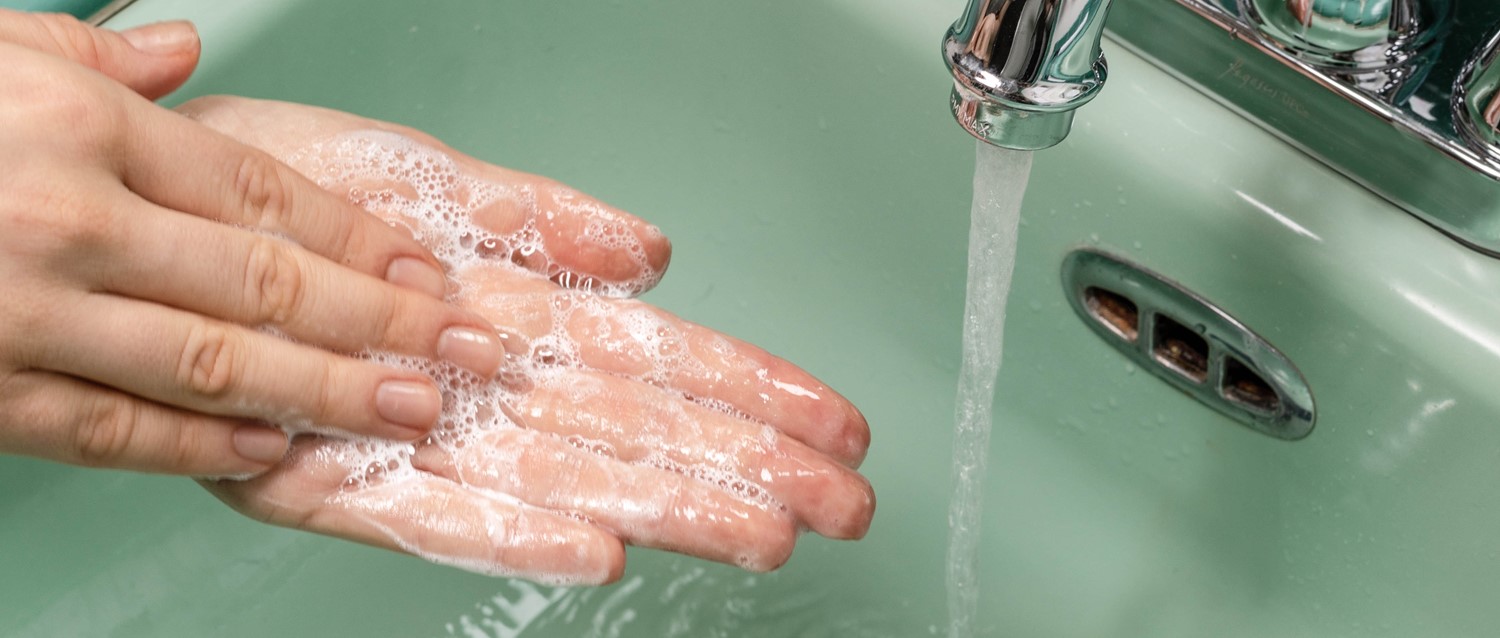
Wash your hands more frequently and properly. Wash your hands for 20 seconds each time, using the World Health Organization recommended handwashing method, soap and hot water. If soap and water are not available, use hand sanitiser containing at least 60% alcohol and wash your hands at the earliest opportunity.
Avoid touching your face with unwashed hands. This includes biting your nails, touching your eyes, nose and mouth and eating with your hands.
Evita il contatto con persone che non stanno bene.
Maintain social distancing. This means keeping at least 1 metre away from anyone who is coughing or sneezing. You should cover your mouth and nose with your bent elbow or a tissue if you are coughing and sneezing yourself.
Avoid travel to countries flagged by the Foreign and Commonwealth Office.
You should avoid all but essential social contact. This means avoiding social gatherings, clubs, pubs, cinemas and other social venues. If you can work from home or avoid public transport, you should.
Keep an eye on the latest guidance to stay up to date.
Scelte del paziente per Informazioni generali
COVID-19
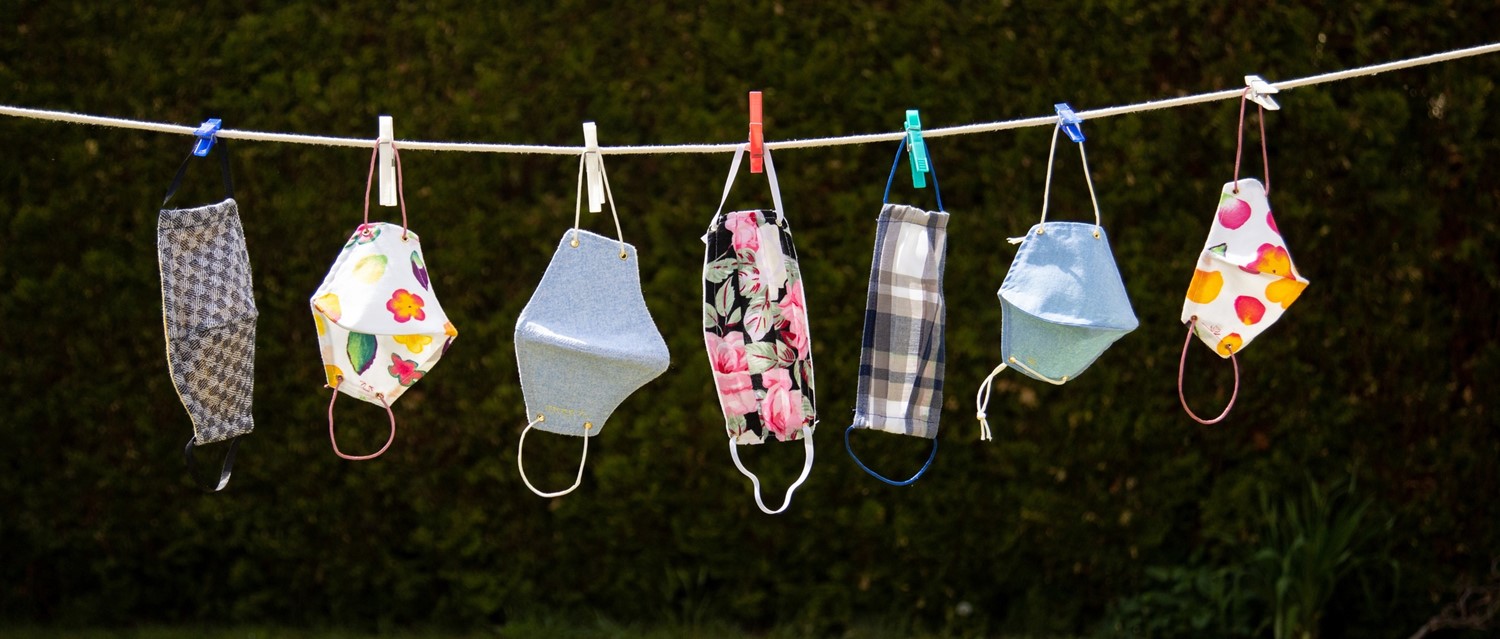
Come scegliere la maschera facciale giusta per te
Le maschere e le coperture per il viso sono diventate una vista familiare nell'ultimo anno mentre lavoriamo tutti insieme per controllare la pandemia di coronavirus. Ma con così tante sul mercato, ci sono maschere facciali migliori di altre e cosa dovresti cercare in una maschera?
di Milly Evans

COVID-19
Siamo pronti a combattere l'influenza e il COVID-19 questo inverno?
Questo inverno sarà probabilmente diverso da quelli che abbiamo visto prima. Con il COVID-19 e l'influenza che circolano mentre il tempo si fa più freddo, c'è un rischio aumentato da entrambe le infezioni. Un grande aumento di uno dei due virus metterà ulteriore pressione sul NHS, che sta già lottando per riprendersi dall'impatto della pandemia finora.
di Andrea Downey
Informazioni sull'autoreVisualizza il profilo completo
Autore

Milly Evans
Editor
Milly scrive su una varietà di argomenti di salute, con un particolare interesse per le disuguaglianze sanitarie e la salute sessuale.
Informazioni sul recensoreVisualizza il profilo completo

Dr Sarah Jarvis
Consulente Clinico
MA (Cantab), BM, BCh (Oxon), DRCOG, FRCGP, MBE
Dopo aver completato la formazione in medicina a Cambridge e Oxford, la Dott.ssa Sarah Jarvis MBE è diventata un medico di base.
Storia dell'articolo
Articolo disponibile anche in Inglese, Tedesco, Spagnolo, Francese, Italiano, Portoghese, Hindi, Ebraico, Arabo, and Svedese.
11 Mar 2020 | Pubblicato originariamente
Autore:
Milly EvansRevisione paritaria di
Dr Sarah Jarvis
Condividi i tuoi pensieri o esperienze con gli altri nel nostro comunità di pazienti.
Iscriviti alla newsletter di Patient
La tua dose settimanale di consigli sulla salute chiari e affidabili - scritti per aiutarti a sentirti informato, sicuro e in controllo.
Abbonandoti accetti i nostri Informativa sulla Privacy. Puoi annullare l'iscrizione in qualsiasi momento. Non vendiamo mai i tuoi dati.