
Come proteggere i denti di tuo figlio
Revisione paritaria di Dr Sarah JarvisAutore Dr Laurence KnottPubblicato originariamente 9 Feb 2018
Rispetta le linee guida editoriali
- ScaricaScarica
- Condividi
- Language
- Discussione
- Versione audio
- Aggiungi alle fonti preferite su Google
Today's children are increasingly having to have multiple rotten teeth removed, according to recently released NHS spending data. It's a concerning state of affairs.
Whilst access to dentists has been considered to be partly to blame, most authorities feel that the explosion in the sugar content of foods and drinks is the main factor. Urgent action needs to be taken to save our children's teeth.
In the teeth of an epidemic
I actually don’t mind a trip to the supermarket. It makes a nice change from being glued to a computer screen. However, I do get wound up when I get to the breakfast cereal aisle. It's not that I have an innate fear of cornflakes, but when I see row upon row of sweets disguised as morning fodder for the nation's kids it really leaves a sour taste in my mouth.
As a GP, I do wonder what a daily bowl of chocolate with a thin coating of cereal is doing to their waistlines and general health. But what I should apparently be worrying about is what it is doing to children's teeth.
Recently released NHS spending data show that, in 2016-17, 42,911 hospital procedures were performed to remove multiple teeth from patients aged 18 years and under, at a cost of more than £36 million. This was an increase of almost a fifth (17%) in the number of extractions performed on young people over the past four years, up from 36,833 in 2012-13.
The Local Government Association (LGA), which represents 370 councils in England and Wales, and has a remit to protect public health, has calculated that hospitals carry out 170 operations every working day to extract teeth from children and teenagers.
Izzi Seccombe, chairwoman of the LGA's community well-being board, said: "These figures, which have risen sharply, show that we have an oral health crisis and highlight the damage that excessive sugar intake is doing to young people's teeth."
Cibo per la mente
There's no getting away from the fact that dipendenza da zucchero is almost certainly to blame for this crisis. Apart from breakfast cereals, we are plying our children with foods and drinks which contain enormous quantities of sugar.
I'm no saint in this respect. What happens at Grandad's stays at Grandad's; there’s nothing better than treating a child with a bar of chocolate and a glass of cola.
And sometimes, even what we think are healthy foods or drinks are laced with hidden sugars. Often, we have absolutely no idea how much sugar these items contain. The LGA says that limiting the amount of sugar in soft drinks and putting teaspoon labels on food to indicate the amount it contains would help slash consumption.
Professor Russell Viner, officer for health promotion at the Royal College of Paediatrics and Child Health, points out that tooth extraction is not a minor operation.
"There's the operation itself to consider," he says. "The anestetico, along with its associated risks as well as the ansia operations cause children and their families. As many of these operations are due to the food and drink children consume, they are completely preventable and pose an unnecessary financial burden on our overstretched NHS."
Improving oral health
So what is the Government doing about it? Not much, according to Mick Armstrong, a dentist in Yorkshire and Chairman of the British Dental Association. "These statistics are a badge of dishonour for health ministers, who have failed to confront a wholly preventable disease. Tooth decay is the number one reason for child hospital admissions, but communities across England have been left hamstrung without resources or leadership."
To be fair, NHS England has launched Starting Well, a campaign targeted at high-need communities to help children under 5 years of age see their dentist earlier and improve their dental health.
"NHS England is working with the dental profession to help an additional 70,000 more children see a dentist before they reach their second birthday," said an NHSE spokesperson.
That's all well and good, but while dentists can give dental health advice, there's no guarantee that people will listen to them. You can lead a horse to the water but you can’t stop it from drinking a fruit smoothie (average three teaspoons of sugar per 100 ml according to a survey of supermarket products).
The issue was debated in the House of Lords on 18 January 2018, and whilst their Lordships and Ladyships, (some of whom were retired dentists) focused mainly on fluoridation and access to dental services, they did make passing reference to the sugar problem.
This is not enough. If the Government does not take urgent and decisive action to outlaw the number of products containing unnecessary amounts of sugar on the supermarket shelves, we will end up with a generation of young people who will need dentures when they are barely out of their teens. That will be a real kick in the teeth to parents everywhere.
What can I do to protect my children's teeth?
Steer clear of sugary drinks
Replacing sugary drinks with sugar-free drinks, lower-fat milk or water helps to protect teeth, and brings other health benefits.
Remember that there is a difference between fruit juice drinks with added sugar and fruit juice. Juice made from liquidising whole fruit contains free sugar but no added sugar. The Department of Health recommends up to one 150 ml portion of pure juice with meals. It can count as one of your child's '5 a day' as it does contain vitamins, minerals and phytonutrients (nutrients found in plants which are beneficial to health).
Don't fall for 'healthy' sugars
Remember that 'designer sugars', such as agave syrup and honey, are no better for your child's teeth than ordinary sugar, and are more expensive.
Choose fluoride
Fluoride toothpaste helps to protect against tooth decay (just a smear before the age of 3 years, a pea-sized blob from 3-6 years).
Ensure good brushing habits
Teach your child to brush their teeth properly.
Take them to the dentist
Make sure your child has regular dental checks, as soon as they get their milk teeth.
Scelte del paziente per Cura dentale
Cura orale e dentale
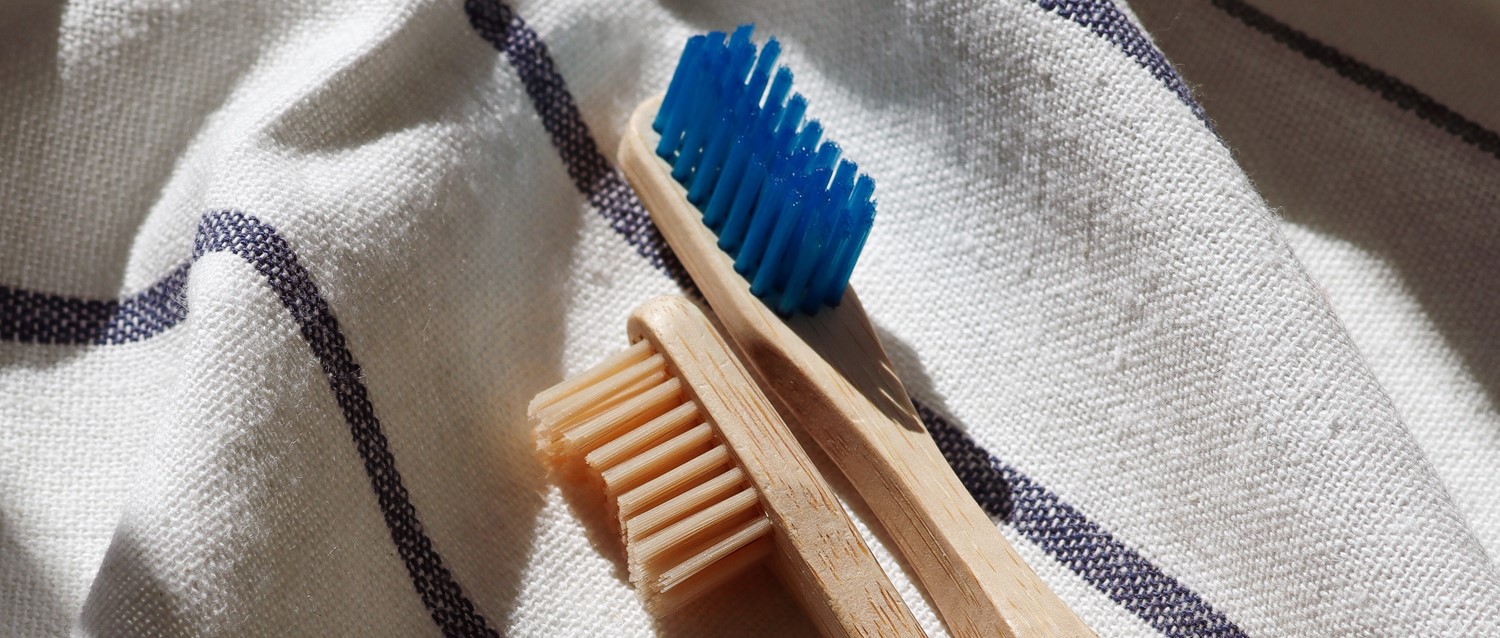
Come affrontare i denti sensibili
Se hai denti sensibili, conoscerai fin troppo bene il dolore acuto provocato da cibi caldi o freddi e altri comuni fattori scatenanti. Per la maggior parte delle persone, il dolore è temporaneo ed è tipicamente il risultato di smalto dentale consumato. Ma per alcuni potrebbero esserci altre cause e il dolore potrebbe diventare cronico. Chiediamo agli esperti come gestire i denti sensibili e il dolore associato.
di Sally Turner
Cura orale e dentale
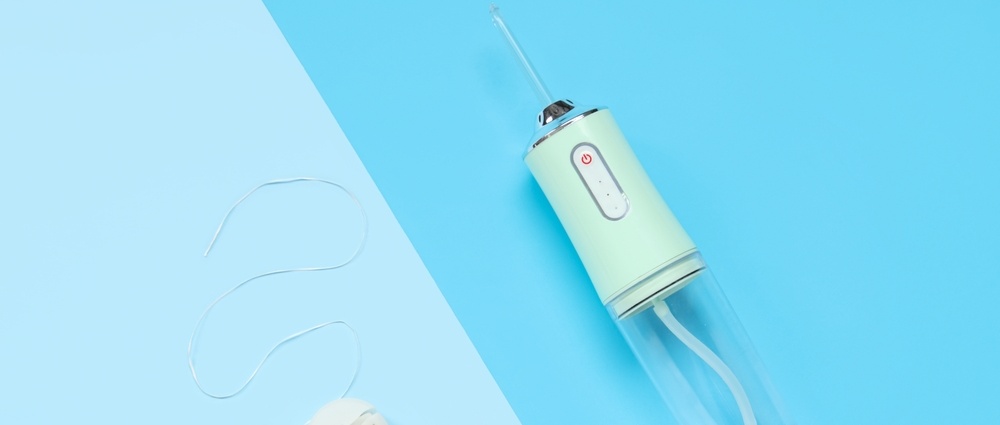
Il filo interdentale ad acqua è efficace?
Brushing your teeth keeps them clean and healthy, and flossing is important to clean hard-to-reach areas. Conventional dental floss is tried and tested but new technologies - such as water flossing - offer convenience and simplicity. We explore if water flossing is as effective as regular methods.
di Lynn Stephen
Informazioni sull'autoreVisualizza il profilo completo
Autore

Dr Laurence Knott
Medico di base, Autore medico
Laurea in Biochimica (con lode), MBBS
Il Dr. Laurence Knott si è qualificato nel 1973 e ha avuto una vasta esperienza come Medico Generico.
Informazioni sul recensoreVisualizza il profilo completo

Dr Sarah Jarvis
Consulente Clinico
MA (Cantab), BM, BCh (Oxon), DRCOG, FRCGP, MBE
Dopo aver completato la formazione in medicina a Cambridge e Oxford, la Dott.ssa Sarah Jarvis MBE è diventata un medico di base.
Storia dell'articolo
Articolo disponibile anche in Inglese, Tedesco, Spagnolo, Francese, Italiano, Portoghese, Hindi, Ebraico, Arabo, and Svedese.
9 Feb 2018 | Pubblicato originariamente
Autore:
Dr Laurence KnottRevisione paritaria di
Dr Sarah Jarvis
Partecipa alla conversazione
Condividi i tuoi pensieri o esperienze con gli altri nel nostro comunità di pazienti.

Chiedi, condividi, connettiti.
Esplora le discussioni, fai domande e condividi esperienze su centinaia di argomenti di salute.

Non ti senti bene?
Valuta i tuoi sintomi online gratuitamente
Iscriviti alla newsletter di Patient
La tua dose settimanale di consigli sulla salute chiari e affidabili - scritti per aiutarti a sentirti informato, sicuro e in controllo.
Abbonandoti accetti i nostri Informativa sulla Privacy. Puoi annullare l'iscrizione in qualsiasi momento. Non vendiamo mai i tuoi dati.