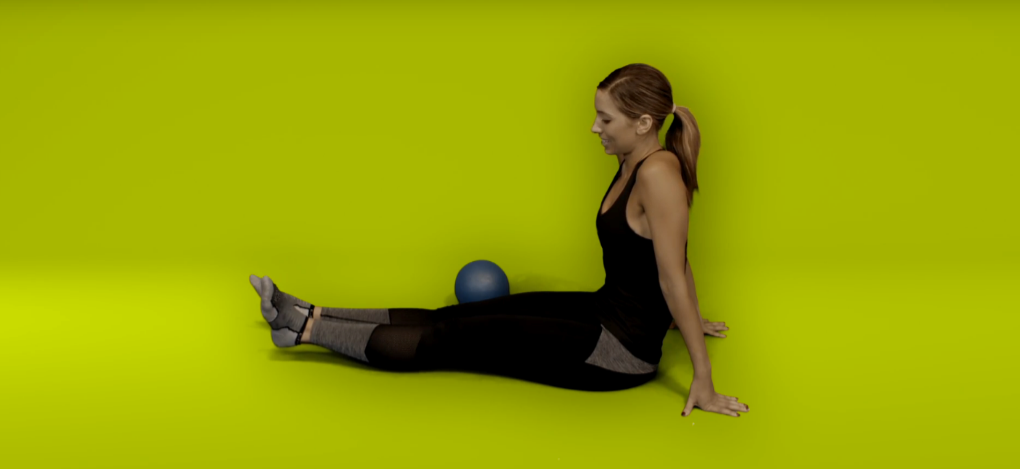
Video: Esercizi di recupero dopo la sostituzione del ginocchio
Revisione paritaria di Dr Sarah Jarvis MBE, FRCGPUltimo aggiornamento di Lilly Sabri, MHPCUltimo aggiornamento 15 Dec 2017
Rispetta le linee guida editoriali
- ScaricaScarica
- Condividi
- Language
- Discussione
- Versione audio
Ci sono diversi tipi di knee replacement surgery depending on the injury, the severity of the injury and the surgeon performing the procedure. This leaflet is to be used only as a guideline once you have discussed and confirmed with your surgeon and medical team that the exercises below are appropriate for you following your surgery.
In questo articolo:
Video consigliati per Salute del ginocchio
The following exercises are recommended to help reduce swelling and pain, increase range of movement, strengthen the muscles around the knee joint and prevent future problems.
Playlist: Esercizi di Recupero per la Sostituzione del Ginocchio
3 video
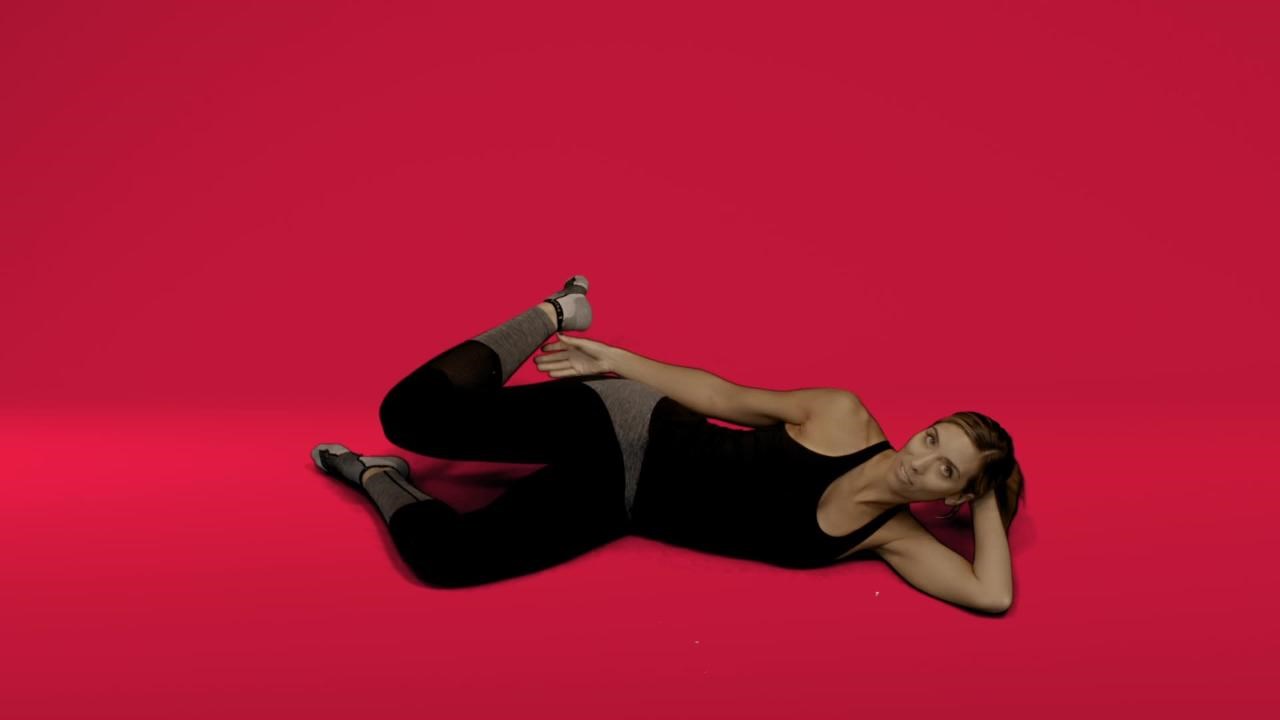
Sostituzione del Ginocchio - Rafforzamento dei Glutei Esterni
Lilly Sabri, MHPC
Sostituzione del Ginocchio - Rafforzamento dei Glutei Esterni
Lilly Sabri, MHPC
Sostituzione del Ginocchio - Quadricipiti a Gamma Interna
Lilly Sabri, MHPC
Sostituzione del Ginocchio - Rafforzamento Interno Coscia e Glutei
Lilly Sabri, MHPC
Continua a leggere sotto
Range of movement exercises
Please remember that these exercises can only be completed once cleared with your surgeon and medical team
Knee flexion/extension sitting on the floor
Seduto con le gambe distese davanti a te, supporta la schiena se necessario.
Place a plastic bag under the heel and slide it towards your bottom, using your hands or a band around the foot for support if necessary.
Slowly and controlled, straighten leg back out to the starting position.
Repeat 10 times on each affected knee, twice daily.
Knee flexion/extension sitting
An alternative to the previous exercise, should you struggle getting on and off the floor.
Sit upright in your chair with both feet planted on the floor.
Start by straightening the operated knee out as far as possible and in a slow controlled movement bend it back down and as far under the chair as possible.
You can use the non-operative leg to aid this further by hooking the ankles and assisting the foot further under the chair.
Repeat this movement 10 times on each affected leg, twice daily.
Stretches for the muscles of the knee joint
Torna ai contenutiPlease remember that these exercises can only be completed once cleared with your surgeon and medical team
Allungamento quadricipiti
Stai in piedi con le mani appoggiate sullo schienale di una sedia.
Piega un ginocchio e porta il piede verso il sedere.
Hook your hand around your ankle and pull the ankle closer towards the bottom to feel a stretch in the thigh muscle at the front of the leg.
Assicurati di tenere le ginocchia a contatto.
Mantieni l'allungamento per 20 secondi; ripeti tre volte per ogni lato, due volte al giorno.
To simplify, either hold on to your trouser legs or place a towel or band around the ankle. This can also be completed lying on your side with the operated leg up.
Stretching dei muscoli posteriori della coscia
Sit upright in a chair with both knees bent.
Bring your bottom towards the front of the chair.
Straighten the operated leg as much as possible and flex your foot - toes to the sky.
Take your body weight forward.
Continua a leggere sotto
Strengthening for the knee muscles
Torna ai contenutiPlease remember that these exercises can only be completed once cleared with your surgeon and medical team
Isometric quads
This a simple but very effective exercise for people with very weak quads (particularly after surgery).
Siediti sul pavimento, appoggia la schiena e posiziona le gambe dritte davanti a te.
Start by pushing one knee down into the ground, feeling the quad (thigh) muscle activate.
Mantieni per 10 secondi e ripeti 10 volte su ciascuna gamba, due volte al giorno.
Quadricipiti interni
Start sitting on the floor; support your back and position your legs straight in front of you.
Posiziona un asciugamano arrotolato sotto un ginocchio.
Punta il piede verso il soffitto prima di spingere il ginocchio verso il basso nel asciugamano. Dovresti sentire il tallone sollevarsi dal pavimento.
Mantieni per 10 secondi e ripeti 10 volte su ciascuna gamba, due volte al giorno.
Sollevamento gamba dritta
Una progressione dagli esercizi sopra.
Siediti sul pavimento, appoggia la schiena e posiziona le gambe dritte davanti a te.
Turn your foot outwards; push your knee down into the floor before lifting your leg off the ground 4-6 inches.
Hold for five seconds and repeat 10 times on each leg, twice daily.
Da seduto a in piedi
Start sitting on a chair.
Without using your hands for support, stand up from the chair and then sit back down again in a slow and controlled movement.
Complete this exercise 20 times.
Man mano che migliori, aumenta gradualmente il numero di ripetizioni fino a 50; puoi anche provare questo esercizio da una sedia più bassa.
Squat al muro
Stai con la schiena al muro.
Posiziona i piedi alla distanza delle spalle e lontano dal muro.
Fai scivolare lentamente le mani lungo il muro mentre abbassi il corpo in posizione di squat.
Non permettere alle ginocchia di cedere verso l'interno, mantenendo le ginocchia direttamente sopra le dita centrali dei piedi.
Tieni premuto per 10 secondi e ripeti 10 volte, due volte al giorno.
If you do not have access to a wall, you can complete a standing squat, ensuring your knees stay in line with your middle toes, your weight is distributed back through your heels and your chest remains proud and open. If you get an increase in knee pain, you should stop and seek professional advice.
Adductor (inner thigh muscle)
Sitting on a chair with your back supported.
Place a small soft ball or pillow in between the knees.
Engage your stomach muscles; squeeze the ball in between your inner thighs.
Hold for 10 seconds; repeat 10 times, twice daily.
Static glutes
Sitting on a chair with your back supported.
Clench your bottom muscles together and hold for 10 seconds; repeat 10 times, twice daily.
Scelte dei pazienti per Salute del ginocchio

Ossa, articolazioni e muscoli
Knee pain that won’t go away: When is it time to get a scan?
Knee pain is very common, but it isn’t always easy to pinpoint what’s causing your symptoms. Pain in the knee can start as a low-grade ache that gradually gets worse, or suddenly after an injury and doesn’t go away. Many people live with persistent knee pain for months or years, taking painkillers or resting their leg when necessary. But long-term knee pain can interfere with your quality of life and ability to work, and affect your participation and enjoyment in sports and leisure activities. Persistent knee pain, or pain that doesn’t improve, may require further investigation. Having a scan will provide clarity on what’s causing your symptoms and what treatment options might be available to you. But it’s sometimes difficult to know when to get a scan and which type to choose. Scan.com helps make it more straightforward.
by Scan.com
Ossa, articolazioni e muscoli
Video: Esercizi per il dolore al ginocchio
Questi esercizi sono raccomandati per aiutare a ridurre il dolore, aumentare la gamma di movimento e rafforzare i muscoli dell'articolazione del ginocchio e prevenire problemi futuri.
di Lilly Sabri, MHPC
Continua a leggere sotto
Storia dell'articolo
Le informazioni su questa pagina sono revisionate da clinici qualificati.
15 Dec 2017 | Ultima versione

Chiedi, condividi, connettiti.
Esplora le discussioni, fai domande e condividi esperienze su centinaia di argomenti di salute.

Non ti senti bene?
Valuta i tuoi sintomi online gratuitamente
Iscriviti alla newsletter di Patient
La tua dose settimanale di consigli sulla salute chiari e affidabili - scritti per aiutarti a sentirti informato, sicuro e in controllo.
Abbonandoti accetti il nostro Informativa sulla Privacy. Puoi annullare l'iscrizione in qualsiasi momento. Non vendiamo mai i tuoi dati.