insulina
Ultimo aggiornamento 13 gen 2026
Rispetta le linee guida editoriali
- ScaricaScarica
- Condividi
- Language
- Discussione
- Versione audio
- Aggiungi alle fonti preferite su Google
The INS gene provides instructions for producing the hormone insulin, which is made and secreted by specialized cells in the pancreas called beta cells. Insulin helps move glucose, also called blood sugar, from the blood into cells, where it is converted into energy. Glucose is a simple sugar and the primary energy source for most cells in the body.
Normal function
The INS gene provides instructions for producing the hormone insulin, which is made and secreted by specialized cells in the pancreas called beta cells. Insulin helps move glucose, also called blood sugar, from the blood into cells, where it is converted into energy. Glucose is a simple sugar and the primary energy source for most cells in the body.
The precursor to insulin is called proinsulin, which consists of a single chain of protein building blocks (amino acids). The proinsulin chain is cut (cleaved) to form individual pieces called A and B chains. These chains are joined together by connections called disulfide bonds to form insulin.
Conditions referring to this gene or chromosome
Altri nomi
IDDM1
IDDM2
proinsulin
Related patient information and medicines
Patient information leaflet
Insulina
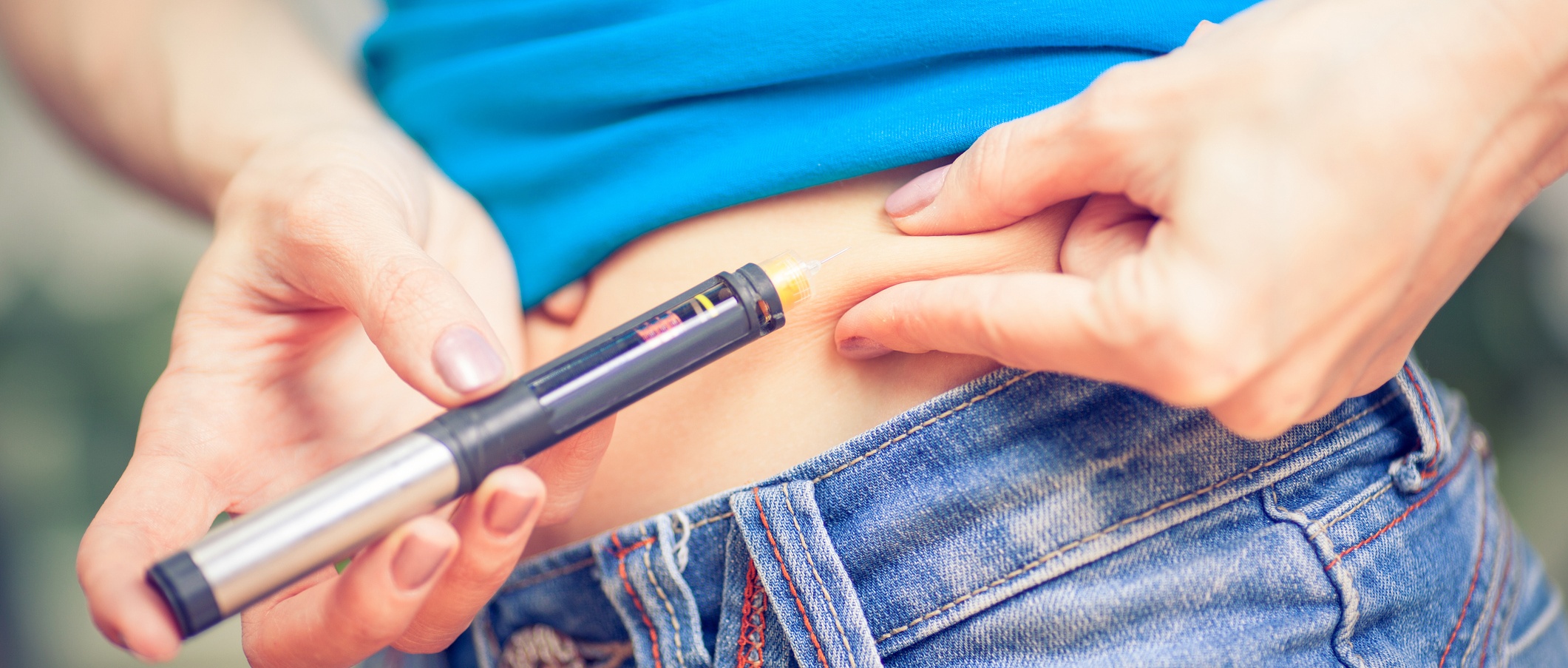
Insulin is a hormone made naturally in the body by the pancreas. This hormone controls the level of sugar (glucose) in the blood. People who have type 1 diabetes need to have regular insulin injections. In typ... Treatment with insulin is usually lifelong. What is insulin. Insulin is a hormone that is made by cells called beta cells. These are.
Patient information leaflet
Diabete
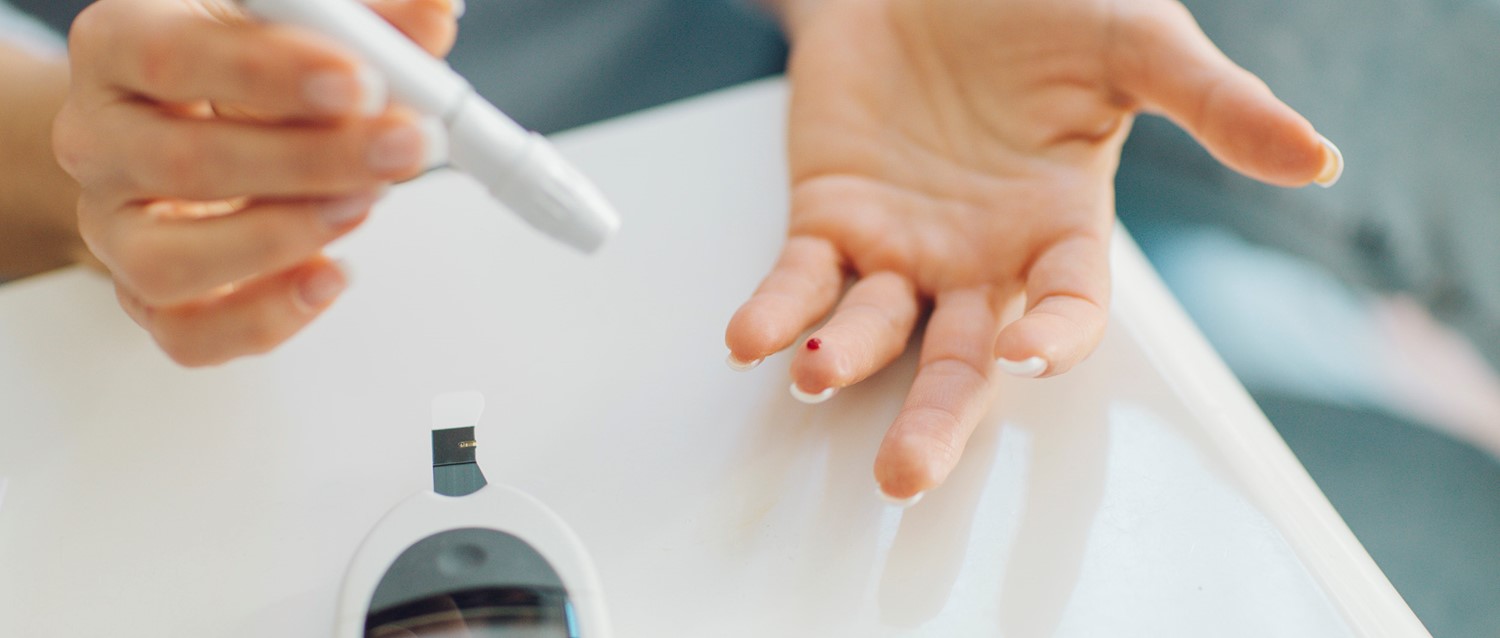
Type 1 diabetes is an autoimmune condition. It is not caused by someone's diet or lifestyle. It usually develops quite quickly, over days or weeks, as the pancreas stops making insulin. It usually (but not always) develops in... What causes diabetes. Diabetes is a condition where there is not enough insulin being produced by the pancreas. Insulin.

Patient information leaflet
Trattamento del diabete di tipo 2
One medicine (usually metformin) is used first but two or even three medicines may be needed. The rest of this leaflet is about medications to control blood glucose. Our leaflet on diabetes and illness gi... These actions include: Stimulating insulina secretion in response to glucose; and Preventing glucagon release after meals (glucagon is a.
Patient information leaflet
Guida e diabete
Insulin, used per people with type 1 diabetes and some people with type 2, can cause your blood sugar to drop too low - so-called hypoglycaemia episodes, or... If you have a Group 2 (bus and lorry) licence, you need to inform the DVLA if you take tablets for your diabetes, even if these do not include sulfonylureas or glinides Diabetes requiring.

Patient information leaflet
Ipoglicemia
Usually your body releases a hormone called insulin, produced by your pancreas, in response to rises in blood sugar. Insulin acts as a 'key', opening the door of your cells to allow in glucose. People with type 1 diabetes need insulin in injection form, because they don't produce any insulina of their own. ...s sometimes need insulina if their.

Patient information leaflet
Diabete di tipo 1
Type 1 diabetes is the type of diabetes that typically develops in children and in young adults. In type 1 diabetes the body stops making insulin and the blood sugar (glucose) level goes very high. Treatment to control the blood glucose level is with insulin injections and a healthy diet. The type or types of insulina advised will be tailored to.
Ulteriori letture e riferimenti
- insulina; MedlinePlus, National Library of Medicine.
- Boesgaard TW, Pruhova S, Andersson EA, Cinek O, Obermannova B, Lauenborg J, Damm P, Bergholdt R, Pociot F, Pisinger C, Barbetti F, Lebl J, Pedersen O, Hansen T. Further evidence that mutations in INS can be a rare cause of Maturity-Onset Diabetes of the Young (MODY). BMC Med Genet. 2010 Mar 12;11:42. doi: 10.1186/1471-2350-11-42.
- De Leon DD, Pinney SE. Permanent Neonatal Diabetes Mellitus. 2008 Feb 8 [updated 2025 Sep 25]. In: Adam MP, Bick S, Mirzaa GM, Wallace SE, Amemiya A, editors. GeneReviews(R) [Internet]. Seattle (WA): University of Washington, Seattle; 1993-2026. Available from http://www.ncbi.nlm.nih.gov/books/NBK1447/
- Edghill EL, Flanagan SE, Patch AM, Boustred C, Parrish A, Shields B, Shepherd MH, Hussain K, Kapoor RR, Malecki M, MacDonald MJ, Stoy J, Steiner DF, Philipson LH, Bell GI; Neonatal Diabetes International Collaborative Group; Hattersley AT, Ellard S. Insulin mutation screening in 1,044 patients with diabetes: mutations in the INS gene are a common cause of neonatal diabetes but a rare cause of diabetes diagnosed in childhood or adulthood. Diabetes. 2008 Apr;57(4):1034-42. doi: 10.2337/db07-1405. Epub 2007 Dec 27.
- Liu M, Haataja L, Wright J, Wickramasinghe NP, Hua QX, Phillips NF, Barbetti F, Weiss MA, Arvan P. Mutant INS-gene induced diabetes of youth: proinsulin cysteine residues impose dominant-negative inhibition on wild-type proinsulin transport. PLoS One. 2010 Oct 11;5(10):e13333. doi: 10.1371/journal.pone.0013333.
- Liu M, Hodish I, Haataja L, Lara-Lemus R, Rajpal G, Wright J, Arvan P. Proinsulin misfolding and diabetes: mutant INS gene-induced diabetes of youth. Trends Endocrinol Metab. 2010 Nov;21(11):652-9. doi: 10.1016/j.tem.2010.07.001. Epub 2010 Aug 18.
- Molven A, Ringdal M, Nordbo AM, Raeder H, Stoy J, Lipkind GM, Steiner DF, Philipson LH, Bergmann I, Aarskog D, Undlien DE, Joner G, Sovik O; Norwegian Childhood Diabetes Study Group; Bell GI, Njolstad PR. Mutations in the insulin gene can cause MODY and autoantibody-negative type 1 diabetes. Diabetes. 2008 Apr;57(4):1131-5. doi: 10.2337/db07-1467. Epub 2008 Jan 11.
- Polak M, Dechaume A, Cave H, Nimri R, Crosnier H, Sulmont V, de Kerdanet M, Scharfmann R, Lebenthal Y, Froguel P, Vaxillaire M; French ND (Neonatal Diabetes) Study Group. Heterozygous missense mutations in the insulin gene are linked to permanent diabetes appearing in the neonatal period or in early infancy: a report from the French ND (Neonatal Diabetes) Study Group. Diabetes. 2008 Apr;57(4):1115-9. doi: 10.2337/db07-1358. Epub 2008 Jan 2.
- Rubio-Cabezas O, Klupa T, Malecki MT; CEED3 Consortium. Permanent neonatal diabetes mellitus--the importance of diabetes differential diagnosis in neonates and infants. Eur J Clin Invest. 2011 Mar;41(3):323-33. doi: 10.1111/j.1365-2362.2010.02409.x. Epub 2010 Nov 4.
- Stoy J, Edghill EL, Flanagan SE, Ye H, Paz VP, Pluzhnikov A, Below JE, Hayes MG, Cox NJ, Lipkind GM, Lipton RB, Greeley SA, Patch AM, Ellard S, Steiner DF, Hattersley AT, Philipson LH, Bell GI; Neonatal Diabetes International Collaborative Group. Insulin gene mutations as a cause of permanent neonatal diabetes. Proc Natl Acad Sci U S A. 2007 Sep 18;104(38):15040-4. doi: 10.1073/pnas.0707291104. Epub 2007 Sep 12.
- Stoy J, Steiner DF, Park SY, Ye H, Philipson LH, Bell GI. Clinical and molecular genetics of neonatal diabetes due to mutations in the insulin gene. Rev Endocr Metab Disord. 2010 Sep;11(3):205-15. doi: 10.1007/s11154-010-9151-3.
- Weiss MA. Proinsulin and the genetics of diabetes mellitus. J Biol Chem. 2009 Jul 17;284(29):19159-63. doi: 10.1074/jbc.R109.009936. Epub 2009 Apr 24.
Partecipa alla conversazione
Condividi i tuoi pensieri o esperienze con gli altri nel nostro comunità di pazienti.

Chiedi, condividi, connettiti.
Esplora le discussioni, fai domande e condividi esperienze su centinaia di argomenti di salute.
Iscriviti alla newsletter di Patient
La tua dose settimanale di consigli sulla salute chiari e affidabili - scritti per aiutarti a sentirti informato, sicuro e in controllo.
Abbonandoti accetti i nostri Informativa sulla Privacy. Puoi annullare l'iscrizione in qualsiasi momento. Non vendiamo mai i tuoi dati.