Renal tubular dysgenesis
Ultimo aggiornamento 18 Ago 2020
Rispetta le linee guida editoriali
- ScaricaScarica
- Condividi
- Language
- Discussione
- Ask Patient
- Versione audio
- Aggiungi alle fonti preferite su Google
Renal tubular dysgenesis is a severe kidney disorder characterised by abnormal development of the kidneys before birth. In particular, kidney structures called proximal tubules are absent or underdeveloped. These structures help to reabsorb needed nutrients, water, and other materials into the blood and excrete everything else into the urine. Without functional proximal tubules, the kidneys cannot produce urine (a condition called anuria).
Scelte video per Condizioni geneticheVideo library
Descrizione
Renal tubular dysgenesis is a severe kidney disorder characterised by abnormal development of the kidneys before birth. In particular, kidney structures called proximal tubules are absent or underdeveloped. These structures help to reabsorb needed nutrients, water, and other materials into the blood and excrete everything else into the urine. Without functional proximal tubules, the kidneys cannot produce urine (a condition called anuria).
Fetal urine is the major component of the fluid that surrounds the fetus (amniotic fluid), and anuria leads to decreased amniotic fluid levels (oligohydramnios). Amniotic fluid helps cushion and protect the fetus and plays a role in the development of many organs, including the lungs. Oligohydramnios causes a set of abnormalities called the Potter sequence, which includes distinctive facial features such as a flattened nose and large, low-set ears; excess skin; inward- and upward-turning feet (clubfeet); and underdeveloped lungs.
Renal tubular dysgenesis also causes severe low blood pressure (hypotension). In addition, bone development in the skull is abnormal in some affected individuals, causing a large space between the bones of the skull (fontanelles).
As a result of the serious health problems caused by renal tubular dysgenesis, affected individuals usually die before birth, are stillborn, or die soon after birth from respiratory failure. Rarely, with treatment, affected individuals survive into childhood. Their blood pressure usually normalizes, but they quickly develop chronic kidney disease, which is characterised by reduced kidney function that worsens over time.
Modelli di ereditarietà
The source lists the following possible inheritance patterns: Autosomal recessive. More than one pattern can apply in different cases.
Related genes
Altri nomi
Allanson Pantzar McLeod syndrome
Primitive renal tubule syndrome
Related patient information and medicines
Patient information leaflet
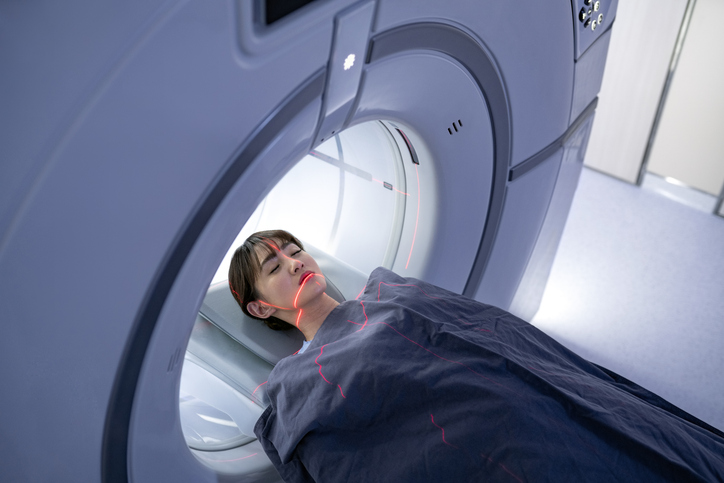
Risonanza magnetica
Una risonanza magnetica is a safe and painless test that can provide detailed pictures of organs and other structures inside your body. Note : the information below is a general guide only. The arrangements (and the way tests are performed) may vary between different hospitals. Blood vessels and the heart This is called mag... MRA is often used to evaluate.

Patient information leaflet
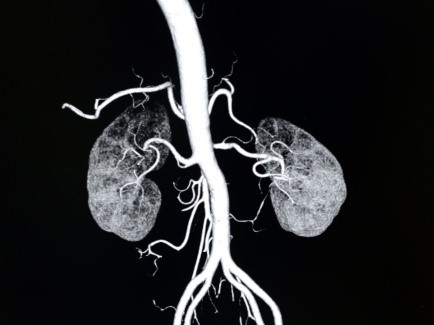
Ecografia
Some specialist ultrasound techniques In some situations, a clearer picture can be obtained from a probe that is within the body. If your renal tract (kidneys and bladder) are being scanned, you may be asked to attend with a full bladder, have the first scan, empty your bladder, and then be scanned again. This is to check if your bladder is fully.
Patient information leaflet
Glomerulonefrite
This is a common type of glomerulonefrite nel children. Glomerulonephritis symptoms In many people, glomerulonephritis does not cause any symptoms. The word 'renal' is a descriptive medical word, meaning related to the kidney. For example, a renal physician is a doctor who looks after people with kidney (renal) diseases. Nephron Nephron Nephron.

Patient information leaflet
Cancro del rene
La maggior parte cases of kidney cancer develop in le persone between the ages of 60 and 70 although it can affect any age group. The most common early symptom is blood in the urine. What is kidney cancer. There are several types of kidney cancer but over 9 out of 10 kidney cancers sono "renal cell cancer". This is sometimes called renal adenoc... Renal cell.
Patient information leaflet
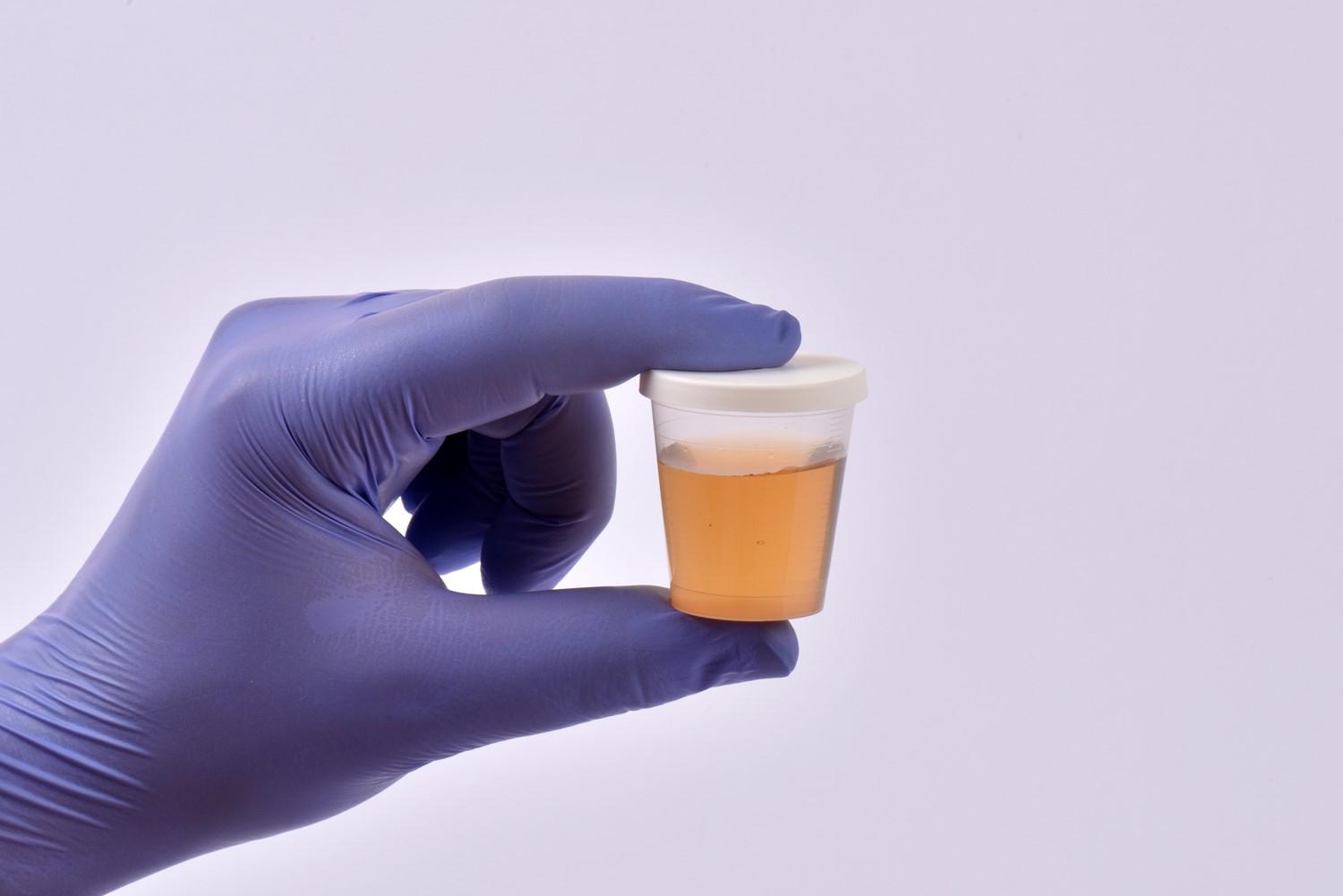
Campione di urine a metà percorso
A midstream specimen of urine (MSU or MSSU) is usually tested to look for infection, although in some cases, illness other than infection might be diagnosed b... To look for other abnormalities in the urine Abnormalities such as red or white blood cells, which should not be there - in the absence of infection, or blood in the urine can sometimes.

Patient information leaflet
Calcoli renali
Calcoli renali are hard calcoli that can cause severe pain in your lato along with blood in your urine, and nausea and vomiting. You are more likely to develop kidney stones if you eat a Western diet, don't drink enough fluids or are overweight. What ar... Kidney stones are hard calcoli that can form in the kidney, in the tube (the ureter) draining.
Ulteriori letture e riferimenti
- Renal tubular dysgenesis; MedlinePlus, National Library of Medicine.
- Gribouval O, Gonzales M, Neuhaus T, Aziza J, Bieth E, Laurent N, Bouton JM, Feuillet F, Makni S, Ben Amar H, Laube G, Delezoide AL, Bouvier R, Dijoud F, Ollagnon-Roman E, Roume J, Joubert M, Antignac C, Gubler MC. Mutations in genes in the renin-angiotensin system are associated with autosomal recessive renal tubular dysgenesis. Nat Genet. 2005 Sep;37(9):964-8. doi: 10.1038/ng1623. Epub 2005 Aug 14.
- Gribouval O, Moriniere V, Pawtowski A, Arrondel C, Sallinen SL, Saloranta C, Clericuzio C, Viot G, Tantau J, Blesson S, Cloarec S, Machet MC, Chitayat D, Thauvin C, Laurent N, Sampson JR, Bernstein JA, Clemenson A, Prieur F, Daniel L, Levy-Mozziconacci A, Lachlan K, Alessandri JL, Cartault F, Riviere JP, Picard N, Baumann C, Delezoide AL, Belar Ortega M, Chassaing N, Labrune P, Yu S, Firth H, Wellesley D, Bitzan M, Alfares A, Braverman N, Krogh L, Tolmie J, Gaspar H, Doray B, Majore S, Bonneau D, Triau S, Loirat C, David A, Bartholdi D, Peleg A, Brackman D, Stone R, DeBerardinis R, Corvol P, Michaud A, Antignac C, Gubler MC. Spectrum of mutations in the renin-angiotensin system genes in autosomal recessive renal tubular dysgenesis. Hum Mutat. 2012 Feb;33(2):316-26. doi: 10.1002/humu.21661. Epub 2011 Dec 22.
- Gubler MC, Antignac C. Renin-angiotensin system in kidney development: renal tubular dysgenesis. Kidney Int. 2010 Mar;77(5):400-6. doi: 10.1038/ki.2009.423. Epub 2009 Nov 18.
- Moldavsky M. Renal tubular dysgenesis in Israel: pathologist's experience and literature review. Isr Med Assoc J. 2009 Jan;11(1):6-10.
- Schreiber R, Gubler MC, Gribouval O, Shalev H, Landau D. Inherited renal tubular dysgenesis may not be universally fatal. Pediatr Nephrol. 2010 Dec;25(12):2531-4. doi: 10.1007/s00467-010-1584-0. Epub 2010 Jul 6.
Condividi i tuoi pensieri o esperienze con gli altri nel nostro comunità di pazienti.
Accesso semplice a trattamenti affidabili e servizi sanitari online.
Common conditions
Get help with common conditions through the NHS, without a GP appointment.
 Sinusite acuta
 Tonsillite batterica
 Impetigine
 Punture di insetti
 Fuoco di Sant'AntonioInfezioni delle vie urinarie (IVU)
Iscriviti alla newsletter di Patient
La tua dose settimanale di consigli sulla salute chiari e affidabili - scritti per aiutarti a sentirti informato, sicuro e in controllo.
Abbonandoti accetti i nostri Informativa sulla Privacy. Puoi annullare l'iscrizione in qualsiasi momento. Non vendiamo mai i tuoi dati.