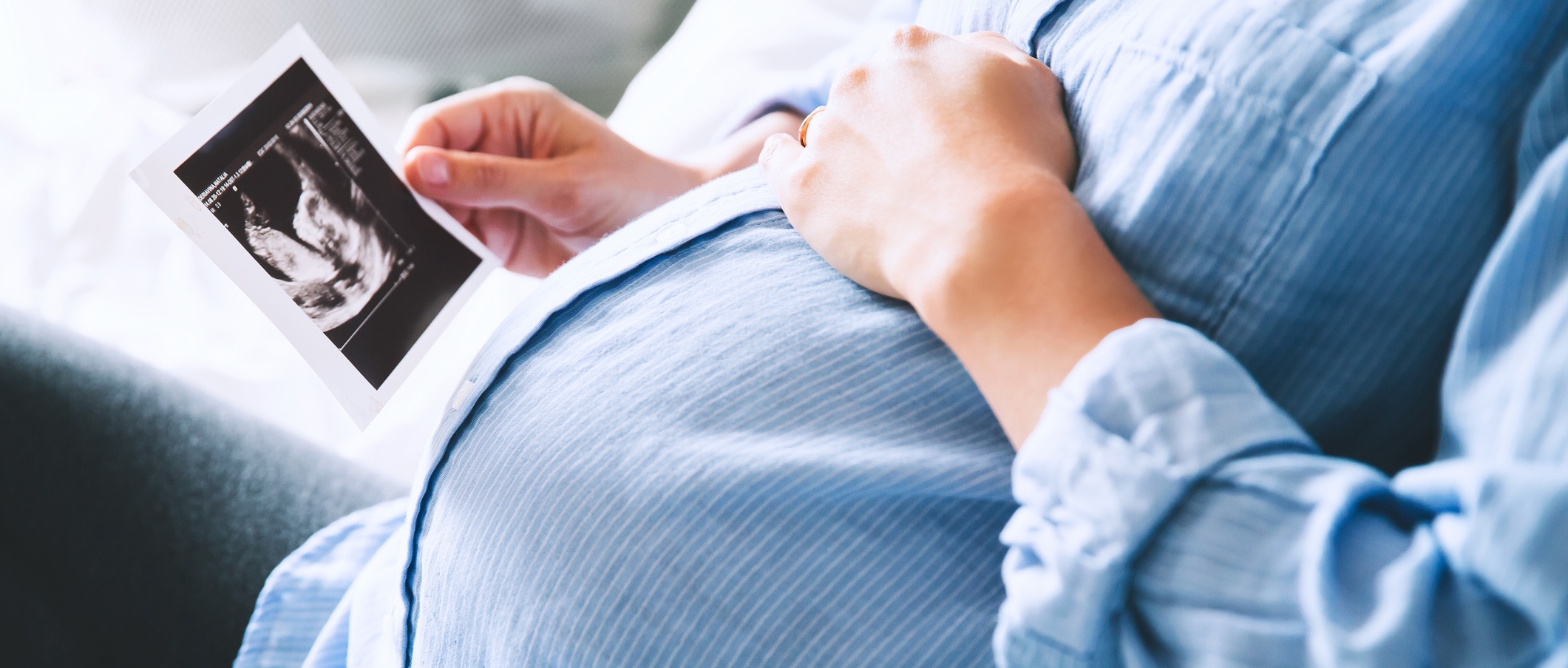
Build a maternity capsule wardrobe on a budget
Peer reviewed by Dr Sarah JarvisLast updated by Danny ChadburnLast updated 21 Sept 2017
Meets Patient’s editorial guidelines
- DownloadDownload
- Share
- Language
- Discussion
- Audio Version
- Add to preferred sources on Google
Buying clothes for your pregnancy can be daunting, especially if you’re concerned about the cost. But building a maternity wardrobe needn’t be expensive, and it can be fun.
Sign up for our free 8-week Healthy Pregnancy course!
Each week we’ll share useful information and essential tips on topics such as nutrition, exercise, mental health, symptoms to look out for, and preparing for childbirth, to help you navigate your pregnancy journey whatever stage you are at.
By subscribing you accept our Privacy Policy. You can unsubscribe at any time. We never sell your data.
‘There are plenty of ways you can spend less and still look great,’ says Holly Kimberley, mum and founder of maternity fashion inspiration site The Bump Edit. Here’s our step-by-step guide.
Don’t panic
‘Chances are most of your clothes will continue to work through at least the first 10-12 weeks, especially bottoms, as your bump won’t be that big,’ says Kimberley. Do a wardrobe audit to work where the gaps in your maternity wardrobe are and what you really need.
Aim for a maternity capsule wardrobe that includes:
1 maternity/super-stretchy dress.
1 pair of maternity trousers.
1 pair of maternity jeans.
1 blazer or jacket to dress up any outfit.
1 pair maternity leggings.
2 camisoles/vests in neutral colours.
A few tops/shirts with room to grow.
A couple of long-line T-shirts (don’t have to be maternity).
A maternity bra.
A coat for summer or winter.
Borrow, reuse and recycle
Kimberley says, ‘Friends who’ve had babies will have maternity wear they’re not using anymore that you can borrow. As well as saving you money, they’ll know what works and what doesn’t.’ Plunder your partner’s wardrobe for shirts and sweatshirts in later pregnancy too.
Find clothes for free
Many women are more than happy to give their old maternity clothes away, especially if their pregnancy days are over. Try Freecycle and Freegle to take them off their hands.
Set up eBay alerts
Blogger Amanda Fulton, aka Ginger Mum, says, ‘eBay is a goldmine for fashionable pre-loved maternity wear. You can find designer pieces for pennies if you set up alerts and keep your eyes on the prize!’
Check out the completed listings too, to see how much you could potentially resell clothes for afterwards.
Tap into local groups
Local National Childbirth Trust (NCT) ‘Nearly New’ sales offer affordable pre-loved maternity clothes at bargain prices. Facebook groups of local mums are also worth keeping an eye out for.
If you do buy new
‘If you buy items because they’re maternity and you feel you ‘should’, chances are you won’t wear them,’ says Kimberley. ‘It’s a false economy.’ But buying maternity-friendly items you’ll wear after pregnancy – floaty tops, stretchy T-shirts – massively reduces cost per wear.
Patient picks for Diet and lifestyle
Pregnancy
How to be vegan when you are pregnant or breastfeeding
An increasing number of people are adopting a vegan diet, swapping meat, dairy and animal products in favour of plant-based alternatives. Although being vegan is safe and healthy, pregnant people and those who are breastfeeding may find themselves missing out on key nutrients without careful planning. So what should you bear in mind if you are vegan and expecting?
by Lydia Smith

Pregnancy
Should you take probiotics for pregnancy?
Pregnancy is an exciting time but entering a new world full of conflicting information can also feel overwhelming. There is so much advice out there on how to keep yourself and your unborn baby healthy, including whether you should take probiotics for pregnancy. What does the evidence say, and are pregnancy probiotics safe?
by Amberley Davis
About the author

Danny Chadburn
Head of Content
Danny was the previous Head of Content at Patient.
About the reviewerView full bio

Dr Sarah Jarvis
Clinical Consultant
MA (Cantab), BM, BCh (Oxon), DRCOG, FRCGP, MBE
After training in medicine at Cambridge and Oxford, Dr Sarah Jarvis MBE became a GP.
Article history
The information on this page is peer reviewed by qualified clinicians.
Article also available in English, German, Spanish, French, Italian, Portuguese, Hindi, Hebrew, Arabic, and Swedish.
21 Sept 2017 | Latest version
Join the conversation
Share your thoughts or experiences with others in our patient communities.

Ask, share, connect.
Browse discussions, ask questions, and share experiences across hundreds of health topics.

Feeling unwell?
Assess your symptoms online for free
Sign up to the Patient newsletter
Your weekly dose of clear, trustworthy health advice - written to help you feel informed, confident and in control.
By subscribing you accept our Privacy Policy. You can unsubscribe at any time. We never sell your data.
More in pregnancy
- C-section babies have different gut bacteria to those born vaginally
- Can your diet and lifestyle improve fertility?
- Does taking paracetamol in pregnancy lead to behavioural problems in kids?
- Does your ethnicity influence your fertility success?
- General pregnancy videos
- Gestational diabetes - what's the outlook?
- How to access mental health support in pregnancy
- How to cope with groin and pelvic pain in pregnancy
- How to create a birth plan
- How to plan for pregnancy when you have mental health problems
- How to stay healthy and safe when pregnant at Christmas
- How your lifestyle may be a cause of low sperm count
- Junk food diet linked to low sperm count
- Video: When are you most likely to get pregnant?
- What happens when you come off the pill?
- What is the difference between implantation bleeding and a period?
- What you need to know about inducing labour
- Which medications can affect your contraception?
- Why is egg freezing on the rise and is it safe?
- Why you shouldn’t use a fetal doppler at home when you’re pregnant