
Dovresti assumere probiotici durante la gravidanza?
Revisione paritaria di Dr Sarah JarvisAutore Amberley DavisPubblicato originariamente 6 Jun 2022
Rispetta le linee guida editoriali
- ScaricaScarica
- Condividi
- Language
- Discussione
- Versione audio
- Aggiungi alle fonti preferite su Google
La gravidanza è un momento emozionante, ma entrare in un nuovo mondo pieno di informazioni contrastanti può anche sembrare opprimente. Ci sono tanti consigli su come mantenere te stessa e il tuo bambino non ancora nato in salute, incluso se dovresti assumere probiotici durante la gravidanza. Cosa dicono le evidenze e i probiotici in gravidanza sono sicuri?
Iscriviti al nostro corso gratuito di 8 settimane sulla Gravidanza Sana!
Ogni settimana condivideremo informazioni utili e consigli essenziali su argomenti come nutrizione, esercizio fisico, salute mentale, sintomi da tenere d'occhio e preparazione al parto, per aiutarti a navigare nel tuo percorso di gravidanza a qualsiasi stadio tu sia.
Abbonandoti accetti i nostri Informativa sulla Privacy. Puoi annullare l'iscrizione in qualsiasi momento. Non vendiamo mai i tuoi dati.
Can you take probiotics while pregnant?
Probiotics are the 'good' bacteria found in your digestive system. As you may have seen on adverts for products such as Activia yoghurt, having a high amount of these microorganisms is a sign of a healthy gut. For this reason, many people consume probiotic foods and supplements.
Probiotics are an increasingly popular alternative therapy among those looking to ease uncomfortable and recurring digestive issues, such as gonfiore, stipsi, diarrea, and long-term conditions like sindrome dell'intestino irritabile (IBS).
Yet, evidence suggests that the health benefits of taking probiotics may be even more extensive. If you're pregnant, probiotics may help to prevent pregnancy complications, reduce the likelihood of your baby developing certain conditions, and improve your own maternal health.
Possible benefits of probiotics for pregnancy
Every parent wants to give their unborn child the best start in life, but there are many ways to support your own and your baby's health during pregnancy. Probiotics for pregnancy are a promising yet under-researched complementary health therapy that you can explore in addition to - and not in replacement of - following a healthy lifestyle and listening to your pregnancy healthcare professional's advice.
Experts agree that more high-quality research is needed on the health benefits of probiotics for pregnancy, and in general. This said, there is a growing body of evidence that probiotics for pregnancy may have a role in preventing the following conditions.
Premature birth and infections during pregnancy
Changes in the balance of bacteria in your digestive system and vagina are normal during pregnancy. Sometimes, a large imbalance can lead to infections, which increase the possibility of you giving birth before your due date and of your baby becoming ill.
Several studies have investigated whether restoring a healthy balance of good bacteria with probiotic supplements reduces infections and premature delivery (early births).
Ad esempio:
Group B streptococcus (GBS) - group B strep is a bacterium that around a quarter of all pregnant people have. If you are ‘colonised’ with this type of bacteria, there is a risk that during birth your baby can become infected, which can result in serious illness or even death. One small but well-designed study suggested that probiotics can significantly reduce GBS in pregnancy.
Vaginosi batterica (VB) - in BV, the vagina becomes inflamed and irritated due to an imbalance in vaginal bacteria. It is a common infection in pregnant and non-pregnant women, but in pregnancy it increases the risk of premature delivery. There is alcune prove that probiotics may reduce the number of bacteria associated with BV in pregnant women who have BV. However, a studio of 4,204 pregnant women with BV did not show a lower chance of giving birth early among women given probiotics.
Diseases of the digestive system
Your baby's gut microbiome (the microorganisms living in the digestive system) starts developing during pregnancy. This is a crucial phase in developing good gut health and good immunity.
Common gastrointestinal diseases include:
Studies indicate that smaller levels of probiotics are linked to diseases of the digestive system (gastrointestinal diseases) forming later in life.
Ad esempio:
Infant colic - in your baby's early life, the most common of these diseases is infant colic. Even though this goes away by itself, research has identified a link between infant colic and other gastrointestinal disorders, allergies, and sleep disturbance all appearing later in childhood. While trial results are mixed and limited in scope, some studi indicate that probiotics for pregnancy and for newborns can reduce the risk of infant colic.
Enterocolite necrotizzante - this a rare but serious problem where the tissue in the intestines becomes inflamed and dies. Mostly affecting premature babies, it can lead to death. In an analysis of 18 trials involving 4,356 pregnant women, probiotic supplements for pregnancy appeared to decrease the risk of necrotising enterocolitis, premature births, and death significantly.
Allergies during early life
If your baby has high levels of probiotics, there is some evidence that they are less likely to develop allergies such as eczema, asma, and intolleranze alimentari.
Ad esempio:
Eczema - this skin condition causes itchy, red, and dry skin. A 2019 review of 28 studies found that children whose mother took probiotic supplements during pregnancy and who were given probiotics for six months after birth were less likely to develop eczema.
Allergie alimentari - common allergies include latte vaccino, wheat, and peanuts. One review of studies showed limited evidence of benefit. The only study looking at pregnancy probiotics alone didn't show any benefit. However, a combination of pregnancy probiotics, along with giving probiotics to the baby for six months, might reduce the risk of food allergy in a small proportion of children.
The need for more evidence
You may now be feeling convinced that probiotics for pregnancy can benefit your little one. However, it is important to note that not all studies produce the same positive outcomes. Experts generally agree that more high-quality research is needed.
There are also several factors to consider - for example, some studies only note positive results for probiotic supplements that are taken during pregnancy and also given to babies after birth. There is also a range of mixed research into baby probiotics.
Experts are still working to understand the different strains of probiotics. It's likely that specific strains may be more effective than others at protecting your baby's health during and after pregnancy.
Are probiotics safe in pregnancy?
Taking probiotics is generally considered safe during pregnancy. Ricerca suggests that most strains of probiotics, including Lactobacillus and Bifidobacterium, are safe to take long-term. Amongst these are Eactobacillus rhamnosus, Eactobacillus acidophilus, Eactobacillus bifidobacterium, and Vifidobacterium lactis.
This said, it's worth bearing in mind that the lack of research limits our knowledge in this area, just as it limits our knowledge of how beneficial they really are. It's also worth remembering that as probiotics are classed as supplements, they are not subject to the same strict regulations that medicines are.
From the evidence that's available, adverse reactions to probiotics in pregnant people are rare and generally not too serious. For example, a 2021 review of 100 studies identified adverse effects in only 11. The reported symptoms included vaginal discharge and changes in stool (poo) consistency.
Ultimately, the choice to take probiotics for pregnancy is entirely yours. If you are considering starting probiotic supplementation during pregnancy, it's always best to speak to your pregnancy healthcare advisor first.
Scelte del paziente per Dieta e stile di vita
Gravidanza
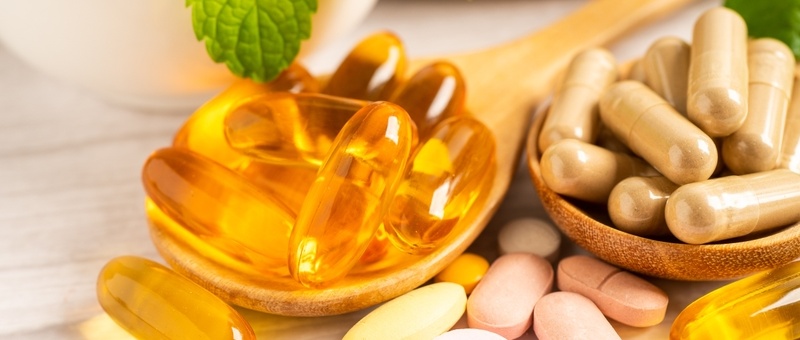
Quali vitamine per la gravidanza sono davvero necessarie?
Con così tante vitamine per la gravidanza sul mercato, può essere difficile sapere da dove iniziare. Quindi, quali vitamine sono effettivamente necessarie durante la gravidanza e quali sono meno essenziali?
di Abi Millar
Gravidanza
Cosa fare se si desidera alcol durante la gravidanza
Il messaggio rivolto alle donne in gravidanza è di non bere alcolici. Tuttavia, questo può essere più facile a dirsi che a farsi, soprattutto durante il periodo festivo. Improvvisamente, rimanere sobri può sembrare molto più difficile a Natale o Capodanno, quando sei sobria e tutti gli altri si concedono un brindisi. Quindi, cosa puoi fare se senti la mancanza di alcol durante la gravidanza?
di Lydia Smith
Informazioni sull'autoreVisualizza il profilo completo
Autore

Amberley Davis
Scrittore senior
BA (Hons), CPD
Amberley è una scrittrice senior presso Patient e ha scritto ampiamente su una gamma di argomenti relativi alla salute e al benessere.
Informazioni sul recensoreVisualizza il profilo completo

Dr Sarah Jarvis
Consulente Clinico
MA (Cantab), BM, BCh (Oxon), DRCOG, FRCGP, MBE
Dopo aver completato la formazione in medicina a Cambridge e Oxford, la Dott.ssa Sarah Jarvis MBE è diventata un medico di base.
Storia dell'articolo
Articolo disponibile anche in Inglese, Tedesco, Spagnolo, Francese, Italiano, Portoghese, Hindi, Ebraico, Arabo, and Svedese.
6 Jun 2022 | Pubblicato originariamente
Autore:
Amberley DavisRevisione paritaria di
Dr Sarah Jarvis
Partecipa alla conversazione
Condividi i tuoi pensieri o esperienze con gli altri nel nostro comunità di pazienti.

Chiedi, condividi, connettiti.
Esplora le discussioni, fai domande e condividi esperienze su centinaia di argomenti di salute.

Non ti senti bene?
Valuta i tuoi sintomi online gratuitamente
Iscriviti alla newsletter di Patient
La tua dose settimanale di consigli sulla salute chiari e affidabili - scritti per aiutarti a sentirti informato, sicuro e in controllo.
Abbonandoti accetti i nostri Informativa sulla Privacy. Puoi annullare l'iscrizione in qualsiasi momento. Non vendiamo mai i tuoi dati.