Connections between 'clean eating' and orthorexia
Peer reviewed by Rose Constantine Smith, ANutrLast updated by Rose Constantine Smith, ANutrLast updated 13 Nov 2017
Meets Patient’s editorial guidelines
- DownloadDownload
- Share
- Language
- Discussion
- Audio Version
- Add to preferred sources on Google
On the surface, clean eating appears to be a positive health choice. However, it is one which harbours the potential to cause major long-term health concerns.

The clean eating approach has recently been accused of being one of the main drivers for the increase in cases of orthorexia. Is this a fair accusation or a poorly supported assumption?
Clean eating vs. orthorexia
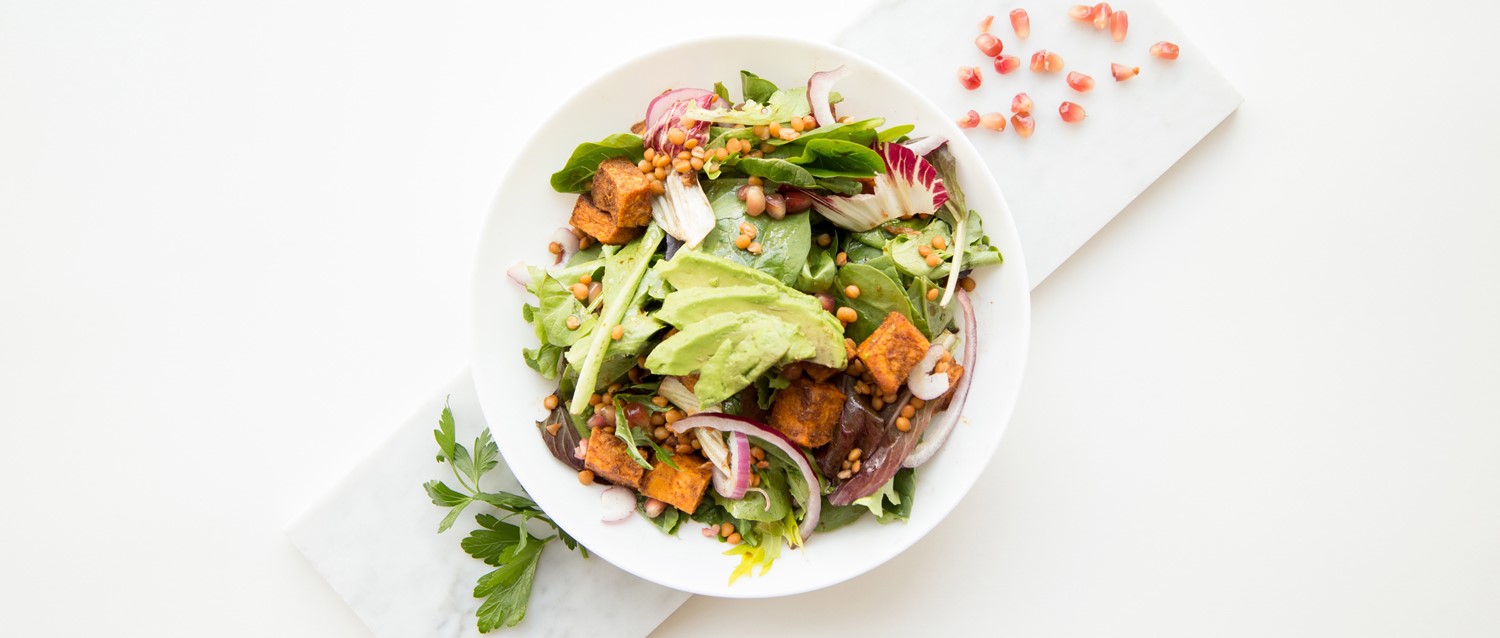
When comparing the definitions of both terms they do appear to be curiously similar. Clean eating generally means eating foods in their most natural form, avoiding processed or refined foods, eating healthily and cooking from scratch. Meanwhile orthorexia, which was first defined in 1997, is described as a 'pathological fixation on the consumption of appropriate and healthy food'.
Dr Max Pemberton, a psychiatrist who specialises in eating disorders, is in no doubt. "Clean eating is not an innocent trend that’s come along to counter unhealthy diets. It’s simply an eating disorder by another name and in the unit I work in, it’s an epidemic."
This is not to say that all people who claim to follow a clean eating diet are orthorexic or may become orthorexic.
The US National Eating Disorders Association states that the more of the questions listed below that you answer with a ‘yes’, the more likely it is that you would be determined to be orthorexic, rather than some who just eats clean.
Do you wish that occasionally you could just eat and not worry about food quality?
Do you ever wish you could spend less time on food and more time living and loving?
Does it seem beyond your ability to eat a meal prepared with love by someone else – one single meal – and not try to control what is served?
Are you constantly looking for ways foods are unhealthy for you?
Do love, joy, play and creativity take a back seat to following the perfect diet?
Do you feel guilt or self-loathing when you stray from your diet?
Do you feel in control when you stick to the “correct” diet?
Have you put yourself on a nutritional pedestal and wonder how others can possibly eat the foods they eat?
Specialists often find that people suffering with orthorexia have deficiencies in vital nutrients. This is because they have eliminated so many foods perceived as ‘unclean’ from their diet that they are unable to get the range of nutrients they need for healthy body function. If left unresolved this can lead to medical complications. For instance, the Royal Osteoporosis Society has highlighted the possible link between clean eating, orthorexia and osteoporosis in later life.
Studies have shown that orthorexia generally originates from what was originally a healthy motivation to eat well for better health. It is when this good intentioned behaviour change becomes an obsession, much like OCD, that there is the potential for a move away from healthy behaviours and into unhealthy obsessions.
A fast-acting illness
Annie saw her daughter go through this process at a horrifying rate.
“I noticed that she had started following some clean eaters on Facebook and before long was cutting out gluten and exercising more. After a short period of time she became incredibly particular about food labels and was instructing me to only buy certain brands of food. Her weight dropped dramatically and at the same rate her paranoia increased about food to the point that there was only a handful of foods that she would eat."
"After two hospital admissions due to worryingly low nutrient levels she finally started to turn a corner. She could see her friends and family were healthy and happy without following the strict regimes that she had been putting herself through."
"It was awful to see my daughter go through such torment and not know how to help her see another way. Fortunately however, three years on, I can now look to the future positively as she has recovered and is expecting her first child. The key to her recovery was realising that whether a food is clean or dirty is not black and white and that what is more important is eating in moderation."
A modern phenomenon?
Records show disordered eating dates as far back as the 12th century. However, today the increase in this particular condition appears to be the ability to constantly compare ourselves to numerous others at the click of a button via social media. Air brushed images and unsubstantiated opinions are leading many to make dangerous changes to their lifestyles.
Dr Steven Bratman who overcame orthorexia wrote for orthorexia.com "there have always been dual motivations for going to the gym and eating healthy food: to feel healthy and to look good. But I suspect that the appearance aspect of healthy diet has increased lately, due to celebrity endorsements and millions of Instagram photos. Currently, many people may be orthorexic at least in part for their looks rather than their health."
Moving forward
If you think you may be leaning on the side of orthorexia what can you do about it?
Limit social media
The idea that there is a relationship between social media (specifically Instagram) and the risk of orthorexia has been evidenced in a recent study.
So, although social media can have many positive impacts upon culture, business and lifestyle, it is important to be aware that it has the potential to have negative effects both mentally and physically when overused.
A positive change would be to review the people you are following on social media, delete those who you do not think have a healthy approach to eating and follow those who do.
Get back to basics and focus on the eat well plate
Each day make sure your meals have incorporated all the main required food groups. They are the building blocks for the body and will help to reduce the risk suffering deficiencies.
Fruit and vegetables
Carbohydrates
Dairy or dairy alternatives
Protein from meat, poultry, fish, pulses, beans, soy and eggs
Healthy fats from oily fish, avocados, nuts, seeds, oils and dairy
Speak to your doctor
They will be able to point you in the direction of support and also check whether you may be suffering from a deficiency.
Patient picks for Eating disorders

Mental health
Working with food when you have an eating disorder
The food industry can be a stressful place to work at the best of times. Long hours, precarious contracts, low wages and, for those in customer-facing roles, unreasonable demands, can all make for a tough working environment. Add in an eating disorder and the picture gets more complicated still.
by Patricia Carswell

Mental health
Debunking eating disorder myths and stereotypes
Mental health care provider The Priory Group estimates that 1.25-3.4 million people in the UK have an eating disorder. Despite this number, there are still many eating disorder myths and stereotypes surrounding the reality of eating disorders. While these misconceptions remain prevalent, people with eating disorder symptoms are likely to face barriers when reaching out for help. In this piece, we’ll explore some of the most common eating disorder myths, and assess why they are damaging.
by Emily Jane Bashforth
About the authorView full bio

Rose Constantine Smith, ANutr
Nutritionist
BSc (Hons), ANutr
Rose has authored for several publications including The Healthy Food Guide and is a Nutrition and Wellbeing Manager for The Good Eating Co.
About the reviewerView full bio
Rose Constantine Smith, ANutr
Nutritionist
BSc (Hons), ANutr
Rose has authored for several publications including The Healthy Food Guide and is a Nutrition and Wellbeing Manager for The Good Eating Co.
Article history
The information on this page is peer reviewed by qualified clinicians.
Article also available in English, German, Spanish, French, Italian, Portuguese, Hindi, Hebrew, Arabic, and Swedish.
13 Nov 2017 | Latest version
Join the conversation
Share your thoughts or experiences with others in our patient communities.

Ask, share, connect.
Browse discussions, ask questions, and share experiences across hundreds of health topics.

Feeling unwell?
Assess your symptoms online for free
Sign up to the Patient newsletter
Your weekly dose of clear, trustworthy health advice - written to help you feel informed, confident and in control.
By subscribing you accept our Privacy Policy. You can unsubscribe at any time. We never sell your data.
More in mental health
- CBT for insomnia: how does it work?
- Coping with grief after losing a loved one to lung cancer
- Diapression: unravelling the link between diabetes and depression
- Do beta blockers help with anxiety symptoms?
- Eating disorders in athletes: how can we tackle them?
- NewGaynor Faye on Hot Flash, menopause - and why midlife women deserve to be seen
- Grief: how to cope with the finality of death
- How to decide between different types of therapy
- How to support someone bereaved by suicide
- How to talk to people about your mental health
- NewLet’s talk about dating app burnout
- Re-sparkling - the science of finding more joy
- Spotting depression in your partner
- Sunday scaries: How to beat Sunday night anxiety
- What is serotonin syndrome and what causes it?
- What it's like to work for a suicide prevention helpline
- What mental health support is available to veterans?
- Why a Christmas movie can make us feel good
- Why do we find it comforting to re-watch our favourite movies?
- Why we should be making mental health New Year resolutions