Switch off TV in the bedroom to avoid weight gain
Peer reviewed by Natalie HealeyAuthored by Natalie HealeyOriginally published 11 Jun 2019
Meets Patient’s editorial guidelines
- DownloadDownload
- Share
- Language
- Discussion
- Audio Version
- Add to preferred sources on Google
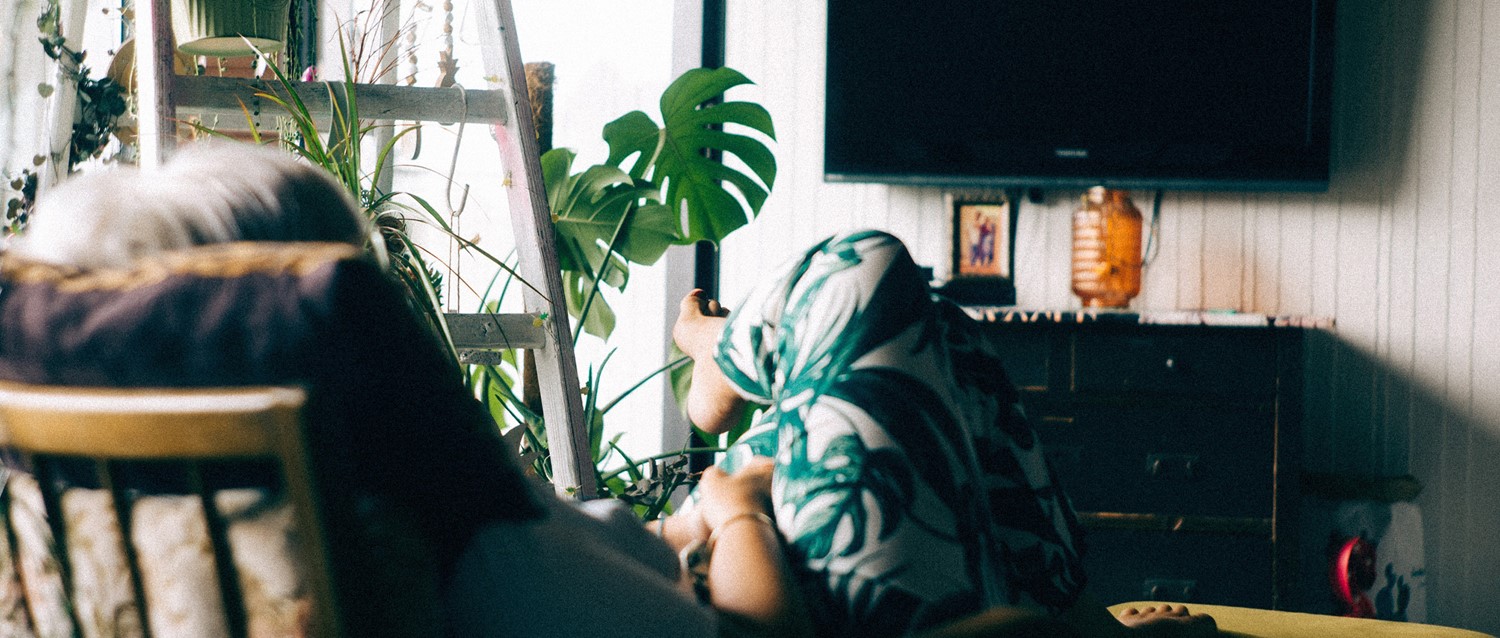
Sleeping with a television or light on in your bedroom may be a risk factor for gaining weight, according to scientists.
Need weight loss treatment?
Start a quick online consultation through Patient.info, available 24/7.
Reviewed by UK-registered clinicians and powered by Evaro, a UK-regulated healthcare service. Treatment can often be delivered next day.

The study, conducted at the National Institutes of Health, is the first to suggest an association between exposure to artificial light at night while sleeping and weight gain. The researchers believe total darkness at bedtime could reduce the chances of becoming obese.
The results varied with the level of artificial light exposure. Using a small nightlight was not associated with weight gain, whereas those who slept with a light or television on were 17% more likely to have gained five kilograms or more over five years.
The team looked at data from over 40,000 women. The participants were aged 35-74, had no history of cancer or heart disease, and were not shift workers or pregnant when the study began. Women were asked whether they slept with no light, a small nightlight, light outside of the room, or a light or television on in the room. Weight, height, waist and hip circumference and body mass index (BMI) measurements were recorded at the start of the study, and five years later at the end.
Dr Chandra Jackson, head of the NIEHS Social and Environmental Determinants of Health Equity Group, and one of the study's co-authors said: "Humans are genetically adapted to a natural environment consisting of sunlight during the day and darkness at night. Exposure to artificial light at night may alter hormones and other biological processes in ways that raise the risk of health conditions like obesity."
Of course, other factors may explain the association between artificial light and weight gain. But the researchers say their findings did not change when they controlled the data for characterisations that may be associated with artificial light exposure at night or weight gain, such as age, children in the home, race, calories consumed and physical activity.
Dr Michelle Miller, associate professor of biochemical medicine at the University of Warwick, said the research was promising but pointed out there were a number of limitations with the methods used.
"The study was only conducted in women; measures of light exposure were self-reported and non-quantifiable and sleep duration was also self-reported. The findings are however consistent with current advice that sleeping environments should be as dark as possible."
Patient picks for Obesity and weight loss
Healthy living
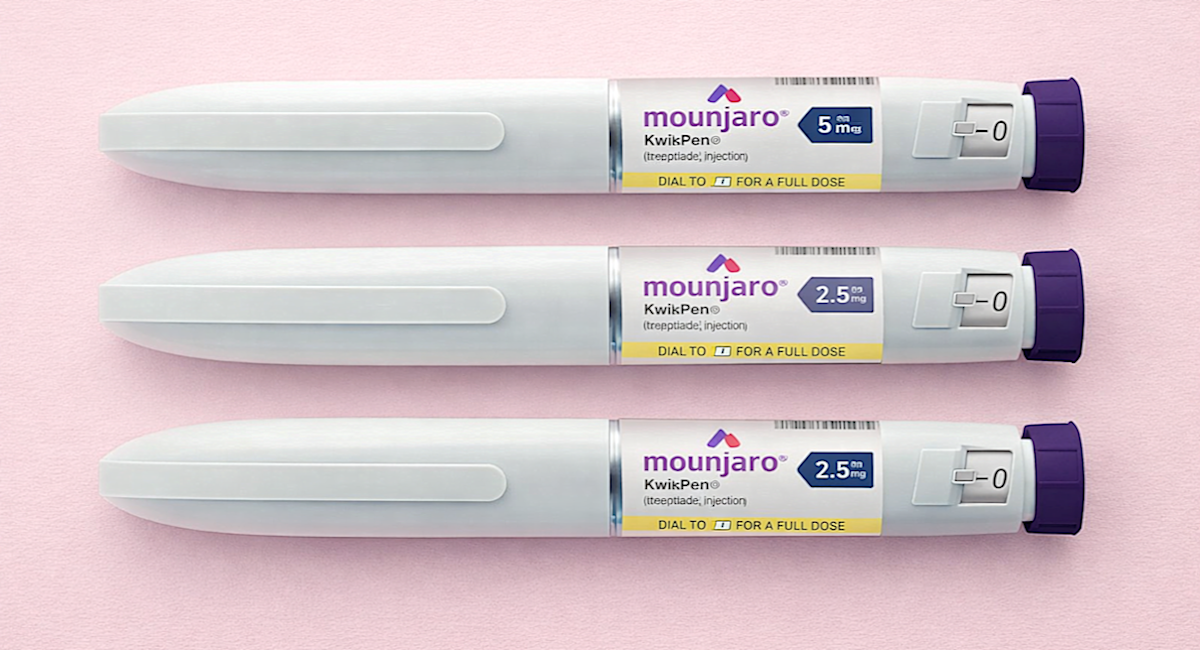
Mounjaro weight loss injections: FAQs
While weight loss injections such as Mounjaro can be incredibly helpful for some people, they’re also just one piece of the puzzle when it comes to long-term metabolic health. Understanding what they can and can’t do, and how they work, can help guide your decision-making if you’re thinking about trying them. Here are answers to some of the most common questions patients ask about Mounjaro.
by Dr Nienke Lees

Healthy living
Is intermittent fasting a healthy way to lose weight?
Intermittent fasting is a long-term diet plan where you abstain from food for a certain amount of days or hours every week and eat normally the rest of the time. It's the principle behind several popular diets, including the 5:2 and the 8:16. But does it work for weight loss? And is it safe?
by Ginny Weeks
Frequently asked questions
What is the recommended sleeping environment regarding light?
The findings consistently suggest that sleeping environments should be as dark as possible to potentially reduce the risk of health conditions such as obesity.
How reliable is this study on light exposure and weight gain?
While the research is considered promising, there were some limitations. Measures of light exposure and sleep duration were self-reported by participants and not objectively quantified. Also, the study was conducted exclusively in women.
Could other lifestyle factors explain the link between artificial light and weight gain?
The researchers did consider other factors like age, presence of children in the home, race, calorie intake, and physical activity. However, the association between artificial light and weight gain remained even after accounting for these variables.
Does having a small nightlight increase the risk of weight gain?
The study found no association between using a small nightlight and weight gain. The increased risk was observed in those who slept with a brighter light or a television on.
About the authorView full bio

Natalie Healey
Freelance journalist
BSc (Hons) Biomedical Science
She is a London-based health journalist who has been writing about science and medicine for several years. She is the former head of editorial at Patient.
About the reviewerView full bio
Natalie Healey
Freelance journalist
BSc (Hons) Biomedical Science
She is a London-based health journalist who has been writing about science and medicine for several years. She is the former head of editorial at Patient.
Article history
Article also available in English, German, Spanish, French, Italian, Portuguese, Hindi, Hebrew, Arabic, and Swedish.
11 Jun 2019 | Originally published
Authored by:
Natalie HealeyPeer reviewed by
Natalie Healey
Join the conversation
Share your thoughts or experiences with others in our patient communities.

Ask, share, connect.
Browse discussions, ask questions, and share experiences across hundreds of health topics.

Feeling unwell?
Assess your symptoms online for free
Sign up to the Patient newsletter
Your weekly dose of clear, trustworthy health advice - written to help you feel informed, confident and in control.
By subscribing you accept our Privacy Policy. You can unsubscribe at any time. We never sell your data.
More in healthy living
- Biohacking - where to start, and where to stop
- Can antidepressants cause vivid dreams?
- Does stress cause weight gain?
- Doomscrolling: Is the news bad for your mental health?
- Fun ways to keep fit without even realising it
- How to run a 10k with no experience
- Is the term 'wellness' problematic?
- LGBTQI+: what are the barriers and challenges in end of life care?
- Mental health: keeping track of your symptoms and early interventions
- Smoking could lead to sight loss, warn optometrists
- The best forms of exercise for those who hate the gym
- The best ways to quit smoking for good
- What are the benefits of squats?
- What are the health benefits of yoga?
- What causes sleep paralysis?
- What harm can conversion therapy cause and why isn't it banned?
- Why do transgender people struggle to get cervical screening?
- Why do we find it comforting to re-watch our favourite movies?
- Why fad diets can actually lead to weight gain
- Will future towns and cities focus on fitness?