Should you exercise if you have a chronic illness?
Peer reviewed by Dr Hayley Willacy, FRCGP Authored by Dr Sarah JarvisOriginally published 26 Jan 2018
Meets Patient’s editorial guidelines
- DownloadDownload
- Share
- Language
- Discussion
- Audio Version
- Add to preferred sources on Google
Doctors and nurses are always banging on about the benefits of exercise. But sometimes, they’re actively telling you to avoid some exercise on the basis that it can do more harm than good! Read on to find out about some of the special situations where exercise comes with a C for caution.
Joint replacements
If you’ve had a joint (hip, knee etc) replaced, strengthening your leg muscles is key to protecting your new joint. However, it’s also important to protect your new joint. You should have a visit from a physiotherapist within a day of surgery, and they’ll give you advice on specific strengthening exercises.
For most people who’ve had a hip replaced, at least in the first few months, you’ll be advised to avoid bending your hip by more than 90°, crossing your legs, swivelling round (take small steps to turn instead) or forcing further if any movement is uncomfortable.
Heart attack
If you’ve had a heart attack, it can be very scary to start exercising again – especially if your heart attack happened when you were active. But exercise you must – it’s one of the most important ways to cut your risk of further heart troubles. Long gone are the days when you were confined to bed for weeks after a heart attack. Now, your physio team will get you up within the day, and you’ll be invited to go to a ‘cardiac rehabilitation’ course, which includes exercise classes.
This will often involve building up gradually, especially if you weren't very fit when you had your heart attack. You'll also need to do some 'homework' in the form of regular exercise. Your team will advise you, but if there's a bit of a wait until you start your cardiac rehabilitation, a general guide is to aim to build up with daily walks, increasing the length each day until you're walking for about 20-30 minutes a day by 6 weeks after your heart attack.
As a rule of thumb, you can walk, use an exercise bike and make love when you feel ready; do housework and moderate gardening within 5-6 weeks (or 10-12 weeks after heart surgery) and restart DIY and heavier lifting after about 2 months (3 months after heart surgery).
Lung conditions
For people with the chronic lung condition COPD, one of the biggest limitations to life is lack of exercise. Shortness of breath on exercise is a key symptom of COPD, so sufferers avoid exercise because they’re worried it will make their breathing worse. This leads to out-of-condition muscle and heart, lower levels of fitness and – you’ve guessed it – more shortness of breath.
So exercise is key – but terrifying for many patients. Pulmonary rehabilitation classes are invaluable here. You get tailored exercise and support to build up gradually – walking a little further and a little faster each time. Your team will never advise you to do anything that's dangerous, and if you keep up with the exercises they recommend between classes, you should find your ability to exercise increases, and your breathlessness goes down, within weeks.
Falls
Having a fall can really knock your confidence – and understandably, lots of my patients worry about further falls if they exercise. But again, muscle strength is actually key to improving balance and avoiding falls. Older people should do a mix of
‘Aerobic’ exercise (brisk walking, dancing, swimming etc) on 5 days a week with
‘Resistance’ exercises using light weights only on at least 2 days a week. You should aim to be exercising all the major muscle groups with these exercises
Exercises from sitting can strengthen your upper body – lifting cans of beans up to your shoulders, for instance. If you’re at risk of falls, you can still exercise on your own with leg raises while lying or sitting. But you’ll also need upright exercises – ask your GP about a falls prevention programme.
The menopause
Once you’ve been through the menopause, your risk of osteoporosis (thinning of the bones) increases significantly. Overall, 1 in 3 women and 1 in 5 men of 50 will break a bone due to osteoporosis. One of the best ways to avoid this fate is with regular exercise that jars your bones slightly. This is one of the few situations where swimming and cycling don’t help – they’re both ‘non-weight bearing’ and while they’re great for your heart and general fitness, they don’t provide the impact you need for bone regrowth.
However, swimming and cycling are both great for improving muscle strength and balance, do don’t cut them out altogether. You should combine some endurance exercise (the kind that gets you mildly out of puff, like aerobics classes, brisk walking/jogging and treadmill or rowing machines at a gym); strength exercise (lifting light weights) and balance exercises. However, your doctor may advise you to steer clear of high impact exercises like tennis, gymnastics, skipping etc if you’ve been told you have osteoporosis - check with them first.
With thanks to My Weekly where this article was originally published
Patient picks for Exercise and physical activity
Healthy living
How to run a 10k with no experience
At the beginning of the year, I was clinging on to my New Year's resolution of getting in shape and somehow signed myself up for a 10 kilometre race around Kew Gardens in London. What could go wrong? For one, I had no experience and no idea where to start. Luckily, I sought advice from some experts. Pairing this with my own training experience, here are a few tips to see you through your first 10k.
by Georgia Gallant
Healthy living
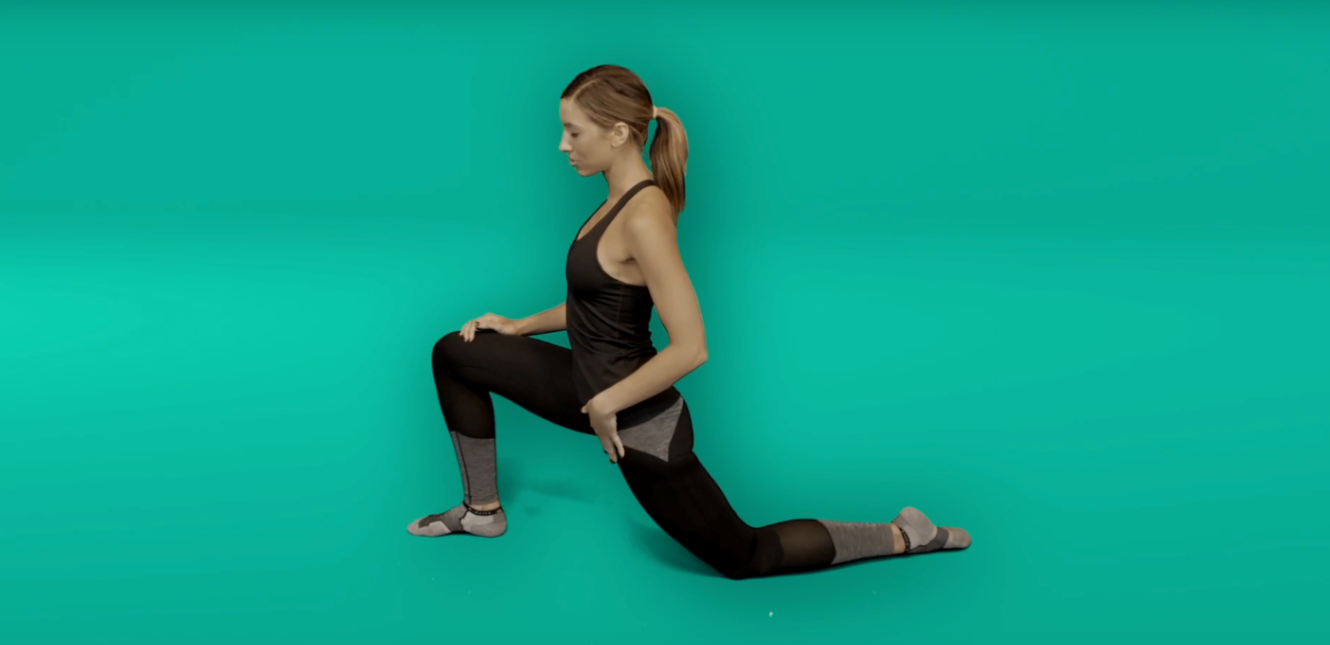
Video: Hip pain exercises
Hip injuries are common in all age groups. The most common cause of chronic (long-standing) hip pain in adults is osteoarthritis. Because the hip is such a complex joint, hip pain can be caused by many different things including: muscular injuries; ligament injuries; bursa injuries; cartilage tears; bone problems; fractures; reduced blood flow to the hip joint; or infection.
by Lilly Sabri, MHPC
About the authorView full bio
Authored by

Dr Sarah Jarvis
Clinical Consultant
MA (Cantab), BM, BCh (Oxon), DRCOG, FRCGP, MBE
After training in medicine at Cambridge and Oxford, Dr Sarah Jarvis MBE became a GP.
About the reviewerView full bio

Dr Hayley Willacy, FRCGP
General Practitioner, Medical Author
MBChB (1992), DRCOG, DFFP, MRCOG (Part 1) MRCGP (2007), DFSRH (2013), MSc - medical education (2020)
Dr Hayley Willacy was an NHS GP working in northwest England, who retired from clinical practice in 2022 after 30 years.
Article history
Article also available in English, German, Spanish, French, Italian, Portuguese, Hindi, Hebrew, Arabic, and Swedish.
26 Jan 2018 | Originally published
Authored by:
Dr Sarah JarvisPeer reviewed by
Dr Hayley Willacy, FRCGP
Join the conversation
Share your thoughts or experiences with others in our patient communities.

Ask, share, connect.
Browse discussions, ask questions, and share experiences across hundreds of health topics.

Feeling unwell?
Assess your symptoms online for free
Sign up to the Patient newsletter
Your weekly dose of clear, trustworthy health advice - written to help you feel informed, confident and in control.
By subscribing you accept our Privacy Policy. You can unsubscribe at any time. We never sell your data.