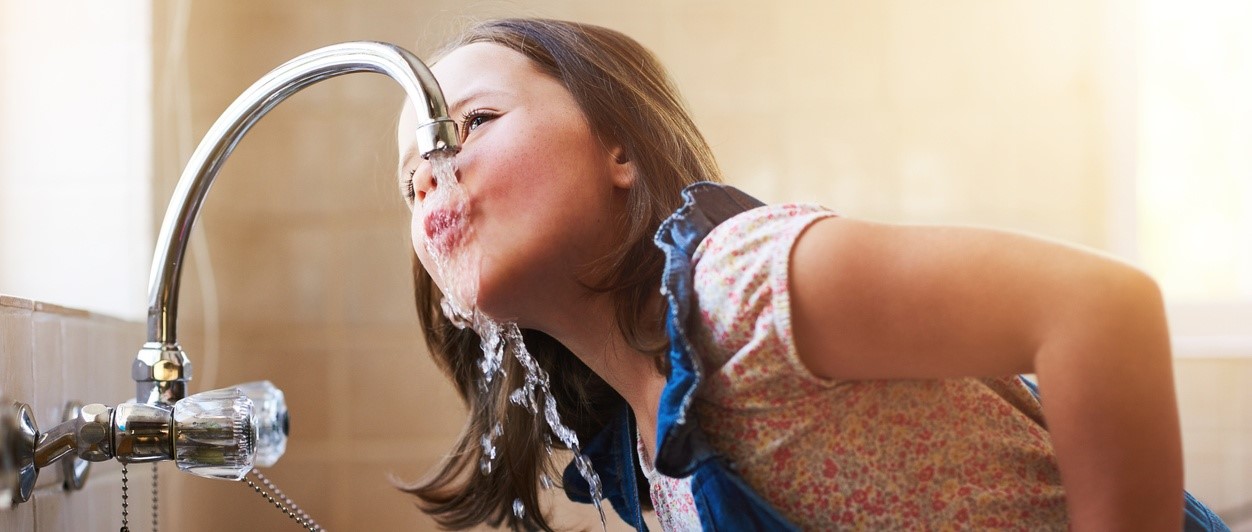
Qualità dell'acqua nel Regno Unito parte 1 – l'acqua del rubinetto è sicura?
Revisione paritaria di Dr Krishna Vakharia, MRCGPAutore Amberley DavisPubblicato originariamente 17 Ott 2023
Rispetta le linee guida editoriali
- ScaricaScarica
- Condividi
- Language
- Discussione
- Ask Patient
- Versione audio
- Aggiungi alle fonti preferite su Google
We drink it every day, and sometimes we swim in it. Access to clean water is a fundamental human right, but growing concerns over sewage pollution have shone a spotlight on UK water. From impurities in drinking water to pollutants in our rivers and seas, we find out how the UK cleans up.
In part 1 of this series, we start in the home and explore the potential safety concerns of our tap water.
Water quality in the UK
You've likely been told to bere molta acqua. This life-sustaining liquid fuels our bodies and minds and helps prevent many health problems. Without it, the average person would die within three days. Yet, water can also carry substances that harm us and make us ill. To prevent this, authorities treat water before it can be drunk and manage common pollutants.
Nutritionist Gabi Zaromskyte helps us explore drinking water safety here in part 1 of our UK water quality series. In part 2, we travel out the home and into our rivers and seas to discover the state of water pollution.
What's in tap water?
The UK has stringent water quality standards to protect your safety, and your tap water is filtered of toxins in treatment plants before it reaches your home. This doesn't totally get rid of all impurities in the water - but the amounts left in are generally considered safe in the UK.
In fact, the UK is one of only six nations worldwide to achieve the maximum score possible for drinking water sanitation in the 2022 Environmental Performance Index1.
When it reaches our homes, nutritionist Gabi explains that water can still carry:
Traces of impurities - Chemicals such as chlorine, limescale, and copper are toxic to the body in large amounts, but the small amounts in drinking water are generally considered safe. In fact, the appropriate amount of chlorine works as a disinfectant, helping to keep your water safe from germs2.
Lead contamination - Older homes with lead plumbing may experience lead leaching into tap water. Too much exposure to lead can hinder mental development in babies and affect the brain, heart, and kidneys in adults3.
Added fluoride - Many UK water suppliers add fluoride to tap water to improve dental health and reduce carie dentale. While the practice is considered safe and effective, some regional areas may naturally have higher water fluoride levels. In rare cases, long-term excessive fluoride intake can lead to skeletal fluorosis - a serious condition of the bones.
Environmental contaminants - Substances that seep into our water sources from the environment, such as nitrates from agricultural run-off or sewage contamination, are mostly removed in treatment plants. However, it's important that we try to limit contamination as much as possible at the source.
Should you filter tap water?
UK tap water shouldn't make you ill because harmful levels of toxins have been filtered out before it reaches your taps. However, domestic water filters claim to remove many of the remaining impurities and improve taste.
The levels of both beneficial and un-beneficial substances in your water will depend on where you live. Also, different filters have different functions - no single water filter can get rid of every type of contaminant. It's also worth noting that water filters can remove minerals that are good for you, like calcium, magnesium, and fluoride which support healthy bones and teeth2.
L Organizzazione Mondiale della Sanità (OMS) ho rated a range of water filter brands based on how good they are at keeping out bacteria.
Water filters could help people with sensitivities to chlorine or who have weakened immune systems and are therefore more vulnerable to the effects of bad bacteria.
Hard water vs soft water
"The choice between hard and soft water largely depends on personal preference and regional water quality," says Gabi. "Both types are generally safe for consumption, and for most people any potential health effects are relatively minor."
The hardness or softness of water depends on its mineral content. Gabi says: "Hard water contains higher levels of essential minerals like calcio e magnesium, which contribute to your daily mineral intake. Soft water has a lower mineral content and tends to have higher concentrations of sale."
From a dietary perspective, this makes hard water slightly healthier, but if you eat enough calcium and magnesium through a dieta sana, the levels in your water are unlikely to make a difference.
However, if you are more vulnerable to heart related diseases like ipertensione, there's some evidence that living in regions with hard water may offer some protection4. It's thought that this might be because soft water contains more salt and causes more stiffness in your arteries5. More robust research is needed, and your diet and lifestyle are considered to be by far the most important factors for heart health.
Nitrates in drinking water and bowel cancer
There's a great deal of interest in the potential link between nitrates in drinking water and cancro intestinale risk - but more research is needed.
"Nitrates are chemical compounds that can be found in groundwater and surface water due to agricultural runoff, sewage contamination, and other sources," says Gabi. "Our bodies convert nitrates to nitrites, which can lead to the formation of nitrosamines in the gut."
Nitrosamines are common in both food and water, but some experts believe that high levels caused by prolonged nitrate exposure may increase a person's cancer risk. One study in New Zealand suggested that high levels of nitrates in drinking water may be contributing to their national cases of bowel cancer6.
So how much nitrate in our drinking water is too much? The UK standard is based on WHO's guidance for safe nitrate levels, which is up to 50 mg per litre7. Drinking levels below 50mg/L do not appear to cause common health problems associated with ingesting toxins, including problemi alla tiroide and infant methemoglobinemia - a very rare condition where toxins lower blood oxygen levels in babies. Critics, however, argue that these guidelines don't take long-term cancer risk into account6.
"Nonetheless, it's important to know that the potential risk appears to be associated with long-term exposure to high levels of nitrates," Gabi adds. "Moreover, bowel cancer is a complex disease influenced by multiple factors, including genetics, diet, lifestyle, and other environmental exposures." It"s therefore difficult to know the effects of drinking water nitrates in isolation.
It's good to know about the trace toxins in our tap water, but bear in mind that UK tap water is considered to be among the most sanitised and safe in the world. Further research into the potential toxic affect of nitrates and other substances, at certain levels, can help to maintain or improve our water quality standard in the future.
Ulteriori letture
Scelte del paziente per Condizioni ambientali

Salute generale e stile di vita
Quali sono i benefici per la salute delle piante d'appartamento?
Le piante da interno possono essere un'ottima aggiunta alla tua casa e davvero illuminare la tua stanza (a patto che tu ricordi di innaffiarle). Tuttavia, sapevi che le piante da interno fanno molto di più che aggiungere colore alla tua camera da letto? Hanno anche una serie di benefici per la salute.
di Emily Jane Bashforth
Salute generale e stile di vita
Sconfiggi il caldo: la tua guida essenziale per la sicurezza al sole
With warmer weather expected to continue across the UK in the coming months, St John Ambulance has shared important health advice to help people recognise the symptoms of common heat-related conditions and understand how to treat them. Knowing these essential tips can keep you safe, prepared, and ready to make the most of your summer.
di Victoria Raw
Informazioni sull'autoreVisualizza il profilo completo
Autore

Amberley Davis
Scrittore senior
BA (Hons), CPD
Amberley è una scrittrice senior presso Patient e ha scritto ampiamente su una gamma di argomenti relativi alla salute e al benessere.
Informazioni sul recensoreVisualizza il profilo completo

Dr Krishna Vakharia, MRCGP
Direttore Sanitario per la Salute, Optum UK
MBChB, MRCGP(2013), BMedSci (hons), DFSRH, DRCOG, PGDipDerm (Distn)
La Dott.ssa Krishna Vakharia è un medico di base del NHS. È anche un'esaminatrice regolare per il Diploma post-laurea in Dermatologia Pratica presso l'Università di Cardiff, oltre ad essere il Direttore Medico per la salute presso Optum UK.
Storia dell'articolo
Articolo disponibile anche in Inglese, Tedesco, Spagnolo, Francese, Italiano, Portoghese, Hindi, Ebraico, Arabo, and Svedese.
17 Ott 2023 | Pubblicato originariamente
Autore:
Amberley DavisRevisione paritaria di
Dr Krishna Vakharia, MRCGP
Condividi i tuoi pensieri o esperienze con gli altri nel nostro comunità di pazienti.
Accesso semplice a trattamenti affidabili e servizi sanitari online.
Common conditions
Get help with common conditions through the NHS, without a GP appointment.
 Sinusite acuta
 Tonsillite batterica
 Impetigine
 Punture di insetti
 Fuoco di Sant'AntonioInfezioni delle vie urinarie (IVU)
Iscriviti alla newsletter di Patient
La tua dose settimanale di consigli sulla salute chiari e affidabili - scritti per aiutarti a sentirti informato, sicuro e in controllo.
Abbonandoti accetti i nostri Informativa sulla Privacy. Puoi annullare l'iscrizione in qualsiasi momento. Non vendiamo mai i tuoi dati.