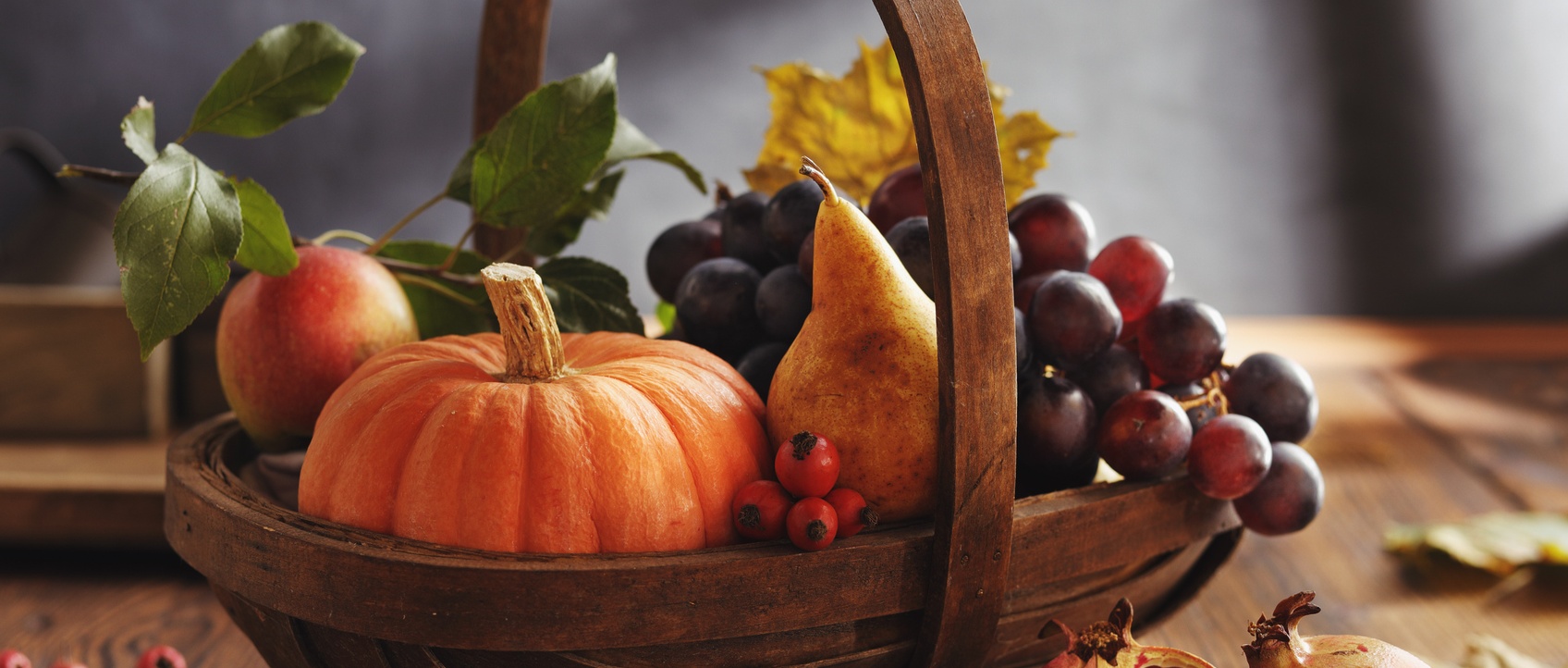
Cos'è la dieta Ornish e può trasformare la tua salute?
Revisione paritaria di Dr Krishna Vakharia, MRCGPAutore Victoria RawPubblicato originariamente 16 Ott 2024
Rispetta le linee guida editoriali
- ScaricaScarica
- Condividi
- Language
- Discussione
- Versione audio
- Aggiungi alle fonti preferite su Google
La dieta Ornish è un piano a base vegetale, originariamente sviluppato dal Dr. Dean Ornish come metodo per prevenire e invertire le malattie cardiache. Promuove una dieta povera di grassi e ricca di fibre, insieme a significativi cambiamenti nello stile di vita. Ti incoraggia a ridurre l'assunzione di zuccheri e cibi trasformati, integrando esercizio fisico regolare e gestendo lo stress.
How does the Ornish diet work?
The Ornish diet is a low-fat, low-cholesterol eating plan that limits refined carbohydrates. It recommends that only 10% of daily calories come from fat, with a cholesterol intake of 10 milligrams or fewer, and excludes animal protein except for fat-free dairy products and egg whites.
Pharmacist and nutritional therapist Deborah Grayson, Practice With Confidence, Greater Manchester, UK explains that the Ornish diet is based on the following principles:
Whole foods - focuses on eating whole, minimally processed foods, including fruits, vegetables, whole grains, legumes, and nuts.
Povero di grassi - daily fat intake is limited to around 10% of total calories, promoting low-fat food choices.
Plant-based - prioritises plant-based foods, especially high-fibre options. Animal products are limited to small amounts of non-fat dairy and egg whites.
High fibre - a high-fibre diet, achieved by eating whole grains, fruits, and vegetables, is encouraged to promote digestive health and help regulate appetite.
Limited sugar and processed foods - reducing your intake of added sugars and highly processed foods is advised to enhance your overall health and well-being.
Regular physical activity - encourages regular exercise and physical activity as essential components of a healthy lifestyle.
Gestione dello stress - promotes stress-reduction techniques, such as meditation, yoga, and support groups.
Michelle Routhenstein, Cardiology Dietitian, EntirelyNourished.com adds that non-fat milk products - such as yoghurt or milk - are allowed with a limit of two servings or less daily. Alcohol and caffeine are also restricted, though green tea is permitted by up to two cups a day.
Benefits of the Ornish diet
A whole-food, low-fat, plant-based diet combined with regular exercise and less stress is generally believed to have various health benefits.
Dr Tracy Paeschke, preventive cardiologist, Colorado Springs, USA says this type of dietary and lifestyle approach lowers your chance of developing:
Malattie cardiache.
Alta pressione sanguigna.
High cholesterol.
Type 2 diabetes - including management.
She says: "What's good for your heart is usually good for the rest of your body."
According to Routhenstein, research indicates that following this diet may lower inflammation, and potentially help those with a higher likelihood of developing Alzheimer’s disease.
What foods are allowed on the Ornish diet?
Here are several food options that you can include in your diet following the Ornish diet plan:
Fresh fruits - such as apples, bananas, blueberries, grapes, oranges, pears, pineapple, plums, raspberries, strawberries, watermelon.
Verdure - such as artichokes, asparagus, broccoli, Brussels sprouts, cabbage, cauliflower, celery, kale, mushrooms, peppers, peas, spinach.
Fresh herbs - such as basil, chives, cilantro, mint, oregano, parsley, rosemary, sage, thyme.
Legumi - black beans, black-eyed peas, baked beans, chickpeas, green peas, kidney beans, lentils, pinto beans, split peas.
Wholegrain foods - barley, brown rice, oatmeal, quinoa, whole grain bread, whole grain cereals.
Plant-based proteins - tofu, soybeans, soy products such as soy cheese, soy milk, soy yoghurt, egg whites.
Supplements - multivitamin without iron, cholesterol-free fish oil capsules.
What foods should you avoid on the Ornish diet?
Here are several food options the Ornish diet advises you to restrict:
Animal products - unless non-fat milk products and egg whites.
Alimenti ricchi di grassi - such as avocados, coconut, nuts, oils, seeds,
Carboidrati raffinati - such as baked goods, cakes, pastries, processed foods, sugar, sweets, white bread, white pasta, white rice.
Alcol - allowed in small amounts.
Caffeina - allowed two cups of green tea a day.
Is the Ornish diet good for weight loss?
While the Ornish diet focuses more on overall health than on counting calories, it can indirectly contribute to weight loss.
Paeschke says: "Because the Ornish diet is a whole-food, plant-based diet low in oils, it's also low in calories and high in fibre - both of which help you lose weight and maintain your weight loss."
However, Grayson warns that because this diet is restrictive, it can be challenging to follow long-term.
"It may be difficult to maintain weight loss after transitioning off the diet, especially if you revert to previous eating patterns," she explains. "The restrictive nature of the diet might also trigger unhealthy relationships with food or eating behaviours - especially where a history of eating disorders exists."
Is the Ornish diet good for everyone?
Although the Ornish diet's focus on plant-based foods and low-fat intake is good for heart health, it's important to consider its potential drawbacks.
Grayson explains that a low-fat diet that is this restrictive may lead to deficiencies in essential fatty acids, vitamins, and minerals found in healthy fats, such as omega-3 fatty acids from fish or avocados. The restriction of animal products and high-fat foods may result in lower protein intake unless carefully planned with a wide variety of plant-based protein sources.
"If you require a higher fat intake for medical reasons - for example, epilepsy - you may not find the Ornish diet suitable," she adds. "Low-fat diet plans may leave you feeling less full, potentially leading to increased hunger and overeating of carbohydrates.
Athletes or those with physically demanding jobs may also require more protein than the Ornish Diet typically provides. If you are pregnant or breastfeeding you require higher fat and protein intake for your baby's development and breast milk production."
Before making significant dietary changes, always consult with a healthcare professional to ensure that any diet aligns with your specific health needs and goals. Always consult a healthcare professional before making any major changes to your diet. This way, you can ensure it meets your specific health needs and goals.
Scelte del paziente per Dieta
Dieta e nutrizione
Che cos'è la dieta Volumetrics e dovresti provarla?
At its core, the Volumetrics diet is about eating more food with fewer calories, so you feel fuller for longer. This idea might sound appealing, but like many diets that make big promises, it comes with pitfalls. While it does offer some health benefits, the Volumetrics approach may not be the best fit for your long-term wellbeing.
di Victoria Raw
Dieta e nutrizione
Perché il formaggio cottage è la nuova tendenza dietetica?
You can dip vegetables in it, top your granola with it, and use it as a pasta sauce base. In fact, there are many things you can do with cottage cheese - and you may just want to, when you learn how nutritious this versatile cheese really is.
di Victoria Raw
Informazioni sull'autoreVisualizza il profilo completo

Victoria Raw
Scrittore di Articoli
Laurea in Lettere (Hons), Letteratura Inglese
Victoria è una scrittrice di contenuti per Patient i cui interessi speciali si concentrano sul benessere mentale, le tendenze sociali e l'impatto della tecnologia sulla nostra salute.
Informazioni sul recensoreVisualizza il profilo completo

Dr Krishna Vakharia, MRCGP
Direttore Sanitario per la Salute, Optum UK
MBChB, MRCGP(2013), BMedSci (hons), DFSRH, DRCOG, PGDipDerm (Distn)
La Dott.ssa Krishna Vakharia è un medico di base del NHS. È anche un'esaminatrice regolare per il Diploma post-laurea in Dermatologia Pratica presso l'Università di Cardiff, oltre ad essere il Direttore Medico per la salute presso Optum UK.
Storia dell'articolo
Le informazioni su questa pagina sono revisionate da clinici qualificati.
Articolo disponibile anche in Inglese, Tedesco, Spagnolo, Francese, Italiano, Portoghese, Hindi, Ebraico, Arabo, and Svedese.
Prossima revisione prevista: 17 Ott 2027
16 Ott 2024 | Pubblicato originariamente
Autore:
Victoria RawRevisione paritaria di
Dr Krishna Vakharia, MRCGP

Chiedi, condividi, connettiti.
Esplora le discussioni, fai domande e condividi esperienze su centinaia di argomenti di salute.

Non ti senti bene?
Valuta i tuoi sintomi online gratuitamente
Iscriviti alla newsletter di Patient
La tua dose settimanale di consigli sulla salute chiari e affidabili - scritti per aiutarti a sentirti informato, sicuro e in controllo.
Abbonandoti accetti i nostri Informativa sulla Privacy. Puoi annullare l'iscrizione in qualsiasi momento. Non vendiamo mai i tuoi dati.
Di più su dieta e nutrizione
- 7 ricette di insalate estive leggere per le calde giornate estive
- Un approccio ibrido all'alimentazione: la tua guida alla dieta pegan
- I bambini nati con taglio cesareo hanno batteri intestinali diversi rispetto a quelli nati per via vaginale
- Alimenti per rafforzare il tuo sistema immunitario questo inverno
- Ricette di pancake salutari per la tua dieta
- Come aumentare i livelli di vitamina D questo inverno
- Come seguire una dieta vegetariana ricca di calcio
- Come digiunare in sicurezza durante il Ramadan
- Come aumentare di peso in modo sano
- Come fare acquisti per una dieta a basso contenuto di colesterolo
- Is the food traffic light labelling system useful?
- La maggior parte degli integratori vitaminici non è benefica per la salute, secondo uno studio
- Dovresti assumere probiotici durante la gravidanza?
- Alimenti ultra-processati: i latti senza lattosio come quello d'avena o di soia sono buoni per noi?
- Segni di carenza di vitamina B12 che devi conoscere
- Che cos'è la dieta carnivora ed è salutare?
- Che cos'è la dieta Volumetrics e dovresti provarla?
- Quali alimenti possono ridurre il tuo stress e ansia?
- Quali alimenti aiutano a combattere le infezioni?
- Perché la fibra è tua amica