First period - supporting your child when they start menstruation
Peer reviewed by Dr Krishna Vakharia, MRCGPLast updated by Lawrence HigginsLast updated 3 Apr 2023
Meets Patient’s editorial guidelines
- DownloadDownload
- Share
- Language
- Discussion
- Audio Version
- Add to preferred sources on Google
Getting your first period is an important developmental milestone. However, although it is a healthy and natural part of growing up, it can come with symptoms and challenges that are both physical and emotional. It's important to inform and prepare both ourselves and our children in order to minimise any difficulties and offer the right support at the right time.
For the purpose of this article 'girls, females, or women' are those individuals assigned as female at birth. It is not intended to exclude or dismiss individuals who do not identify as female.
When is my child likely to start their period?
The average age at which girls get their first period is 12. However "there is a large normal range, between the ages of 10 and 16," explains Dr Deborah Lee, from Dr Fox Online Pharmacy. Some may start their period as young as 8 years old. If your child begins to menstruate before this age, it's important to seek advice from a healthcare professional.
Although almost impossible to predict, physical markers may give a clue to when an individual girl may start their period, the first period usually starts two years or so after breast development begins," says Lee.
This quiz may help you identify these and some of the other symptoms associated with the first period.
It's advisable to talk to your child about growing up at the onset of puberty or earlier so they are prepared for the next stage in their development.
How to have the period talk
It can be hard to engage adolescents in conversation at the best of times, but even more so when the subject matter might cause embarrassment. Nobody knows your child better than you - and how best to approach the subject of their first period will vary from person to person.
"I'd recommend starting by noting that they'll soon be going through a phase of physical change to prepare them for adulthood, and asking if they have any questions," explains Dr Sharie Coombes psychotherapist and author of Choose You!. "Also ask them if they've heard things that they're not sure about: often they hear snippets of exaggerated and wrong information which may be scary."
For some girls, this will be the start of an open dialogue around physical changes. Others may feel less able to open up. "If a child is embarrassed and not able to ask anything, try offering them a book or two to read on the subject. After reading, you can discuss the books if they feel ready. It's important to stress that even if they are embarrassed we, as a parent, won't be and that it's something that we all go through," explains Coombes.
First period symptoms
So what physical symptoms might accompany a girl's first period?
Light or heavy bleeding
"The first period may be short or long but will usually last between 2-7 days. First periods are often anovulatory - the ovary has tried to ovulate and failed. Because of this, the periods are often irregular, and the bleeding episodes may be either very light, or heavy and prolonged," says Lee.
"The first few periods may well be heavier than an average period and will be likely to settle down as the cycle becomes established," explains Lee.
The heaviest bleeding usually takes place during the first two days. Blood colour can range from red to darker colours such as brown or even black.
Irregular periods
We tend to think of periods as a monthly occurrence, but in reality, it can take several years for periods to develop into a regular pattern. "By five years post-menarche (after periods start), 95% of menstrual cycles are 21-40 days in length. As ovulation becomes more regular, the menstrual pattern stabilises," explains Lee.
Spotting
"Some people will also experience a little spot bleeding in the run-up to their first period(s) which is normal and to be expected. If it fails to settle within a few cycles, this should be discussed with your GP," says Lee.
Pain
Most girls experience a little mild to moderate cramping around the time of their first period, or indeed when on their period in general. This can usually be soothed with a heat pad or, if the pain is more pronounced, by taking paracetamol. However, if your child experiences severe cramping, including pain that doesn't settle with painkillers or that's interfering with their activities, it's worth having a chat with your GP. The GP may prescribe medication to relieve the pain or, in some circumstances, may investigate other causes.
When should we seek medical advice for a first period?
The age at which a girl starts their first period can vary, but if your child has not started their periods by the age of 16, it's important to seek medical advice. In addition, "if a girl goes three months without a period, this should be discussed with a healthcare professional," advises Lee.
Heavy bleeding (menorrhagia) "such that a tampon or pad lasts only 1-2 hours and/or bleeding episodes last more than seven days" should also prompt healthcare advice and may require investigation.
When to see a doctor for spotting between periods
"Although premenstrual spotting is common early on if this persists, or bleeding develops in between the periods, this would also be a reason to see the GP," advises Lee.
Emotional changes
The emotional impact of a period can be one of the most difficult aspects to explain and cope with. Adolescents go through a wide range of emotions due to fluctuating hormone levels at this time, and may also experience a reaction to the period itself.
Feelings around periods
Your child may not know how they feel about periods until they experience their first one. Many will be quite pleased to get their first period, but all reactions are valid. "Explain that everyone feels differently when they start their periods," advises Coombes. "They might feel excited, nervous or even disgusted. It's best not to over-define with them how they might feel, but talk about accepting what feelings come up and knowing where to get support.
"Some girls have a denial of their periods and struggle to cope with a maturing body. They will probably benefit from counselling to cope with the loss involved. In addition, for those with gender dysphoria, this may prove a challenging time."
What is premenstrual syndrome?
In premenstrual syndrome, hormonal fluctuations cause girls to feel "tired and irritable", around the time of their first period. They may experience mood swings, lethargy or changes in appetite.
Physically, many girls find they experience breast tenderness, headaches, spotty skin or bloating around the time of their period.
Many of these symptoms are premenstrual symptoms, and a girl may go on to experience some of these symptoms, every month, in the few days before the onset of a period.
Everyone is different and it's important not to alarm your child about the possible negative side effects. But having an understanding of how they might feel before and during menstruation should help them to manage their symptoms more effectively.
How to prepare yourself and your child for their first period
Of course, as well as talking about periods, it's important to make some physical preparations for when the time comes.
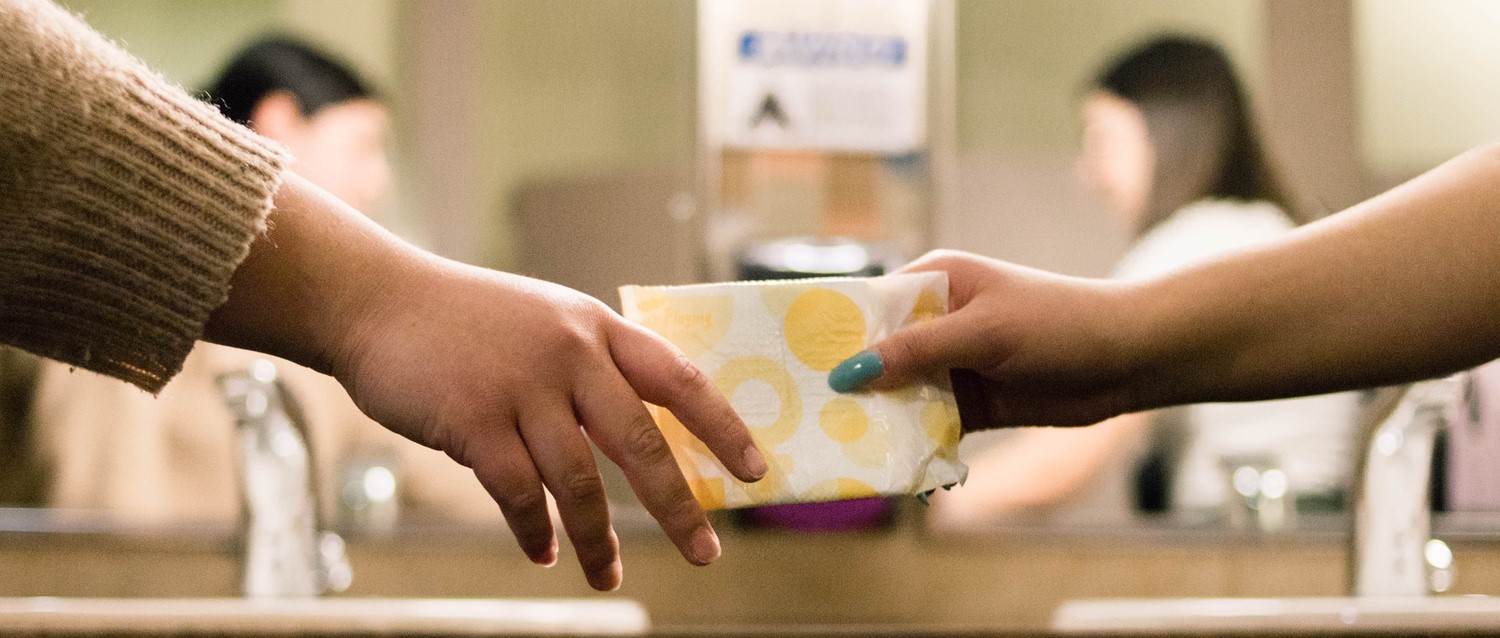
There are several options when it comes to sanitary protection. Tampons can be used from the first period, although many decide to start with sanitary towels. Reusable sanitary towels can be an eco-friendly option, as can period knickers - knickers that effectively absorb period blood - or menstrual cups. Talk to your child about what they might prefer, and have a few products ready for when the day comes.
Toxic shock syndrome (TSS) is an infection that may occur when using tampons or menstrual cups, as demonstrated in this study. While it's important to familiarise yourself and your child with symptoms of toxic shock syndrome, it's important to remember that this condition is extremely rare.
It's also a good idea for your child to have a period product with them - encourage them to pack something discreetly in their school bag to ensure they are prepared.
A first period can be an important developmental milestone. Ensuring you prepare your child will help to minimise any difficulties and enable them to move forward into a new phase of life.
Patient picks for Periods and period problems
Women's health
How to get rid of period cramps
If you get periods, it's likely that you will have experienced period cramps and period pain at some point. Thankfully, most of the time menstrual cramps can be managed using tried and tested methods at home.
by Milly Evans
Women's health
Why are more young women losing their periods due to restrictive diets and excessive exercise?
Experts have become alarmed by the increasing number of people losing their periods as a result of restrictive dieting and excessive exercise. There are concerns that this increase in so-called 'functional hypothalamic amenorrhoea' is connected to the content young people consume online.
by Emily Jane Bashforth
About the authorView full bio
Gillian Harvey
Freelance Writer
BA (Hons) English
Gillian is a freelance writer and columnist for a variety of national newspapers and magazines.
About the reviewerView full bio

Dr Krishna Vakharia, MRCGP
Chief Medical Officer for Health, Optum UK
MBChB, MRCGP(2013), BMedSci (hons), DFSRH, DRCOG, PGDipDerm (Distn)
Dr Krishna Vakharia is an NHS GP. She is also a regular examiner for the postgraduate Diploma in Practical Dermatology at Cardiff University as well as being the Chief Medical Officer for health at Optum UK.
Article history
Article also available in English, German, Spanish, French, Italian, Portuguese, Hindi, Hebrew, Arabic, and Swedish.
3 Apr 2023 | Latest version
14 Apr 2022 | Originally published
Authored by:
Gillian Harvey
Join the conversation
Share your thoughts or experiences with others in our patient communities.

Ask, share, connect.
Browse discussions, ask questions, and share experiences across hundreds of health topics.

Feeling unwell?
Assess your symptoms online for free
Sign up to the Patient newsletter
Your weekly dose of clear, trustworthy health advice - written to help you feel informed, confident and in control.
By subscribing you accept our Privacy Policy. You can unsubscribe at any time. We never sell your data.
More in women's health
- Are you going through the perimenopause?
- Being a 'morning person' lowers risk of breast cancer
- Breast cancer videos
- Clinical Pilates: a support to breast cancer recovery
- Easy ways to get the pill: options beyond the GP surgery
- How to check for breast cancer and what a lump feels like
- How to manage skin issues at menopause
- How to support someone during the menopause
- Is it normal to experience ovulation pain?
- Living with endometriosis - Keisha's story
- Menopause and exercise
- NewPerimenopause and birth control - how the pill can affect your symptoms
- Period blood loss chart
- Real stories: How to manage endometriosis and your career
- Should you avoid the pill if you get migraines?
- Simple ways to help prevent vaginal thrush
- Tampon tests - the latest way to check your vaginal health
- What a missed period could mean if you're not pregnant
- What to do about contraception after giving birth
- Which medications can affect your contraception?