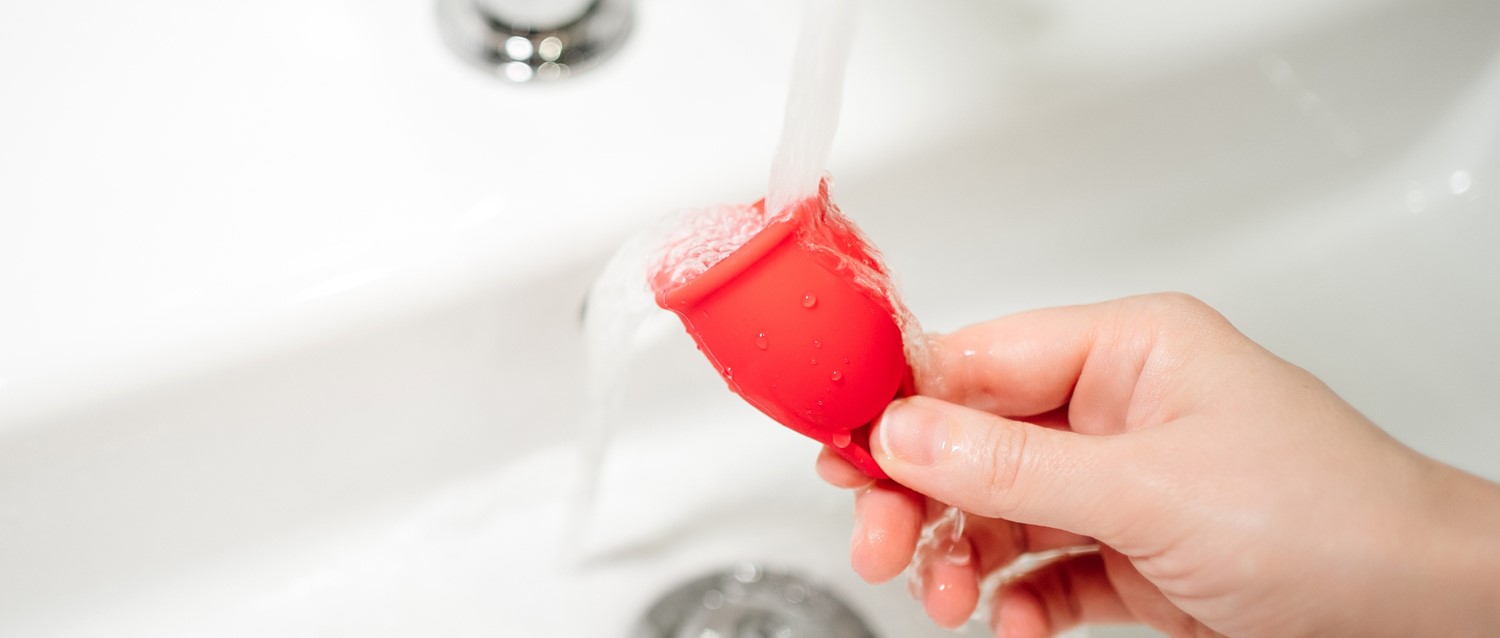
How to clean your menstrual cup
Peer reviewed by Dr Krishna Vakharia, MRCGPAuthored by Emily Jane BashforthOriginally published 26 Jun 2022
Meets Patient’s editorial guidelines
- DownloadDownload
- Share
- Language
- Discussion
- Audio Version
- Add to preferred sources on Google
Menstrual cups have increased in popularity over recent years, with many people viewing them as a more eco-friendly period product since they are reusable. However, if you are using a menstrual cup or considering using a cup for the first time, it's vital you know how to clean it to reduce the risk of infections and other health complications.
What is a menstrual cup?
Menstrual cups are an alternative to tampons, sanitary pads, and other menstrual products. A menstrual cup is a small, flexible cup that you can insert into your vagina to catch blood when you're on your period. The menstrual cup is often made out of flexible materials such as rubber or silicone and, unlike most other period products, is reusable.
Why is it important to clean your menstrual cup?
For many people, menstrual cups are a more sustainable period product compared with pads or tampons. They can even save you money in the long run. However, they aren't for everyone, and do require upkeep to ensure they remain a healthy period product option.
Like all period products, menstrual cups come with a few need-to-knows, with cleanliness being one of the most important aspects of owning and using a menstrual cup.
Women's health expert, Emilie Lavinia, explains: "As your cup comes out of its packaging, there's scope for bacteria to multiply on the surface. As soon as it makes contact with your body, there are more bacteria. Then, when you remove it and the cup makes contact with your hands and the air, there are more bacteria again."
Therefore, it's imperative to wash your menstrual cup before and after use. You also need to make sure that you wash your hands before handling it and that the storage space it is kept in is clean.
If you don't clean your menstrual cup, it will put you at risk of infections. However, infection is a rare complication of menstrual cup use; a Lancet review found no evidence that menstrual cups alone pose an increased risk of infection compared with other period products. So, if an infection does occur, it's more likely that the bacteria transfer was the cause, not the cup itself.
Cleaning your cup regularly also removes and prevents stains and odours.
How often should you clean your menstrual cup?
You should clean your cup each day once you start using it - before and after use.
There is a range of menstrual cup brands on the market but, no matter which one you choose, the guidance remains the same for all of them. You should remove and clean your cup at least every 12 hours during your period and you should sterilise it at the end of each period- so at least once per month.
How to clean your menstrual cup
Cleaning your menstrual cup at home
Firstly, remove your cup and empty any blood down the toilet.
Then, wash your cup in the sink using a gentle soap and warm water.
Lavinia recommends using a soap or wash that has the same or a similar pH level to your vagina, with the normal vaginal pH ranging between 3.8 and 5.0, which is moderately acidic.
"The vagina is self-cleaning and heavily scented or alkaline washes and soaps can disrupt your microbiome and lead to discomfort and recurring infections," she says.
When shopping for your menstrual cup wash you should look for mild soaps that are fragrance free, oil free and made from natural ingredients. Common high-street brands include Dove, Simple, Vagisil and Femfresh.
You can also use body-safe wipes to clean your menstrual cup, but hot water is best if you have access to it. If using wipes, ensure they are also fragrance free to prevent irritation.
Cleaning your menstrual cup away from home
If you're contemplating investing in a menstrual cup, a common concern is: "How do I wash it in a public bathroom?"
If you are able to, find a public toilet where the sink and toilet are in the same cubicle, then you can clean your cup with water as normal - you might want to carry your own soap with you - and reinsert it.
However, if this is not an option and you do not have access to a safe cleanser, empty the contents of the cup as normal and, before reinserting, give it a good wipe with some toilet paper.
Make sure the cup is completely clean and that you remove any bits of tissue that may get stuck.
After this, reinsert the cup and go about the rest of your day.
This option isn't safe to do all of the time, but it will work while you are out and about. In an ideal situation, you would clean your cup before you leave the house and simply remove it when you get home, but we know that often isn't possible.
Cleaning your menstrual cup while travelling
Picture the scene - you're about to enjoy a few days camping in a tent with your friends and you're really excited except, at the last minute, you get your period. This might cause you to stress since you're going to be somewhere where the water supply is not safe for cleaning insertable products.
But there is no need to panic, as you have options to ensure you can still have a hygienic and comfortable period.
It is a good idea to bring bottled water with you for rinsing your cup. You should also pack an oil-free, unscented soap, many of which come in mini sizes that are perfect for travelling.
When camping or hiking, if you have no other options, you can pour any blood down a hole in the ground, like any other waste. Then, simply rinse the cup with your bottled water and wipe it with a tissue before reinserting.
It is also recommended to take some sort of storage pouch if you aren't going to need your cup for the whole trip. This allows it to remain clean while not in use. When not in use you should be extra careful of the cup becoming contaminated with bacteria or dirt from the outdoors.
Ultimately, if you are going on a trip with friends or loved ones, don't be ashamed to tell someone about your worries. They might have tips to offer or be able to shield you while cleaning your cup. Don't let a period prevent you enjoying your trip.
What products are best to deep clean your menstrual cup?
Lavinia says that, if your cup is dishwasher safe, you can run it through the dishwasher at the end of your period for a deep clean.
Alternatively, let it soak in boiling water and apple cider vinegar. You can buy cup cleaners that are made especially for microwave use. There are also other products available, such as sterilising units that use UV to eradicate germs. While these are not a necessity, they can ensure anything insertable gets a thorough clean and is safe to use.
Patient picks for Periods and period problems
Women's health
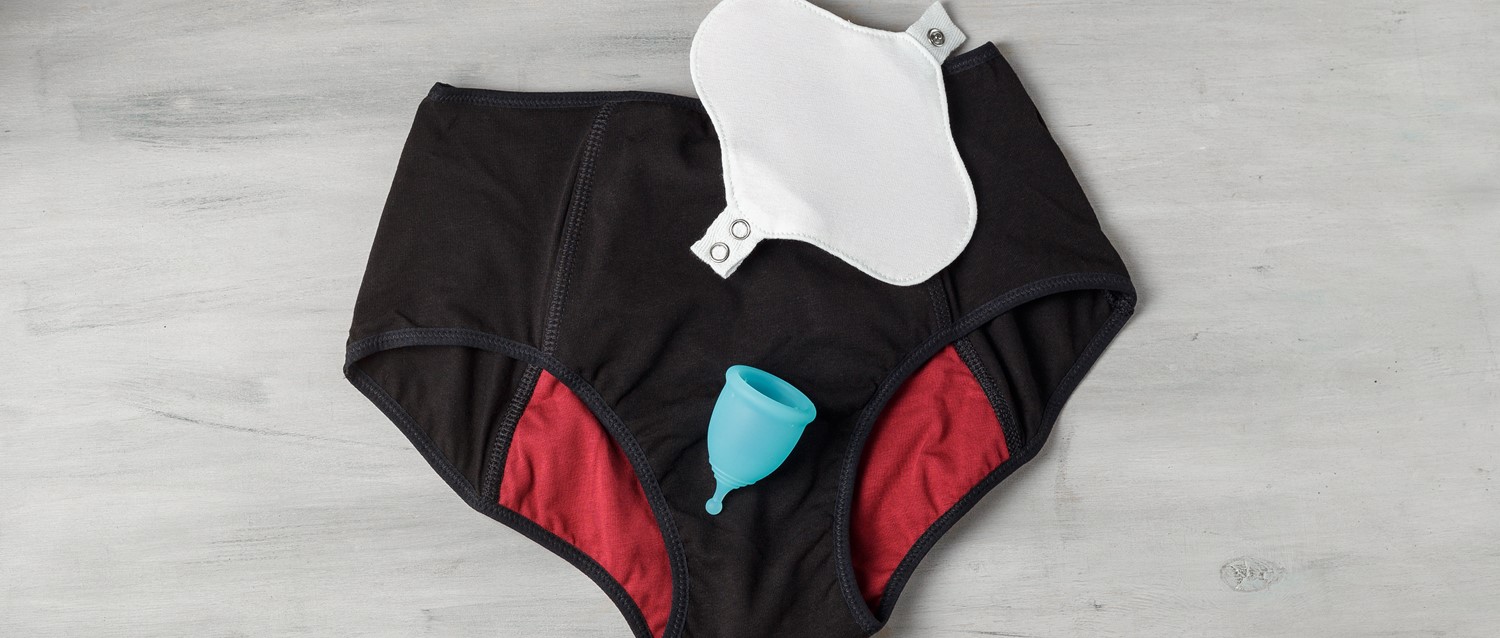
How to have a more eco-friendly period
Single use menstrual products (such as tampons, applicators and pads), generate up to 200,000 tonnes of waste per year, as most period pads are made from 90% plastic. This is having a detrimental impact on the environment. In this article we explore how you can have a more sustainable period and do your bit for the planet while still practising self-care.
by Emily Jane Bashforth
Women's health
Are period blood clots normal?
Ever wondered what those icky-sticky, thick clumps of blood in your period are? They're known as menstrual clots, or period blood clots, and they're formed from a mixture of blood cells, tissue from the lining of the womb, and proteins from your blood.
by Sarah Graham
About the authorView full bio
Authored by

Emily Jane Bashforth
Feature Writer
NCTJ
Emily is a Feature Writer with Patient, writing articles on a variety of topics relating to health and well-being.
About the reviewerView full bio

Dr Krishna Vakharia, MRCGP
Chief Medical Officer for Health, Optum UK
MBChB, MRCGP(2013), BMedSci (hons), DFSRH, DRCOG, PGDipDerm (Distn)
Dr Krishna Vakharia is an NHS GP. She is also a regular examiner for the postgraduate Diploma in Practical Dermatology at Cardiff University as well as being the Chief Medical Officer for health at Optum UK.
Article history
Article also available in English, German, Spanish, French, Italian, Portuguese, Hindi, Hebrew, Arabic, and Swedish.
26 Jun 2022 | Originally published
Authored by:
Emily Jane BashforthPeer reviewed by
Dr Krishna Vakharia, MRCGP
Join the conversation
Share your thoughts or experiences with others in our patient communities.

Ask, share, connect.
Browse discussions, ask questions, and share experiences across hundreds of health topics.

Feeling unwell?
Assess your symptoms online for free
Sign up to the Patient newsletter
Your weekly dose of clear, trustworthy health advice - written to help you feel informed, confident and in control.
By subscribing you accept our Privacy Policy. You can unsubscribe at any time. We never sell your data.