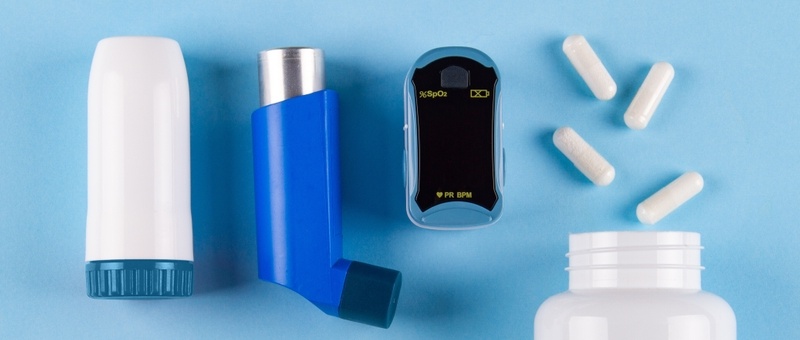
Posso prendere antistaminici con l'asma?
Guida alle interazioni farmacologiche
Pubblicato originariamente 30 Apr 2026
Rispetta le linee guida editoriali
- ScaricaScarica
- Condividi
- Language
- Discussione
- Ask Patient
- Versione audio
- Aggiungi alle fonti preferite su Google
While antihistamines are generally safe for people with asthma, older 'sedating' antihistamines (like chlorphenamine) can occasionally make asthma symptoms harder to manage by drying out the airways. Additionally, some people with asthma may have a higher risk of allergic reactions to certain ingredients in liquid medications.
Perché succede
Older, first-generation antihistamines (like clorfenamina) have 'anticholinergic' effects. This means they can reduce the amount of mucus in the airways, making the remaining mucus thicker and harder to cough up. This can potentially irritate the lungs or make a cough feel more 'tight'. Modern, non-drowsy antihistamines (like cetirizine or loratadine) have very little of this effect.
Cosa dovresti fare
If you have asthma, it is usually best to choose a modern, non-drowsy antihistamine (such as cetirizina, loratadina, o fexofenadina) rather than older, sedating ones. Always keep your blue 'reliever' inhaler with you. If you notice your chest feeling tighter or your cough becoming drier and more difficult after starting an antihistamine, stop taking it and speak to your GP or pharmacist.
Precauzioni importanti
Drowsiness and impairment
These medicines can cause severe drowsiness and significantly impair your ability to drive or operate machinery. The effect is greatly increased if you drink alcohol.
Mental health changes
Montelukast can cause serious neuropsychiatric events, including agitation, sleep disturbances, depression, and suicidal thoughts. If you notice any change in mood or behaviour, stop the medicine and contact a doctor immediately.
Avvertenze su cibo e bevande
Alcol
It is best to avoid or strictly limit alcohol when taking antihistamines. Alcohol significantly increases the sedative effects of these medicines, making you much more drowsy, dizzy, and clumsy, which increases the risk of accidents.
Fruit Juices (Grapefruit, Orange, Apple)
Do not drink grapefruit, orange, or apple juice while taking fexofenadine. These juices can significantly reduce the amount of medicine your body absorbs, making the treatment less effective. It is best to take fexofenadine with water.
Char-grilled or Flame-broiled foods
Eating large amounts of char-grilled meat can speed up how quickly your body clears these medicines, potentially making your asthma treatment less effective.
Caffeine (Coffee, Tea, Energy drinks, Cola)
You should avoid or strictly limit drinks containing caffeine. Caffeine is chemically similar to theophylline and aminophylline and can increase the risk of side effects such as heart palpitations, tremors, anxiety, and difficulty sleeping.
High-protein or High-carbohydrate meals
Significant changes to your diet (such as starting a very high-protein or very high-carbohydrate diet) can change how your body processes theophylline and aminophylline. Consult your doctor before making major dietary changes.
Uso di altri medicinali
Prendendo più farmaci? Il nostro Controllo Interazioni Farmaci ti aiuta a verificare se le tue prescrizioni, i farmaci da banco e gli integratori sono sicuri da assumere insieme. Basta cercare i tuoi farmaci per vedere le potenziali interazioni e cosa fare al riguardo.
Scelte del paziente per Interazioni farmacologiche
Verificatore di interazioni farmacologiche
Posso prendere Metformina e Ibuprofene insieme?
Assumere ibuprofene mentre si è in trattamento con metformina può aumentare il rischio di problemi renali e di una condizione rara ma grave chiamata acidosi lattica. L'ibuprofene può anche far sì che la metformina rimanga nel corpo più a lungo, potenzialmente aumentando i suoi effetti collaterali.
Verificatore di interazioni farmacologiche
Posso prendere Lisinopril e Potassio insieme?
Assumere lisinopril e integratori di potassio insieme può causare un aumento pericoloso dei livelli di potassio nel sangue (una condizione chiamata iperkaliemia). Sebbene il tuo corpo abbia bisogno di potassio affinché il cuore e i muscoli funzionino, un eccesso può portare a gravi problemi di ritmo cardiaco o persino causare l'arresto del cuore. I sintomi di un alto livello di potassio possono includere debolezza muscolare, sensazioni di formicolio o palpitazioni, ma spesso non ci sono sintomi fino a quando il livello non è molto alto.
Condividi i tuoi pensieri o esperienze con gli altri nel nostro comunità di pazienti.
Accesso semplice a trattamenti affidabili e servizi sanitari online.
Common conditions
Get help with common conditions through the NHS, without a GP appointment.
 Sinusite acuta
 Tonsillite batterica
 Impetigine
 Punture di insetti
 Fuoco di Sant'AntonioInfezioni delle vie urinarie (IVU)
Iscriviti alla newsletter di Patient
La tua dose settimanale di consigli sulla salute chiari e affidabili - scritti per aiutarti a sentirti informato, sicuro e in controllo.
Abbonandoti accetti i nostri Informativa sulla Privacy. Puoi annullare l'iscrizione in qualsiasi momento. Non vendiamo mai i tuoi dati.