Elettrocardiogramma ambulatoriale
ECG
Revisione paritaria di Dr Colin Tidy, MRCGPUltimo aggiornamento di Dr Toni Hazell, FRCGPUltimo aggiornamento 22 Nov 2022
Rispetta le linee guida editoriali
- ScaricaScarica
- Condividi
- Language
- Discussione
- Ask Patient
- Versione audio
- Aggiungi alle fonti preferite su Google
L'elettrocardiogramma ambulatoriale monitora il tuo cuore mentre svolgi le tue normali attività. Aiuta a rilevare frequenze cardiache e ritmi anomali (aritmie).
Le disposizioni e il modo in cui vengono eseguiti i test possono variare tra i diversi ospedali. Segui sempre le istruzioni fornite dal tuo medico o dall'ospedale locale.
A colpo d'occhio
An ambulatory ECG records your heart's electrical activity during normal daily activities.
Small electrodes are put on your chest and connected to a portable recorder you wear.
This test can help find abnormal heart rates or rhythms, especially if they come and go.
You will keep a diary of any symptoms you have during the test.
Do not get the recorder wet, so avoid baths and showers while wearing it.
Your doctor or consultant will discuss the results with you after the test.
Scelte video per Esami cardiaciVideo library
Cosa mostra un test ECG?
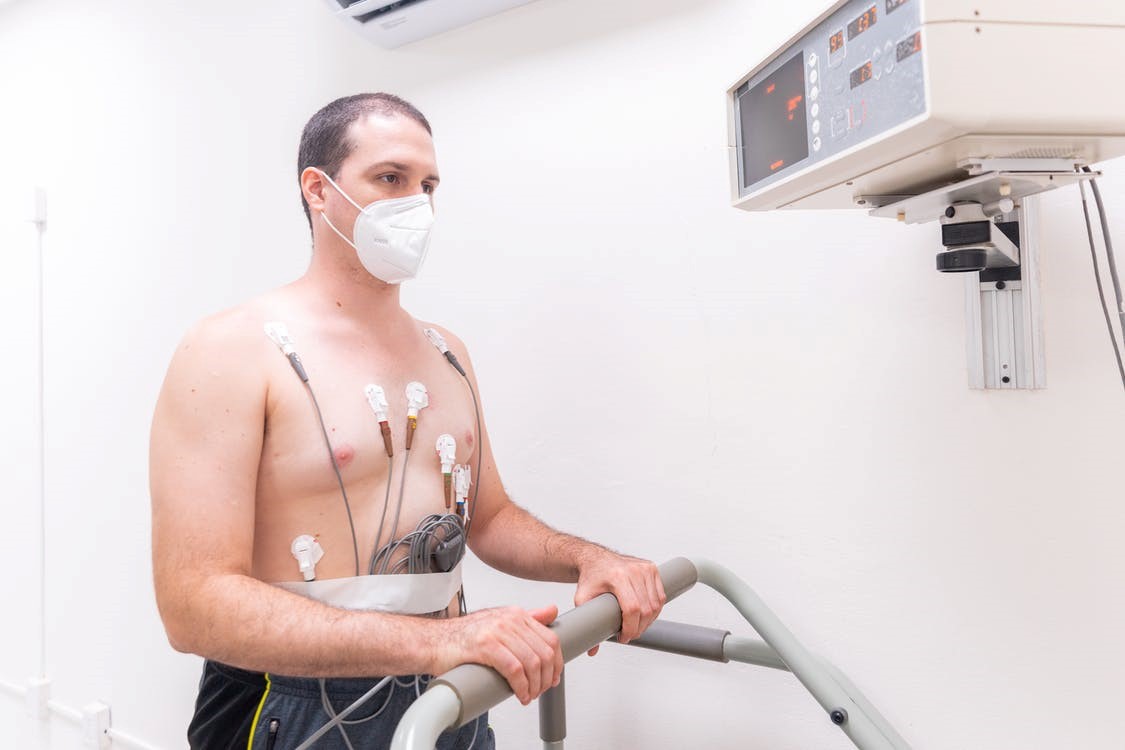
L test ECG records the electrical activity of your heart when you are walking about (ambulatory) and doing your normal activities. Small metal electrodes are stuck on to your chest. Wires from the electrodes are connected to a small lightweight recorder (often called a Holter monitor). The recorder is attached to a belt which you wear around your waist. (It is like wearing an mp3 player.) The electrical activity is usually recorded for 24-48 hours, but sometimes it may be arranged for longer.
Cosa rivela un test ECG su una persona?
It shows the electrical activity of the heart and how this varies during the day and night. Crucially, it can show whether the electrical activity varies with symptoms. Patients having an ambulatory ECG verrà chiesto di tenere un diario. Se, ad esempio, il paziente registra di avere palpitazioni tra le 14:00 e le 14:15 in un determinato giorno mentre indossa l'ECG, la traccia registrata durante quel periodo verrà esaminata con particolare attenzione per vedere se ci sono stati cambiamenti nell'attività elettrica, nella frequenza cardiaca o nel ritmo cardiaco.
Perché si esegue un elettrocardiogramma ambulatoriale?
Your doctor may advise you have this test if he or she suspects that you are having bouts of un ritmo cardiaco anormale o irregolare (aritmia). Ad esempio, se hai la sensazione di un 'cuore che batte forte' (palpitazioni) o episodi di vertigini. Alcune aritmie 'vanno e vengono' e possono durare solo pochi secondi o minuti. Potrebbero non essere mai rilevate quando sei esaminato da un medico. Quindi, il test potrebbe rilevare un'aritmia.
Come viene eseguito un test ECG?
Ci vogliono circa 10 minuti per applicare gli elettrodi e il registratore. Poi puoi continuare a fare ciò che fai normalmente nelle successive 24-48 ore. Indossi il registratore anche quando dormi a letto. (Tuttavia, non dovresti fare il bagno o la doccia, poiché il registratore non deve bagnarsi.)
Come menzionato sopra, ti verrà dato un diario per registrare i momenti in cui sviluppi qualsiasi sintomo - come la sensazione di un 'cuore che batte forte' (palpitazioni). La tracciatura ECG viene analizzata alla fine del test. Tuttavia, i momenti che registri in cui hai avuto sintomi saranno analizzati con molta attenzione per vedere se hai avuto una frequenza cardiaca o un ritmo anormale (aritmia) che giustifichi i sintomi. Un medico potrebbe chiederti di fare alcune attività che in precedenza hanno provocato sintomi, per cercare di provocare gli stessi sintomi. Se non consegni il diario quando vengono rimossi gli elettrodi, il valore del test è significativamente ridotto.
Ci sono alcune variazioni nell'attrezzatura che possono essere utilizzate:
Su alcuni registratori, si preme un pulsante per segnare l'ora ogni volta che si verificano i sintomi.
Alcuni registratori si attivano automaticamente solo se la frequenza cardiaca o il ritmo sono anomali.
Con alcuni registratori invii la traccia ECG per l'analisi tramite la linea telefonica.
Alcuni registratori vengono indossati per periodi più lunghi. Questi sono chiamati monitor 'eventi'. Registrano solo quando li accendi e indossi il monitor durante un 'evento' come un episodio di palpitazioni.
Quanto tempo ci vuole per ottenere i risultati dell'ECG?
This varies locally. Results will go back to the clinician who requested them and it is their job to communicate the result and significance to the patient. So, if your ambulatory ECG was requested by a consultant, you should not contact your GP for the result but should wait for the next consultant clinic, or ring the consultant's secretary. Ospedale consultants should fare affidamento ask patients per go per their medico di base per dello results di test that dello consultant has requested.
Scelte del paziente per Esami cardiaci

Test e indagini
Scintigrafia di perfusione miocardica
Una scintigrafia di perfusione miocardica utilizza una piccola quantità di sostanza radioattiva per verificare quanto bene il sangue fluisce ai muscoli del cuore (il miocardio). Spesso questa scansione viene eseguita dopo un esercizio leggero per vedere come risponde il muscolo cardiaco sotto stress.
di Dr Colin Tidy, MRCGP
Test e indagini
Test di tolleranza all'esercizio
An exercise tolerance test (ETT) records the electrical activity of the heart whilst exercising. It is most useful in patients who experience chest pain on exertion. It is also used to detect whether heart rhythm abnormalities can be brought on by exercise.
di Dr Philippa Vincent, MRCGP
Domande frequenti
What is an ambulatory ECG, specifically?
An ambulatory ECG is a test that records the electrical activity of your heart while you are walking about and performing your normal daily activities. It uses small electrodes attached to your chest, connected to a lightweight, portable recorder worn on a belt.
What does an ambulatory heart monitor look like?
The ambulatory heart monitor is a small, lightweight recorder attached to a belt that you wear around your waist. It's often compared to wearing an MP3 player. Small metal electrodes are stuck onto your chest, with wires connecting them to this recorder.
What kind of symptoms should I record in the diary during an ambulatory ECG test?
You should record the times when you experience any symptoms such as a 'thumping heart' (palpitations) or episodes of dizziness. The diary helps doctors specifically examine the ECG trace during these symptom periods to see if there's any change in your heart's electrical activity, rate, or rhythm.
Can I do all my normal activities while wearing the ambulatory ECG monitor?
You should continue with your normal activities over the 24-48 hours (or longer, depending on the test duration). However, you must not have a bath or shower, as the recorder should not get wet. You also wear the recorder while asleep in bed.
Are there newer types of ambulatory ECG monitors that work differently?
Yes, there are some variations. Some monitors allow you to press a button to mark when symptoms occur. Others activate automatically only if your heart rate or rhythm is abnormal. There are also 'event' monitors, which you wear for longer periods and switch on only when you experience symptoms.
Ulteriori letture e riferimenti
- Biblioteca ECG
- Linares MA, Zakaria A, Nizran P; Cancro della pelle. Cure Primarie. Dic 2015;42(4):645-59. doi: 10.1016/j.pop.2015.07.006.
Informazioni sull'autoreVisualizza il profilo completo
Aggiornato da

Dr Toni Hazell, FRCGP
MBBS, BSc, FRCGP, DFSRH, Dip GU med, DRCOG, DCH (London, UK, 2000)
La Dott.ssa Toni Hazell si è laureata presso la St. Mary’s Hospital Medical School e ha completato il suo VTS al Northwick Park Hospital.
Informazioni sul recensoreVisualizza il profilo completo

Dr Colin Tidy, MRCGP
Medico di base, Autore medico
MBBS, MRCGP, MRCP (Paediatrics), DCH
Il Dr Colin Tidy è un medico del NHS, con sede nell'Oxfordshire.
Professionisti Medici
Looking for more in-depth clinical detail? Our Professional Reference articles are written for doctors, nurses and other healthcare professionals. They include comprehensive clinical guidance, diagnostic information and UK/European evidence summaries. If you need the clinical version, you can read the Professional Reference article on this topic.
Condividi i tuoi pensieri o esperienze con gli altri nel nostro comunità di pazienti.
Accesso semplice a trattamenti affidabili e servizi sanitari online.
Common conditions
Get help with common conditions through the NHS, without a GP appointment.
 Sinusite acuta
 Tonsillite batterica
 Impetigine
 Punture di insetti
 Fuoco di Sant'AntonioInfezioni delle vie urinarie (IVU)
Iscriviti alla newsletter di Patient
La tua dose settimanale di consigli sulla salute chiari e affidabili - scritti per aiutarti a sentirti informato, sicuro e in controllo.
Abbonandoti accetti i nostri Informativa sulla Privacy. Puoi annullare l'iscrizione in qualsiasi momento. Non vendiamo mai i tuoi dati.